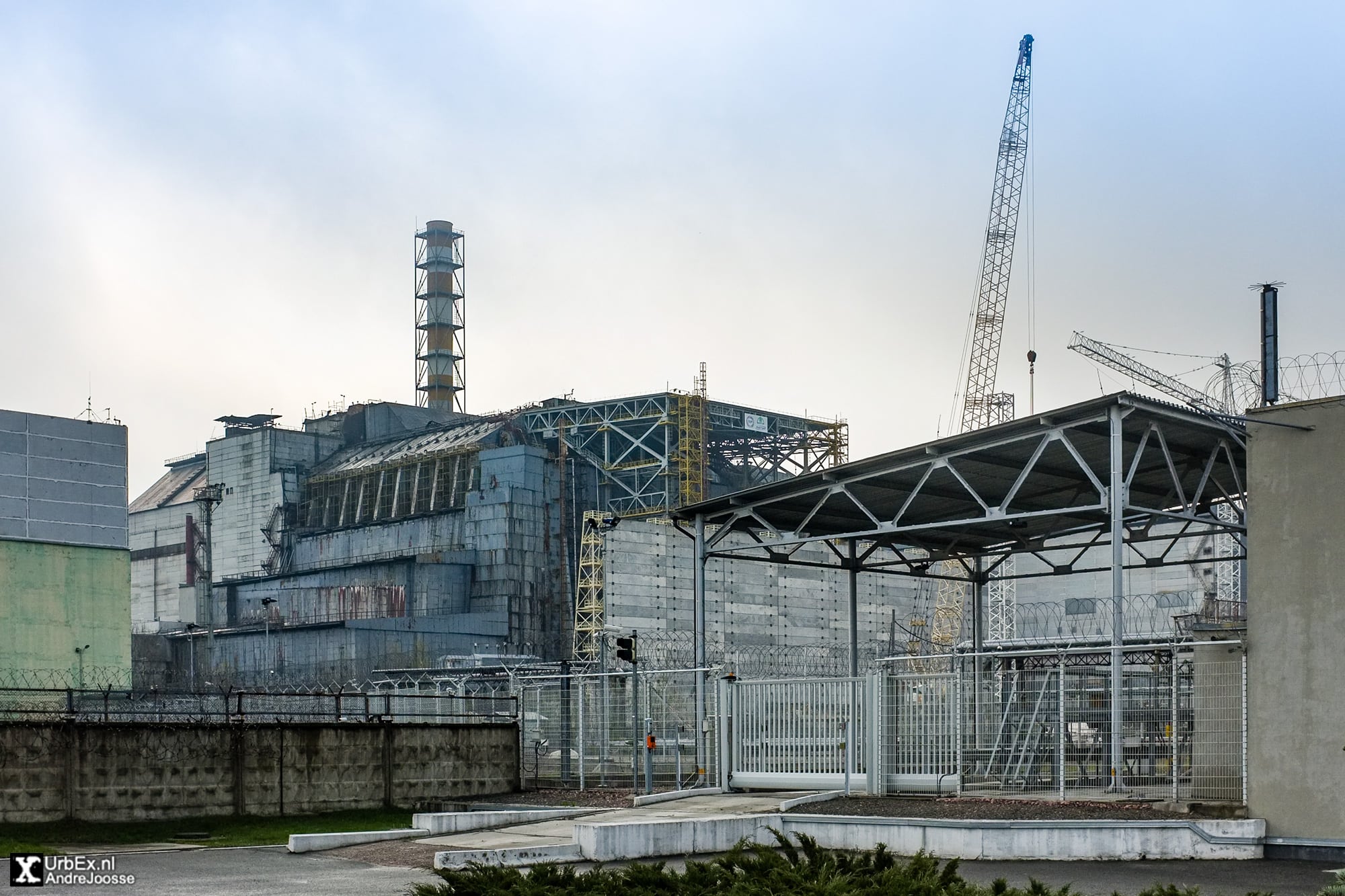
CHERNOBYL DISASTER
Авария на Чернобыльской АЭС
The Chernobyl disaster was a catastrophic nuclear accident. It occurred on 26 April 1986 at the Chernobyl Nuclear Power Plant near the town of Pripyat, in Ukraine. The country was under the direct jurisdiction of the central authorities of the Soviet Union. An explosion and fire released large quantities of radioactive particles into the atmosphere, which spread over much of the western USSR and Europe.
Safety test
The accident was the result of an unnecessary safety test. Workers at Reactor No. 4 turned off the emergency cooling system to find out if there would be enough electricity to cool the core if the reactor lost power. As a result of several factors, including a design flaw of the reactor, there was a power surge. A steam explosion, and finally a nuclear explosion that shot the reactor’s 500 ton roof and almost nine tons of toxic waste, straight up into the air.
The first eight hours after the accident, the Kremlin received misleading information. There was talk of an accident and a fire, but no word about an explosion. Radioactive levels in Pripyat were 60 thousand times higher. The technicians just thought their equipment wasn’t working properly.
Once the seriousness of the situation was known, the surroundings were evacuated and placed under military control. not much later the Chernobyl Exclusion Zone was set. More than 600 people were fatally contaminated trying to put out the radioactive fire. It wasn’t revealed until 1991 that there had been serious danger of a second explosion. If it had taken place, it would have wiped out half of Europe and made it uninhabitable for approximately 500 thousand years.
Level 7
The Chernobyl disaster was the worst nuclear power plant accident in history in terms of cost and casualties. It is one of only two classified as a level 7 event on the International Nuclear Event Scale. Seven is the maximum classification. The other level 7 was the Fukushima Daiichi nuclear disaster in 2011. The battle to contain the contamination and avert a greater catastrophe ultimately involved over 500 thousand workers and cost an estimated 18 billion rubles.
The long-term effects such as cancers are still being investigated.