Paryshiv Village
Паришів
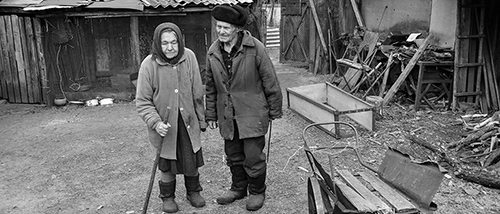
Paryshiv is a small village near Chernobyl that got abandoned after the disaster with the nuclear plant. The abandoned village is situated on the left bank of the river Pripyat, 7 km from the district center and 20 km from the railway station Yaniv.
It’s not clear when this village was established. But in 1887 the village was inhabited by 670 people. In the year 1900 the village had more than 159 houses and 924 inhabitants. There was a chapel, a school, a hospital and also two windmills. According to the archaeological excavations that were carried out in the vicinity of the village, the remains of settlements from both the Neolithic and Bronze Age. Also two Slavic settlements were found.
In the year of the disaster Paryshiv housed more than 1050 people. Eventually the people were evacuated on May 3, 1986, a week after the disaster. The village, which was one of the cleanest in the exclusion zone, was almost completely rebuild outside the Exclusion Zone. Reason for this was the distance to the other ‘clean areas’ in the district. The village was officially removed from the register in 1999.
However some residents of ‘self-settlers’ are living in the village again. In fact about seven families as of 2006. People today make ends meet with gardening, livestock, fishing, picking berries and mushrooms. There is also an active station for fire fighters during the summer, because of the high risk on forrest fires.


One of the bigger houses in Paryshiv. 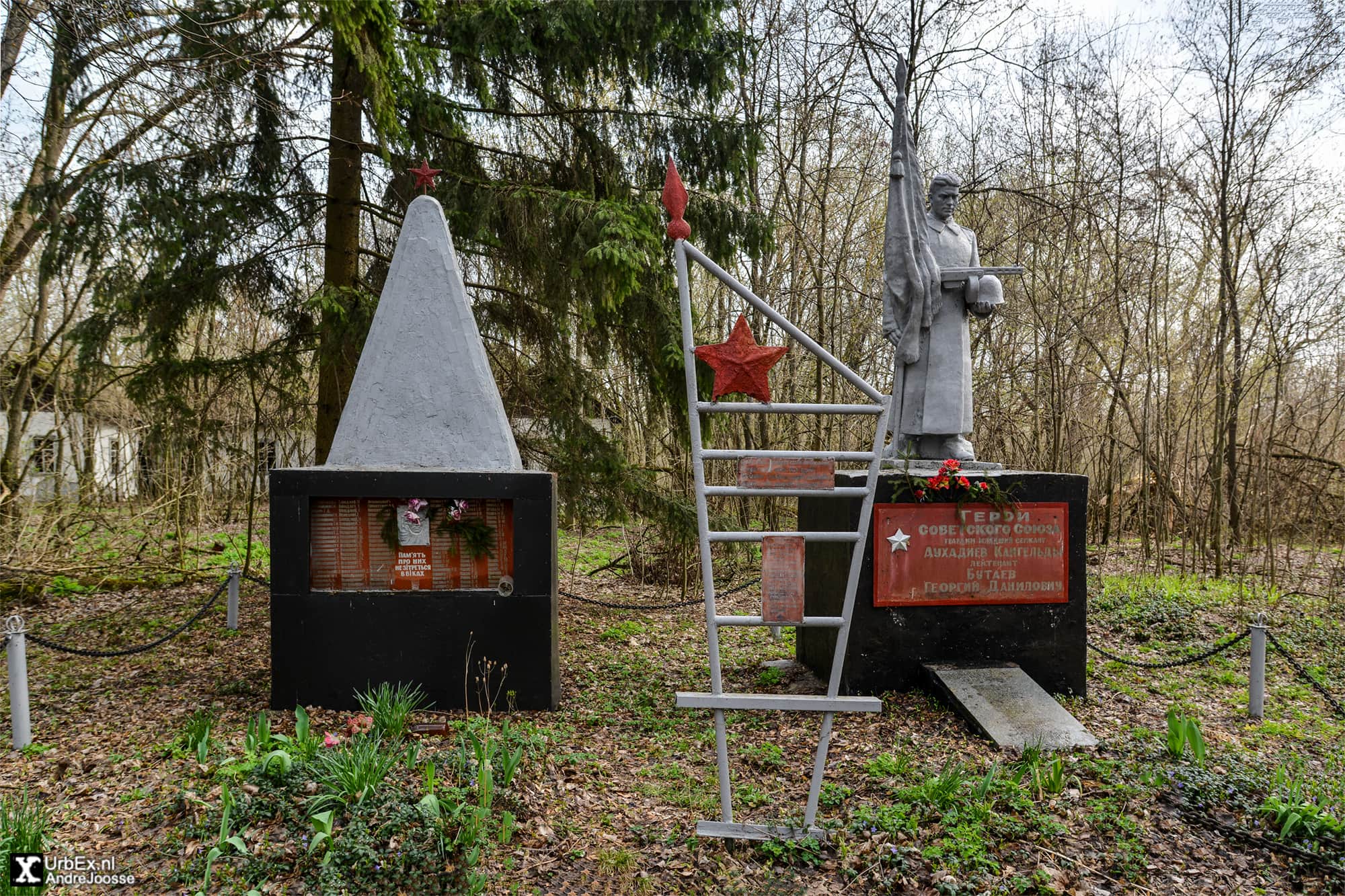

The war monument. 
The health clinic. 
Entrance to the clinic. 
Inside the derelict clinic. 
One of the houses in Paryshiv. 
Wall paper falling down in one of the houses. 
Old portrait, left in an abandoned house. 
Derelict Paryshiv. 
There was a chapel, a school, a hospital and two windmills. 
Ghosttown Paryshiv. 
Peeling paint in a derelict house. 
Inside one of the many houses. 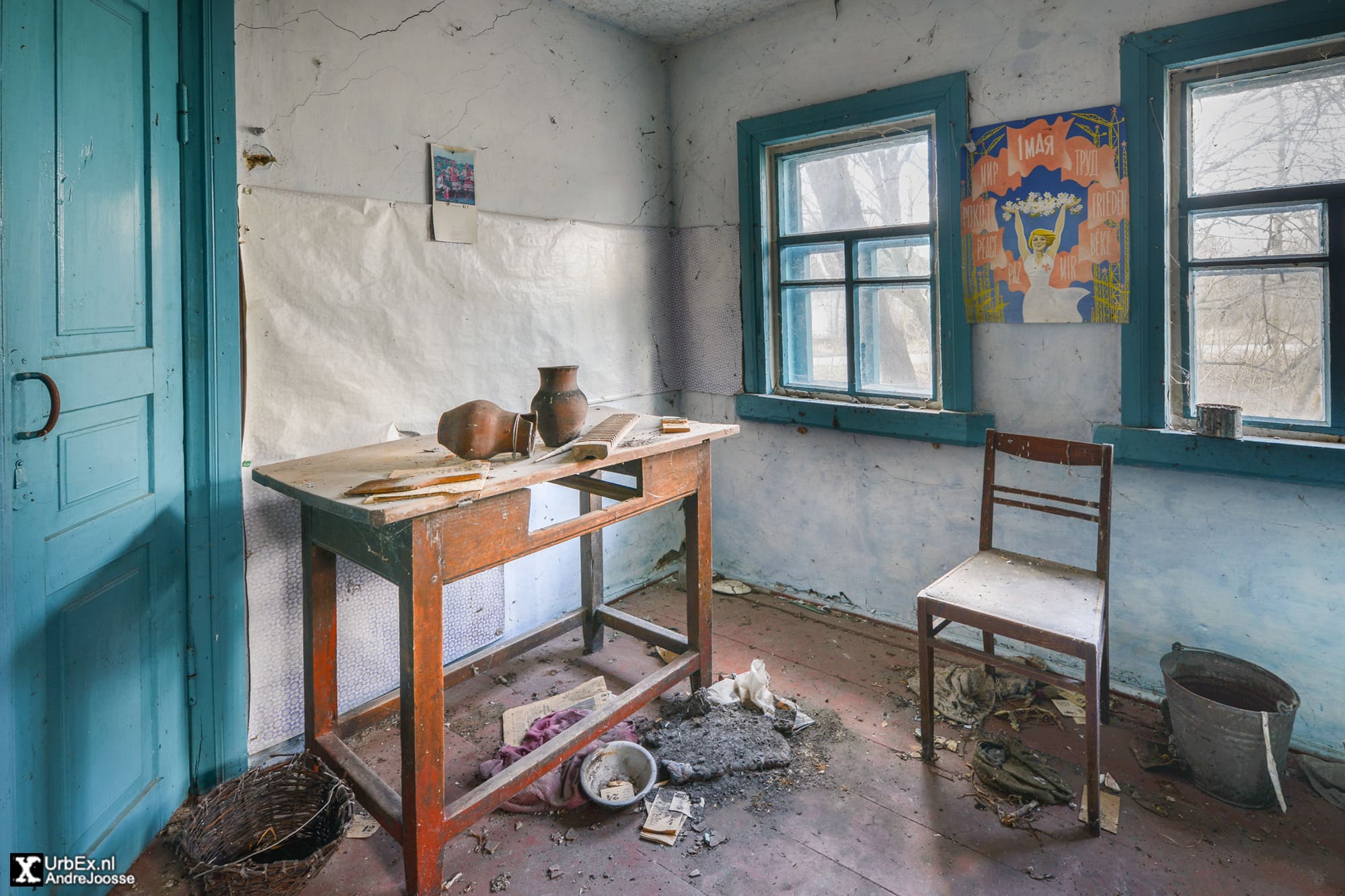
The village was evacuated a week after the disaster. 
Poster announcing the 1 May festivities. 
Abandoned house. 
Derelict living room. 
Old school building. 
Paryshiv housed more than 1050 people. 
The community center. 
The abandoned village Paryshiv. 
The kitchen of one of the homes. 
One resident forgot his wooden leg during evacuation. 

Old Soviet newspapers. 
The colors of neglect. 
Old house with a stove. 
Derelict bedroom. 
Another bedroom in a derelict house. 
An abandoned house. 
A derelict farm. 
Entrance to the ghost village.