Zamoshnya Village
Замошня
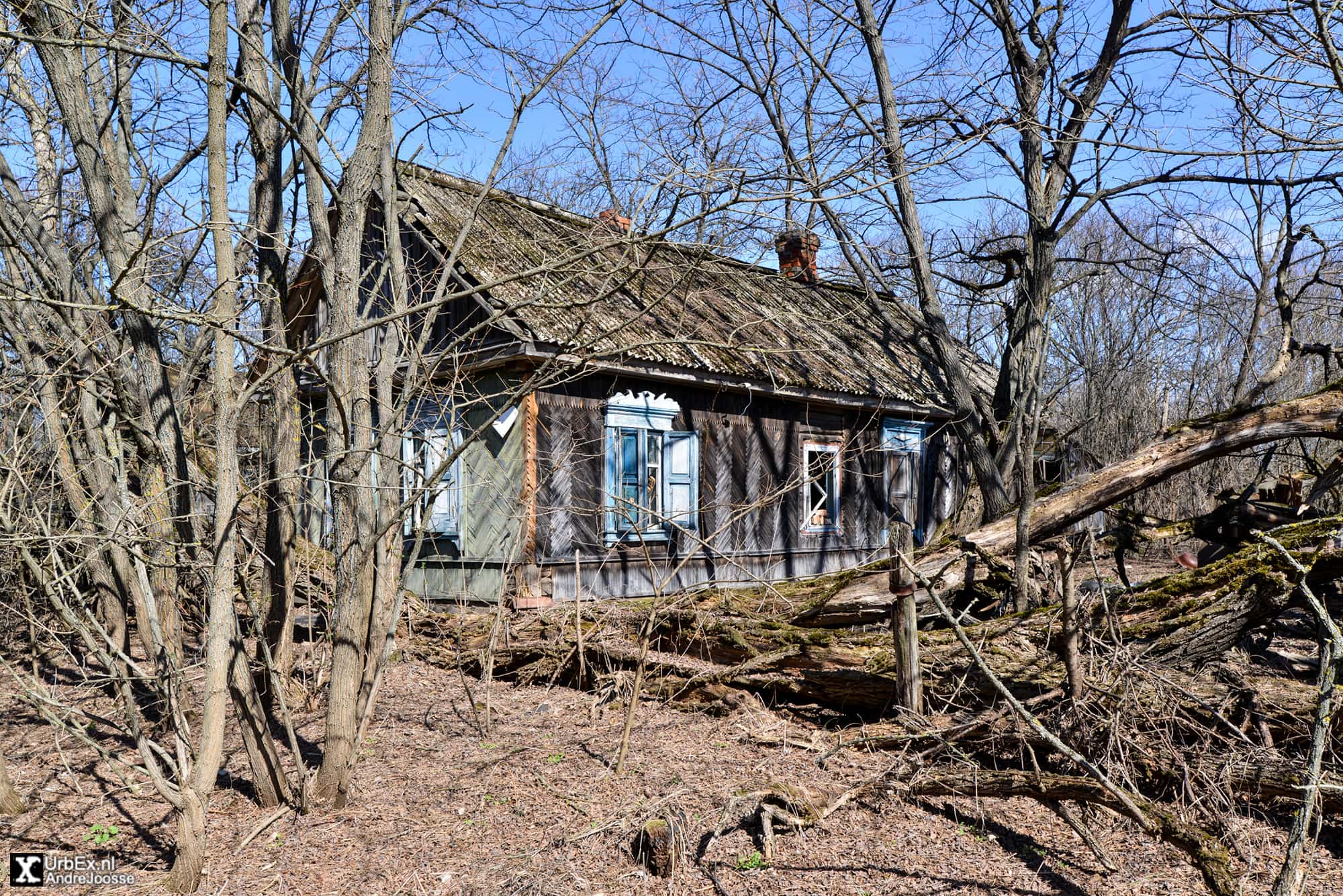
Zamoshnya is a village in the southwestern part of the Chernobyl Exclusion Zone, located on the left bank of the Uzh river. Before the accident, 240 people lived in the village.
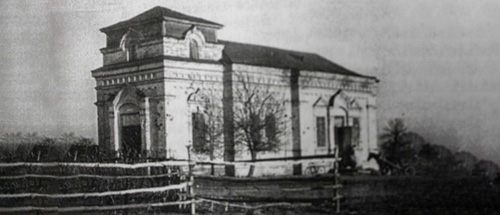
Initially, the Zamoshnaya was formed as a settlement of Old Believers from the village of Glinka, located very close by. The village split from Glinka in 1900. It housed 611 citizens. The Old Believers built a large stone church and a monastery in 1898. Under Soviet rule, the village flourished. Zamoshnya had a school, church, a theater and library.
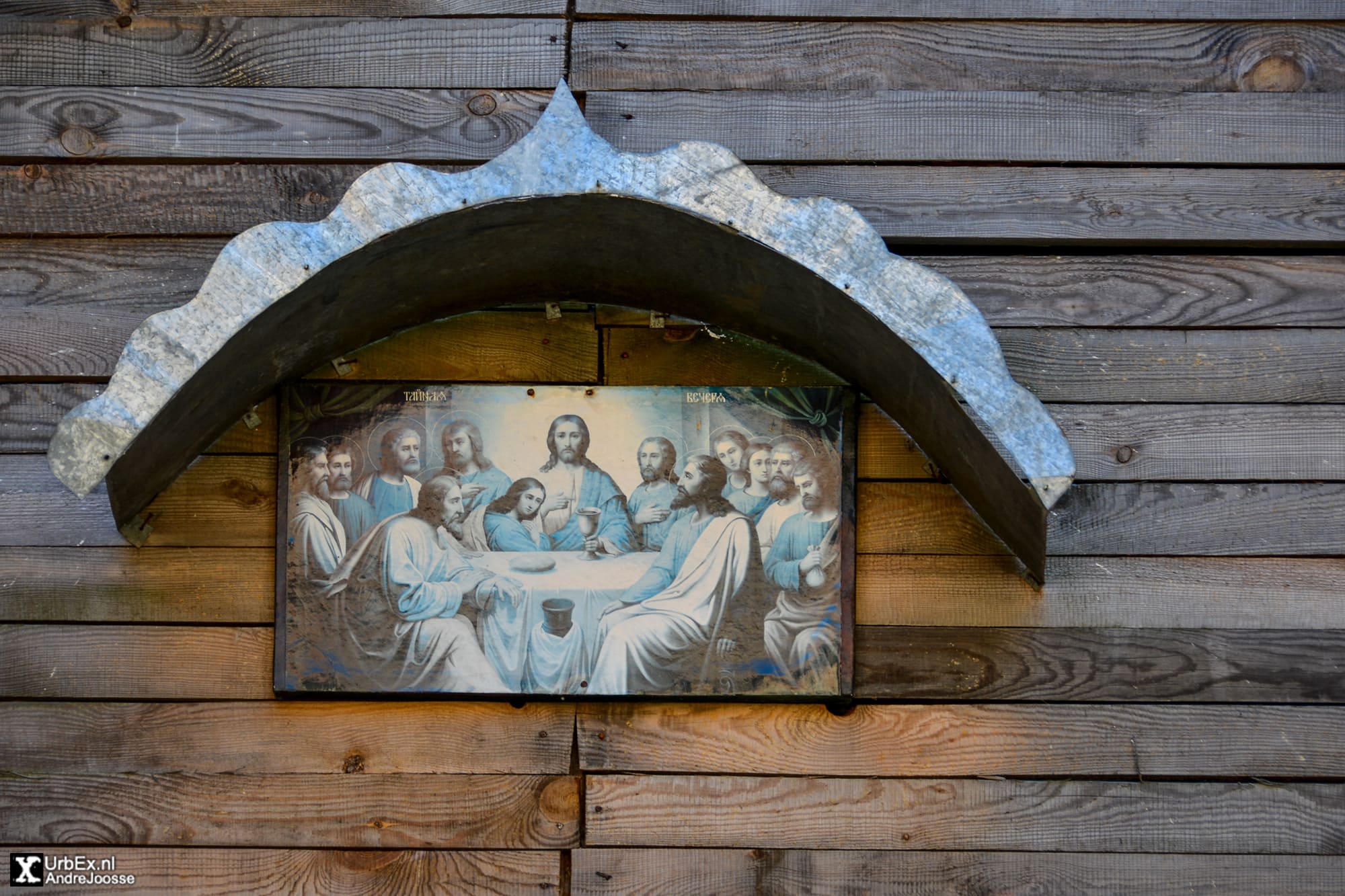
The ‘Our Lady of Kazan’ church is one of the three last standing churches in the zone. The church was abandoned in 1929, after that it was used as a warehouse. The onion domes on the roof of the church were replaced with a slates. The building has been preserved, but is in disrepair. Only the outer walls and some parts of the roof construction are still standing. In the church gardens there are the remains of the ‘Old Believers cemetery’ captured by wild trees, bushes and animals.
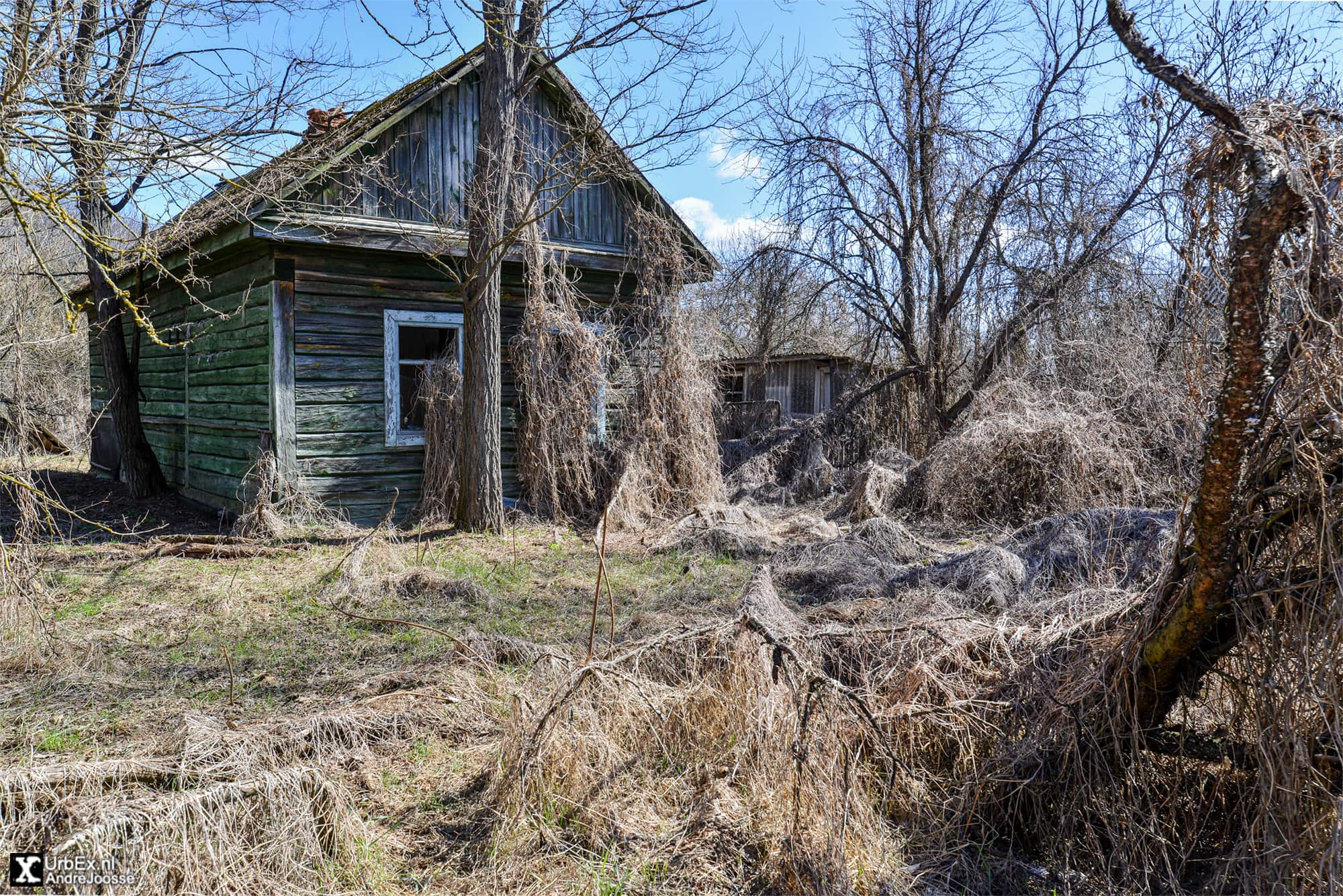
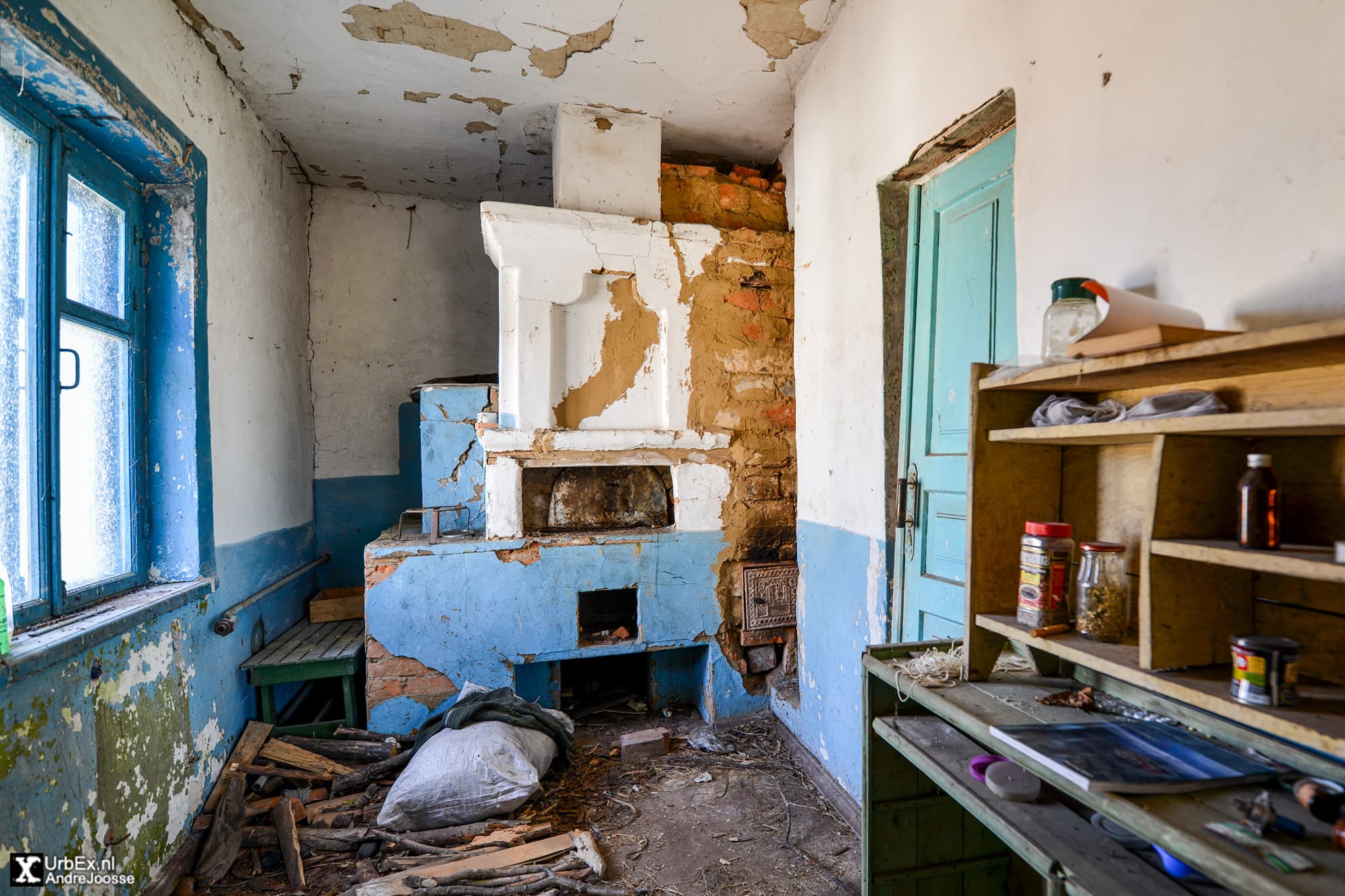
After the disaster they were evacuated to the village of Lubyaka in the Borodyansky district. The buildings were left abandoned and in 1999 the village was officially removed from the registry.





The ‘Our Lady of Kazan’ church 
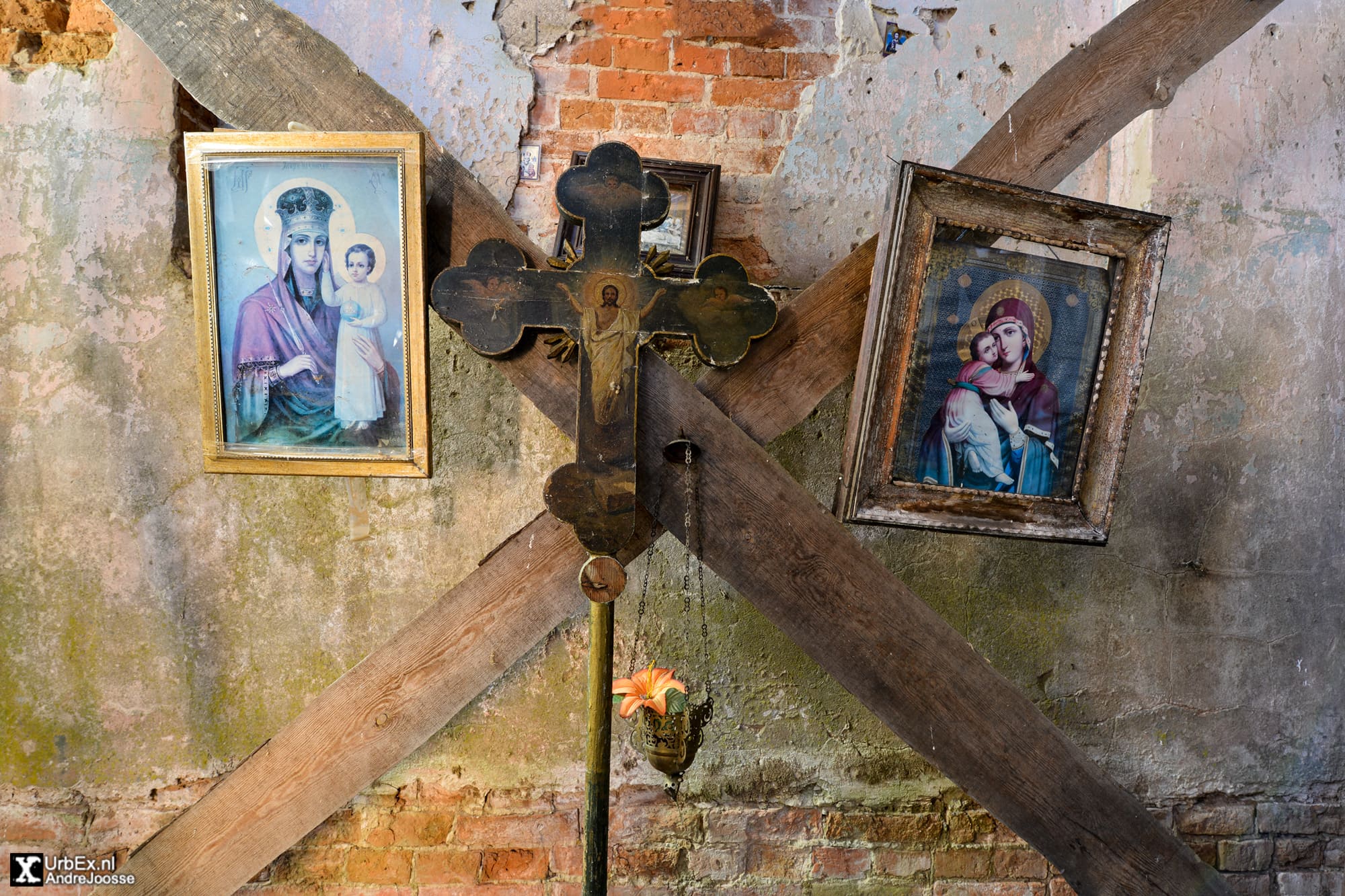
The altar 
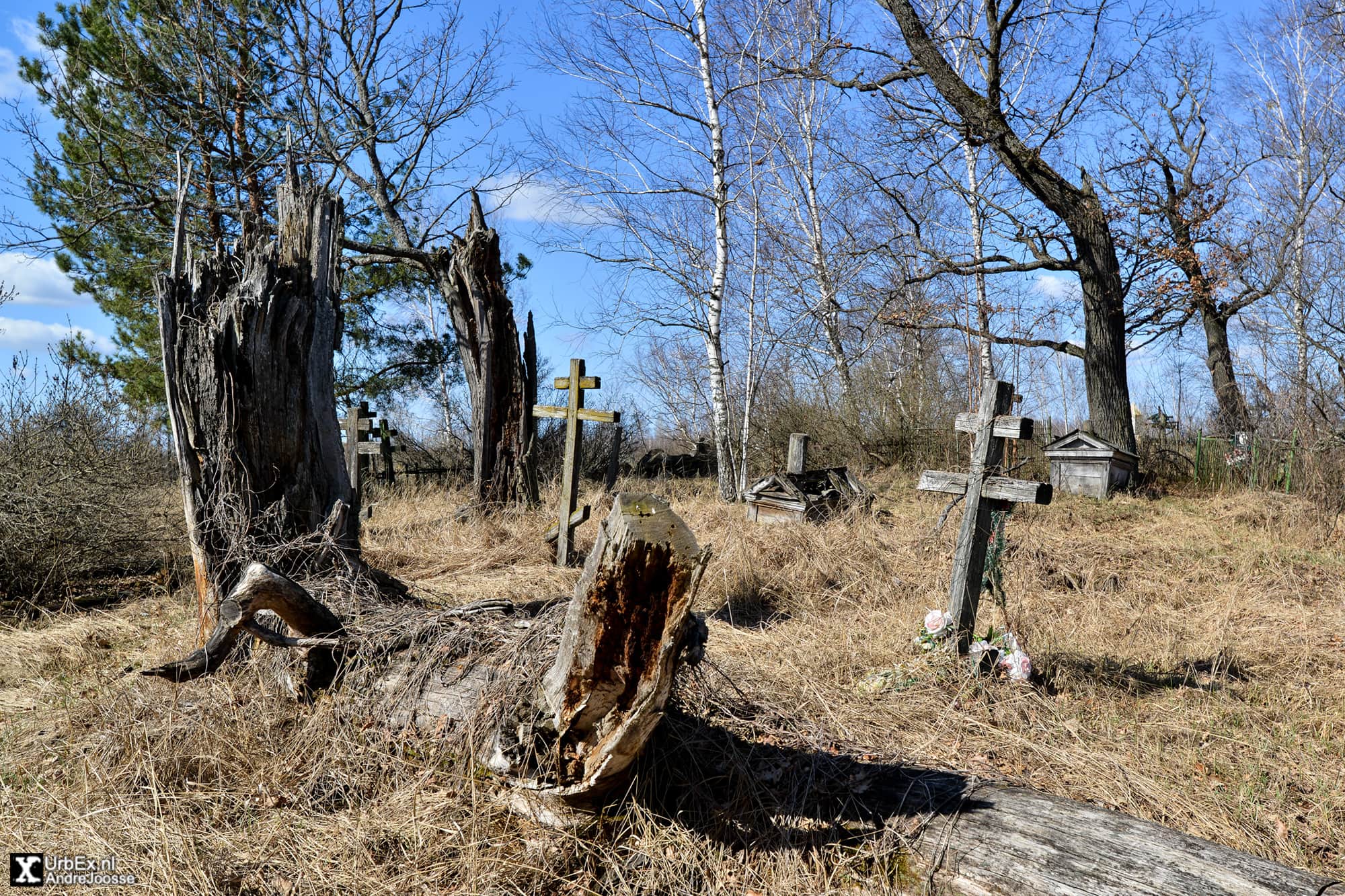
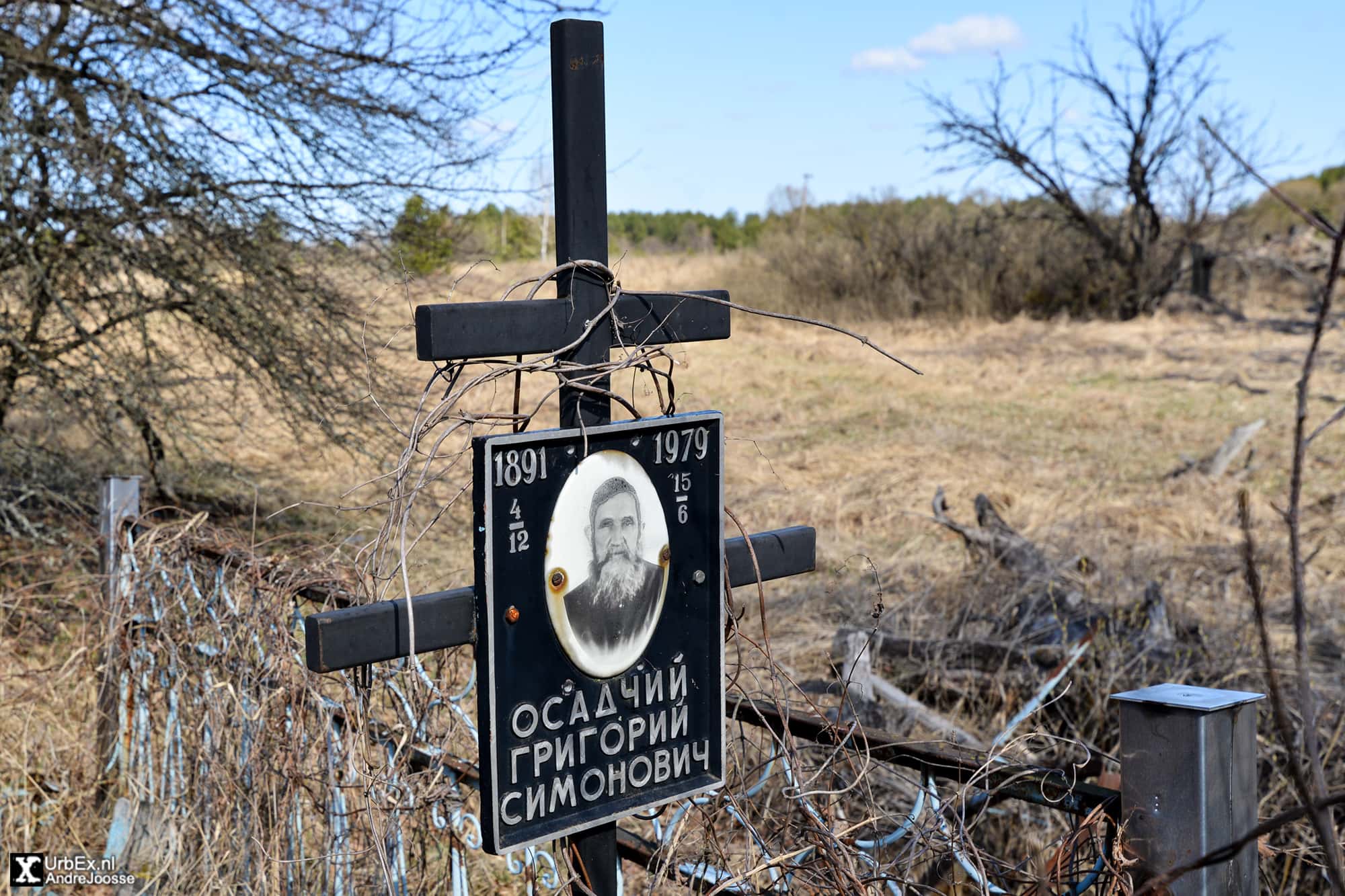
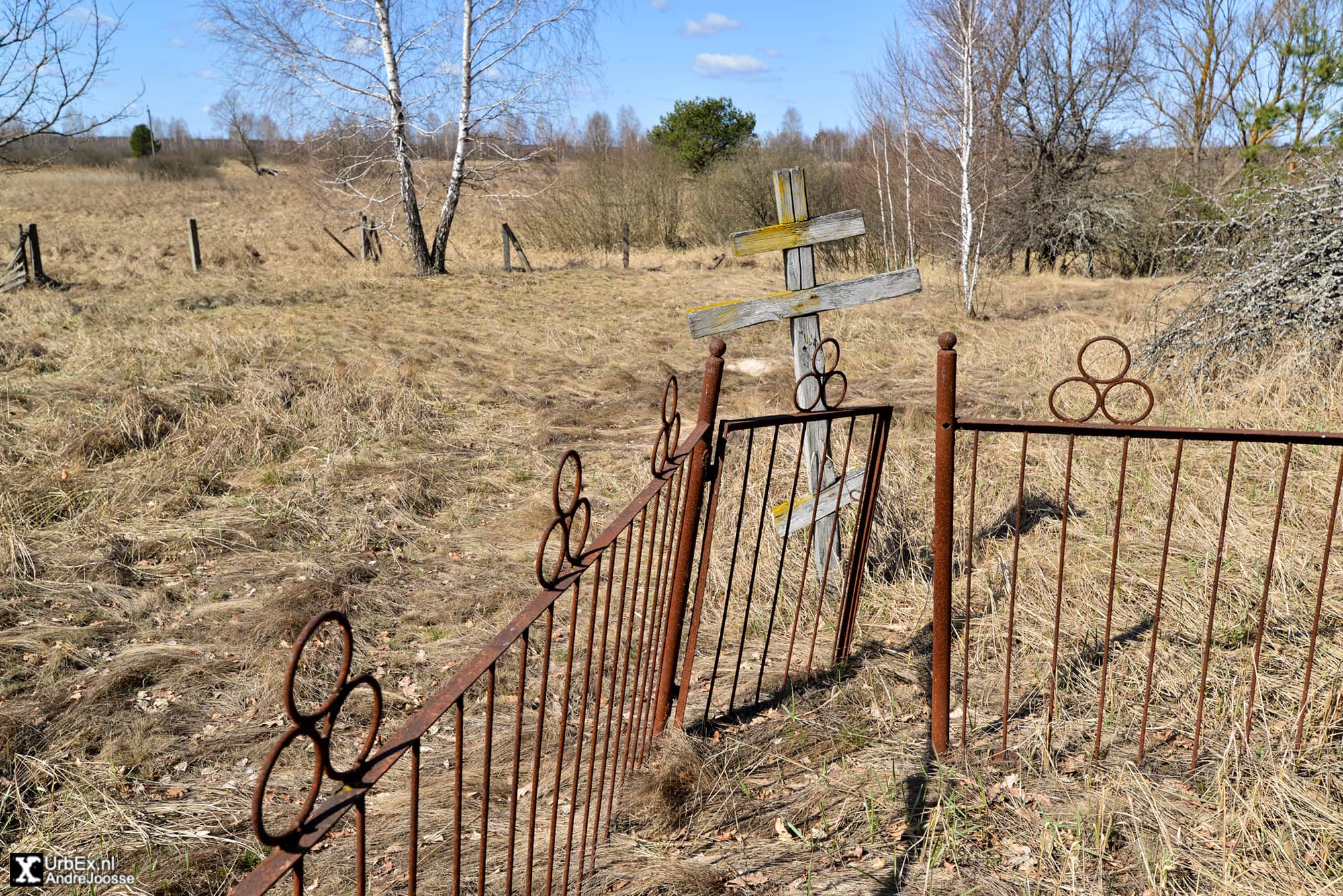
The old cemetry. 

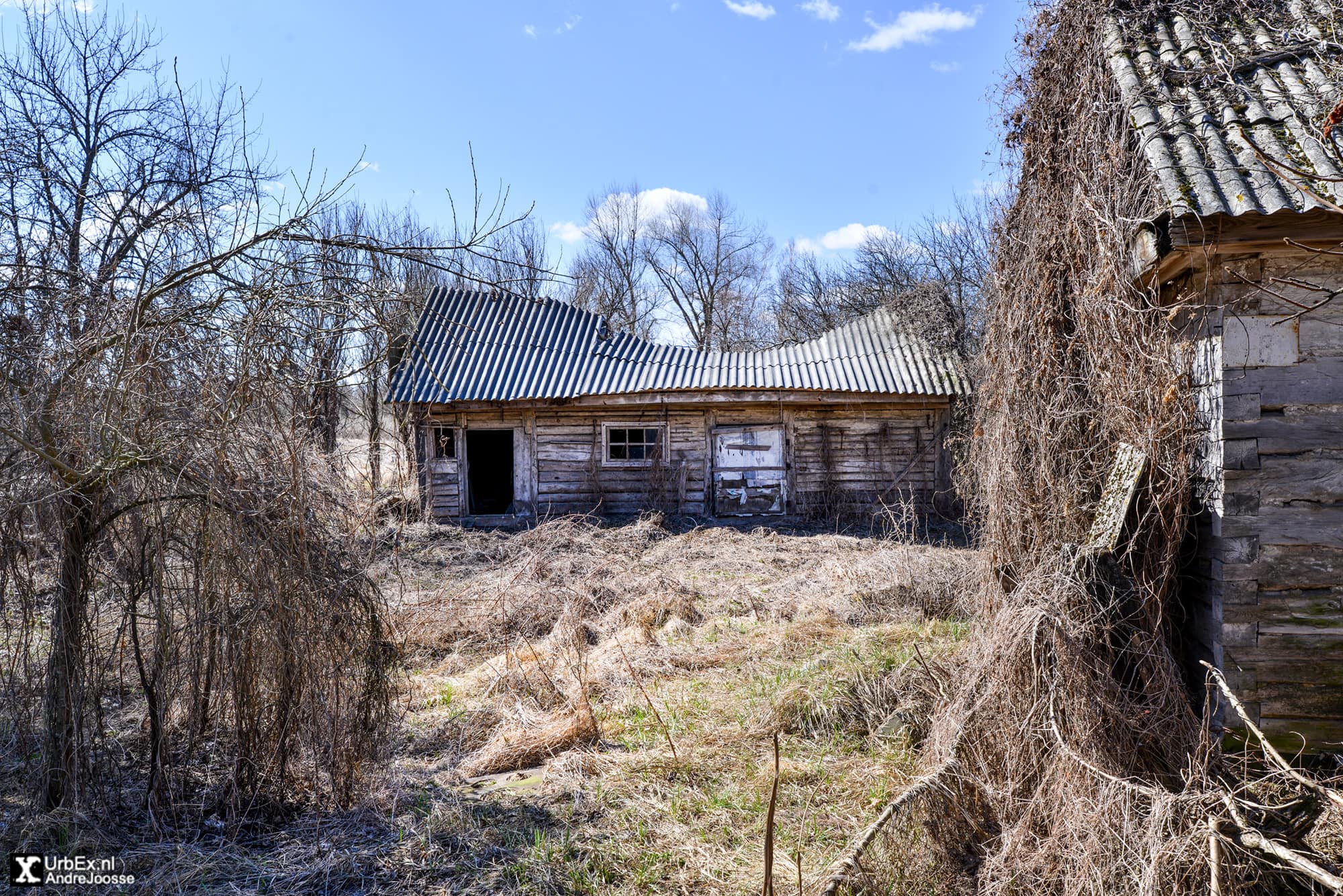
An abandoned farm. 


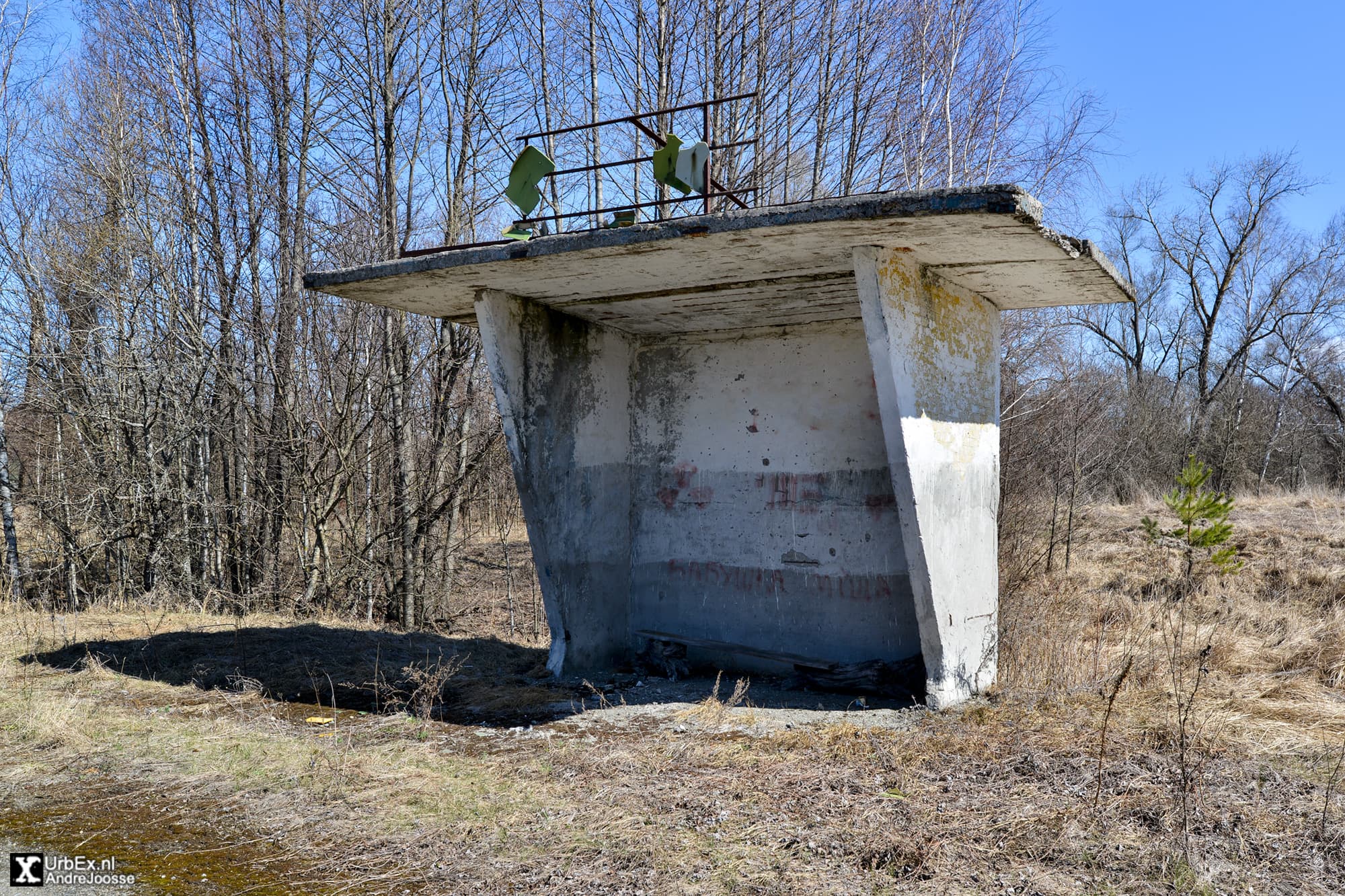
Old bus stop.