Vladimir Ilyich Lenin Nuclear Power Plant
Чернобыльская АЭС имени В. И. Ленина

The ‘Chernobyl Nuclear Power Plant’ was officially named the ‘Vladimir Ilyich Lenin Nuclear Power Plant’. It had four active plants. Reactor 4 exploded in 1986. The remaining three plants were eventually shut down by 2000.
To search for a suitable site for a nuclear power plant started in 1965 by the ‘TeploElektroProekt Institute’. The site was built 4 km from the village of Kopachi in the Chernobyl region, on the right bank of the Pripyat river, 15 km from the city of Chernobyl near the Yaniv station. The completion of the first reactor in 1977 was followed by Reactor 2 in 1978. Reactor 3 was inaugurated in 1981, and 4 in 1983. Reactor No. 4 was the site of the Chernobyl disaster in 1986.
Reactor 4
On April 26, 1986, the Chernobyl disaster occurred at reactor No. 4, caused by a catastrophic power increase resulting in core explosions and open-air fires. This caused large quantities of radioactive materials and airborne isotopes to disperse in the atmosphere and surrounding land. The disaster has been widely regarded as the worst accident in the history of nuclear power. As a result, Reactor No. 4 was completely destroyed, and therefore enclosed in a concrete and lead sarcophagus, followed more recently by a large steel confinement shelter, to prevent further escape of radioactivity. Large areas of Europe were affected by the accident. The radioactive cloud spread as far away as Norway.
After the explosion at Reactor No. 4, the remaining three reactors at the power plant continued to operate, as the Soviet Union could not afford to shut the plant down. In October 1991, reactor No. 2 caught fire, and was subsequently shut down. In November 1996, following pressure from foreign governments, reactor No. 1 was shut down. In December 2000, reactor No. 3 was shut down after operating briefly since March 1999. In April 2015, units 1 through 3 entered the decommissioning phase.
Two more reactors, 5 and 6, capable of producing 1,000 MW each, were under construction at the time of the accident. Reactor 5 and its cooling towers were about 70% complete at the time of the accident. They were scheduled to start operating on November 7, 1986. Furthermore a 6th reactor was planned in a new block of buildings scheduled to be completed in 1994.
The first construction and installation work on reactor 5 began in 1981. Construction continued throughout the night of the explosion. Construction work was soon stopped but resumed again on the 10th October 1986. Six months later on the 24 April 1987 work was once again halted and the decision was made not to complete the reactors.
After 23 years and one day of operation, on December 15, 2000, the nuclear power plant permanently stopped generating electricity. Currently, they are decommissioning the nuclear power plant and transform the destroyed fourth power unit into an environmentally friendly system.
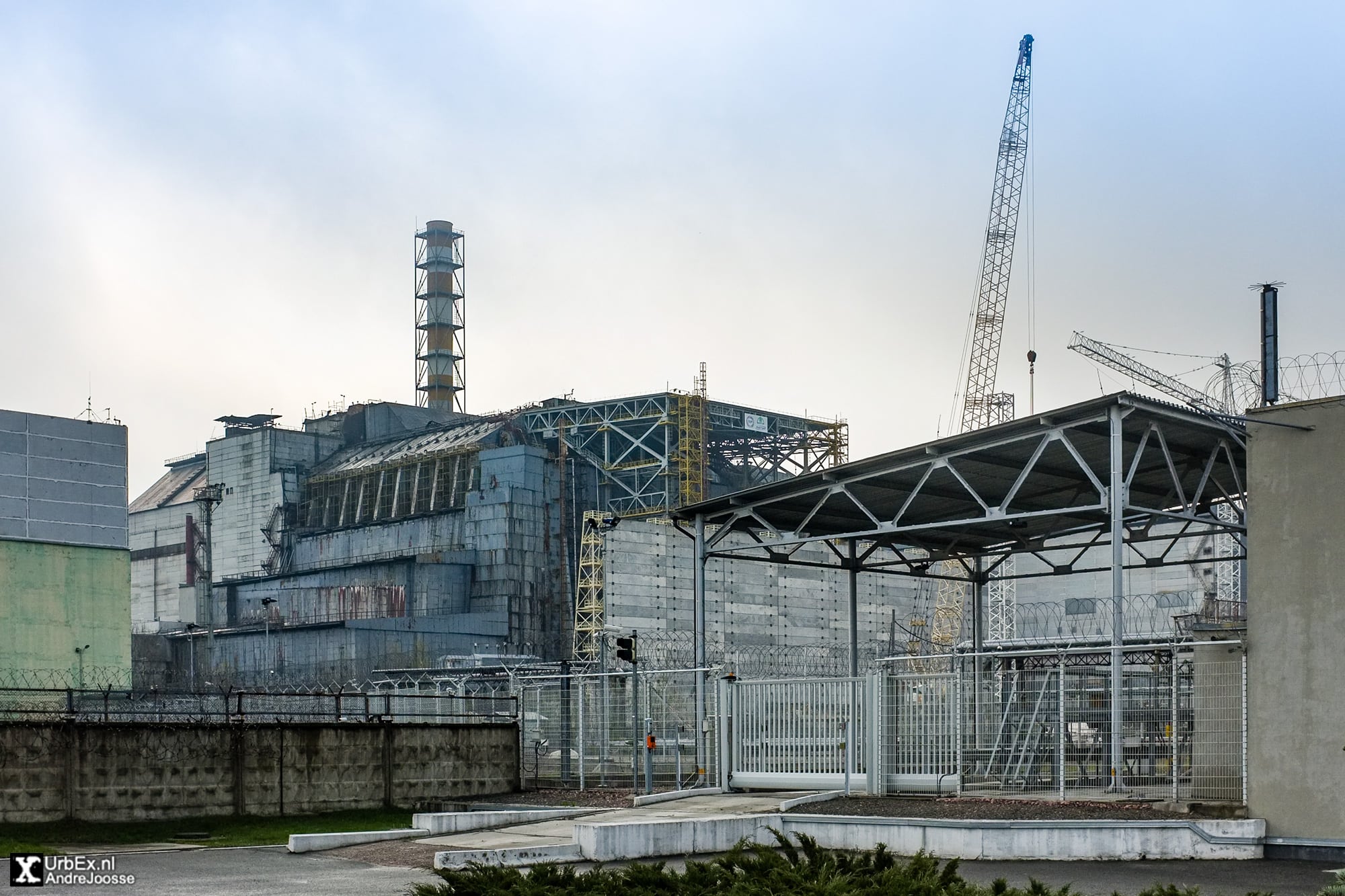

The infamous Reactor No. 4. 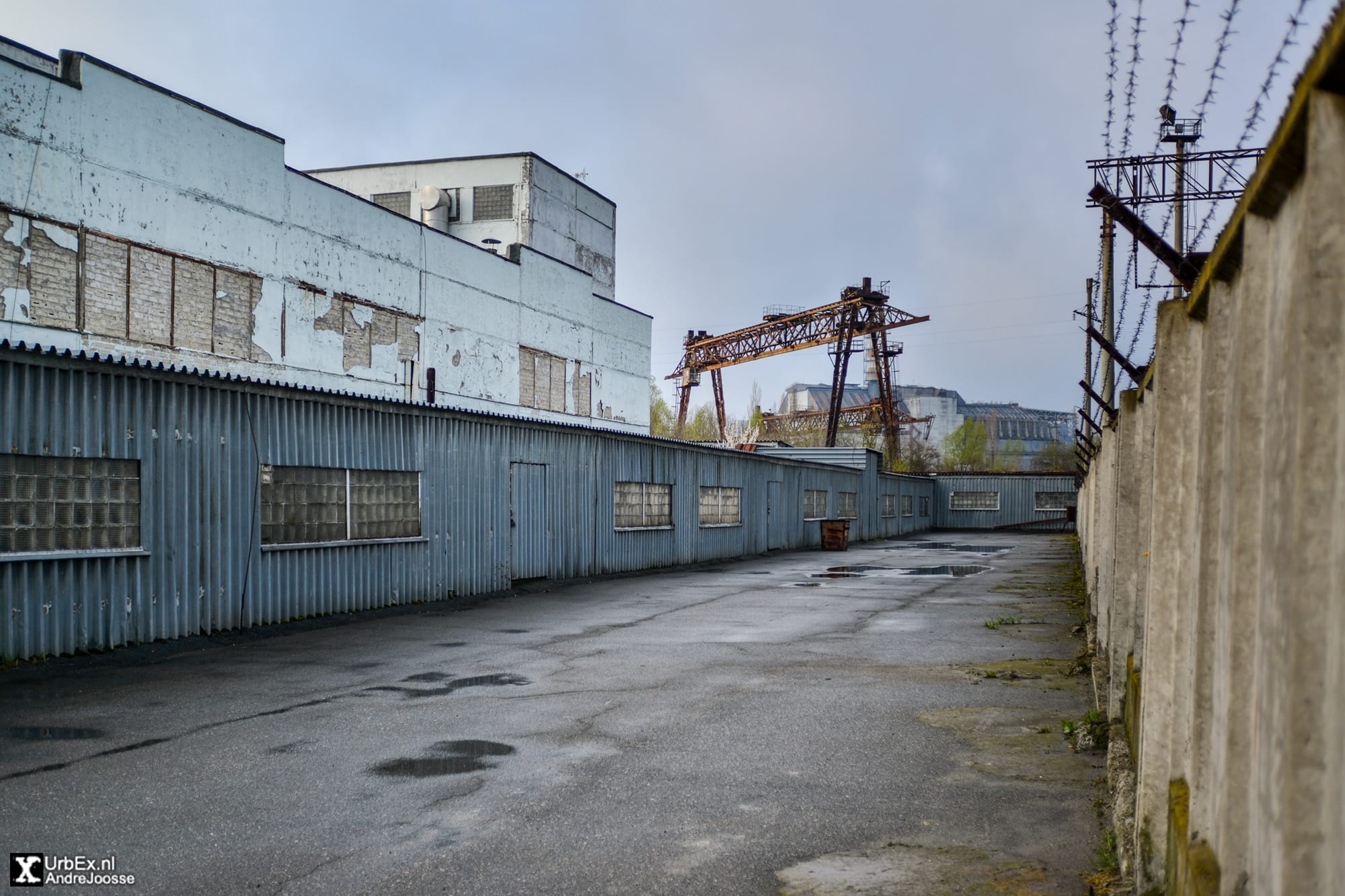
The power plant train station. 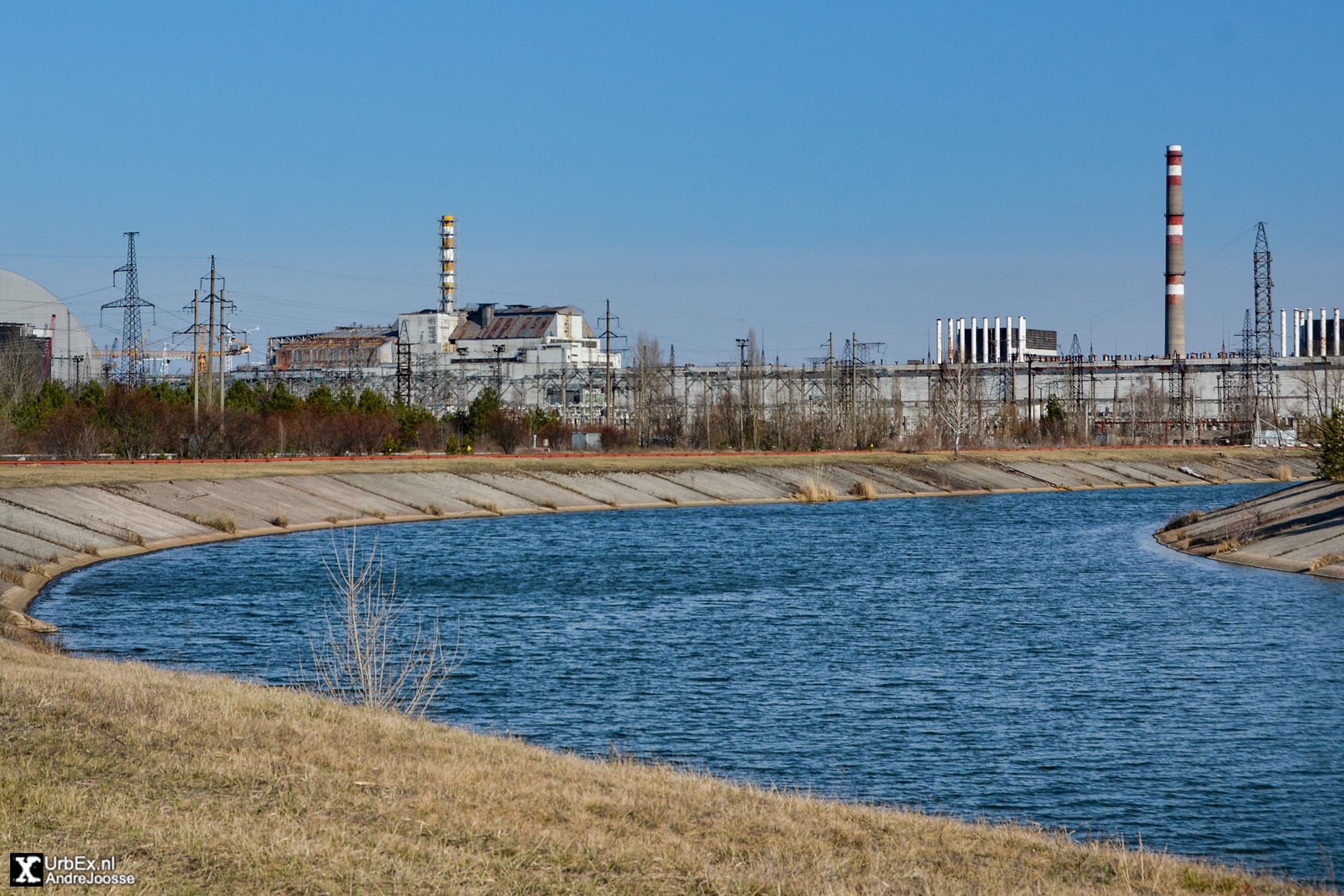

The cooling pond. 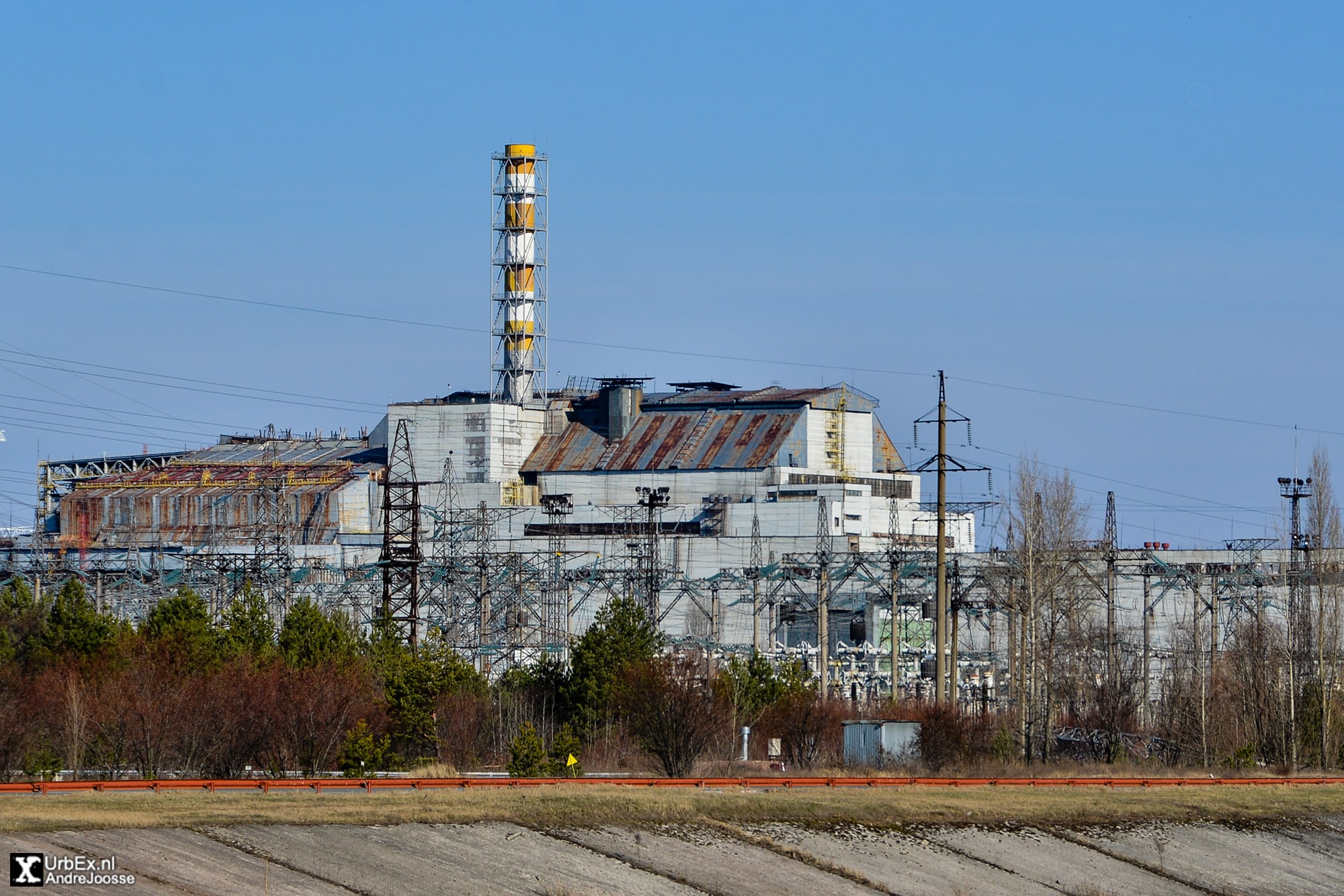
Reactor No. 4. 

Reactor No. 5. 
The road to Reactor No. 5. 
Entrance sign at Reactor No. 5. 
Inside Reactor No. 5. 
Inside Reactor No. 5. 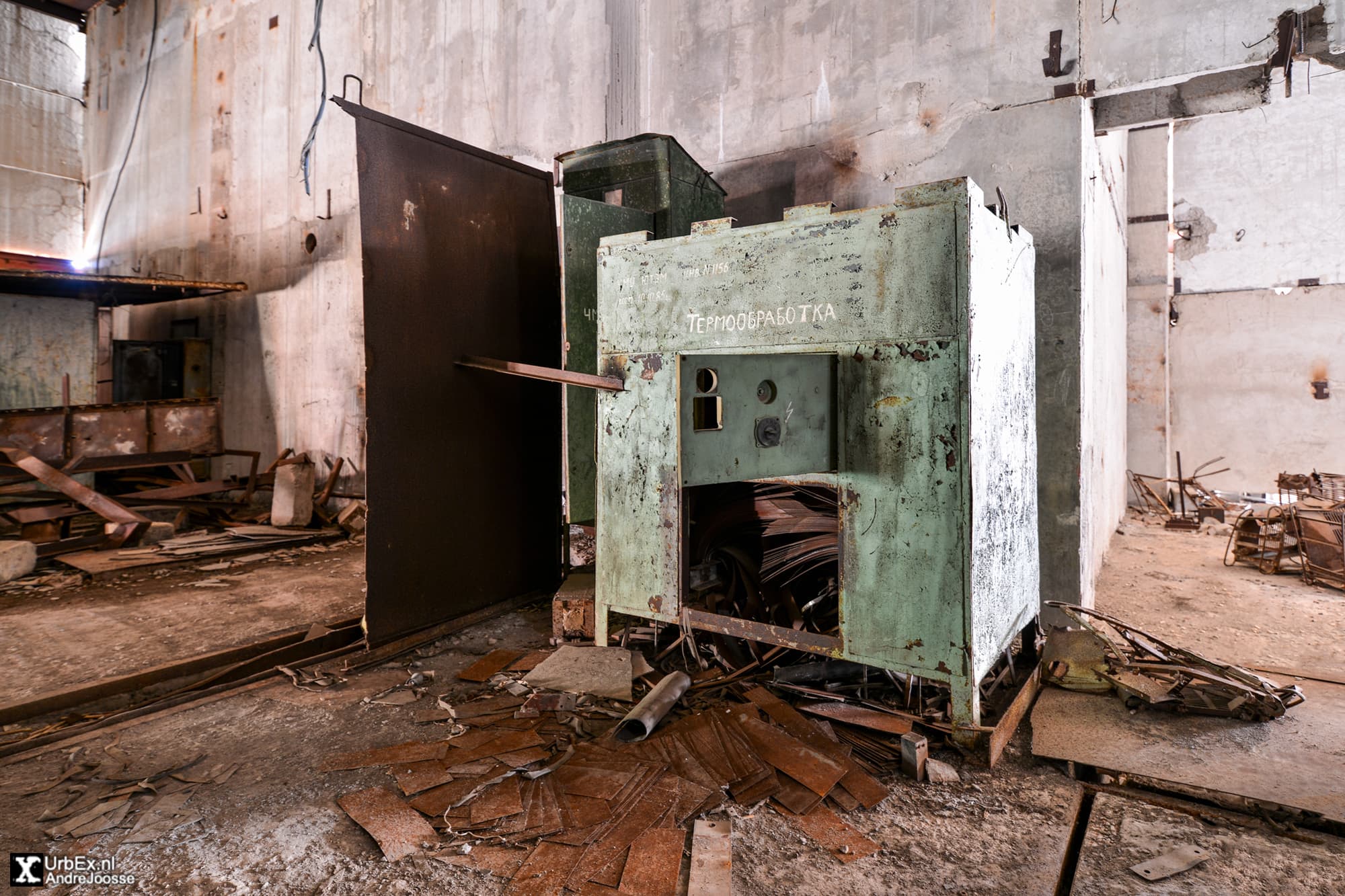
Inside Reactor No. 5. 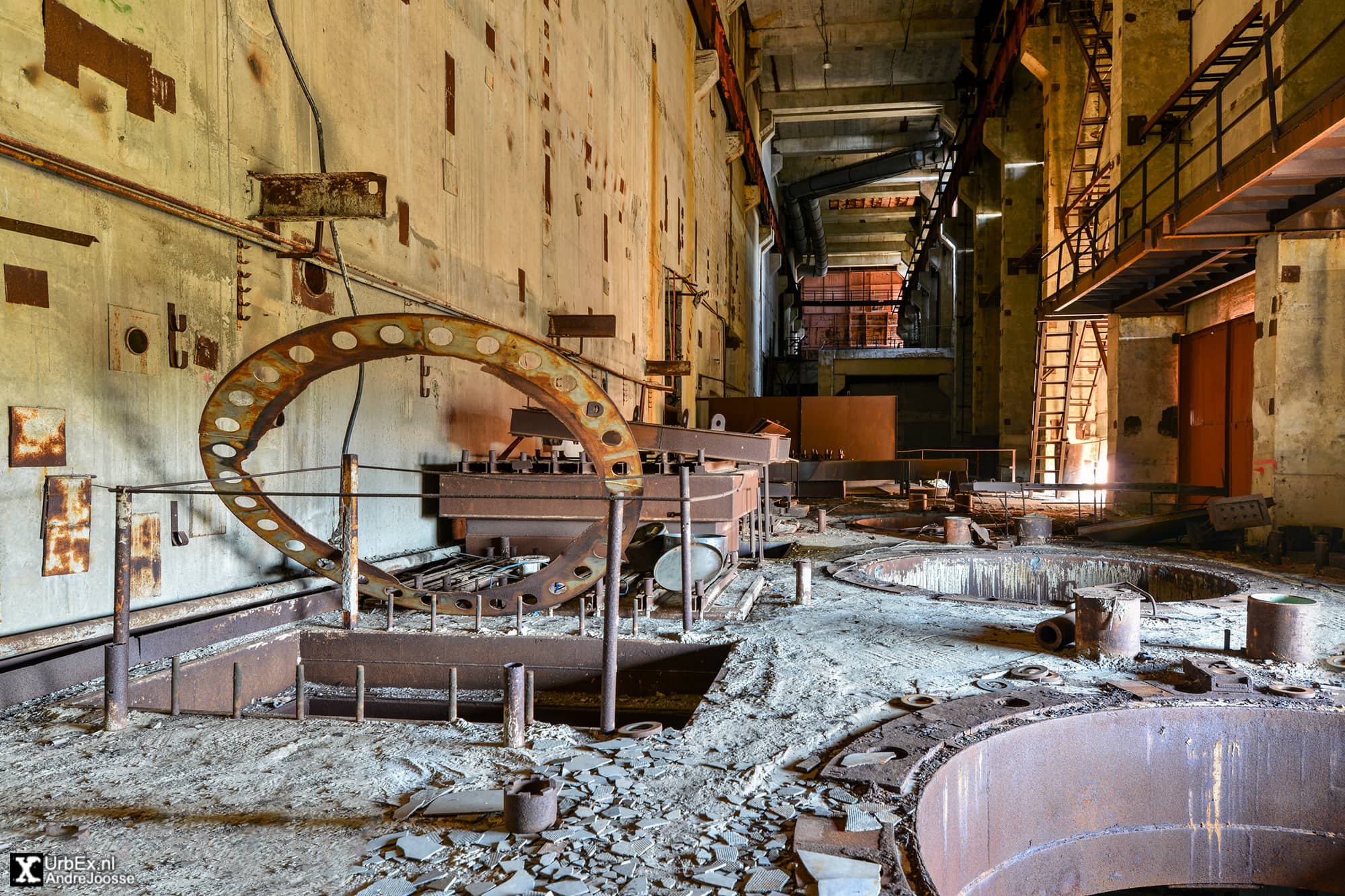
Hall that would have housed the main circulation pumps at Reactor 5. 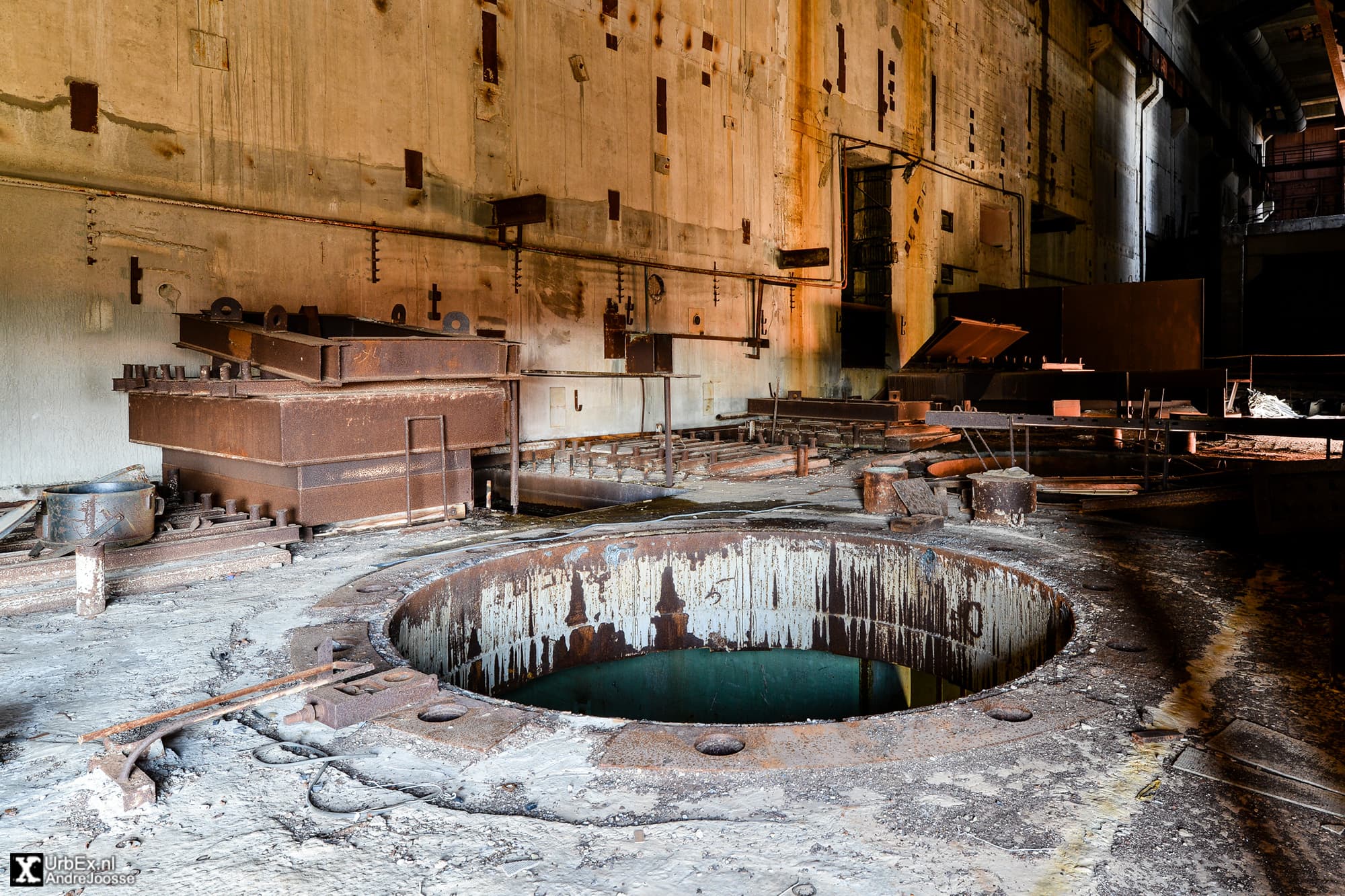
Inside Reactor No. 5. 
Inside Reactor No. 5. 
Inside Reactor No. 5. 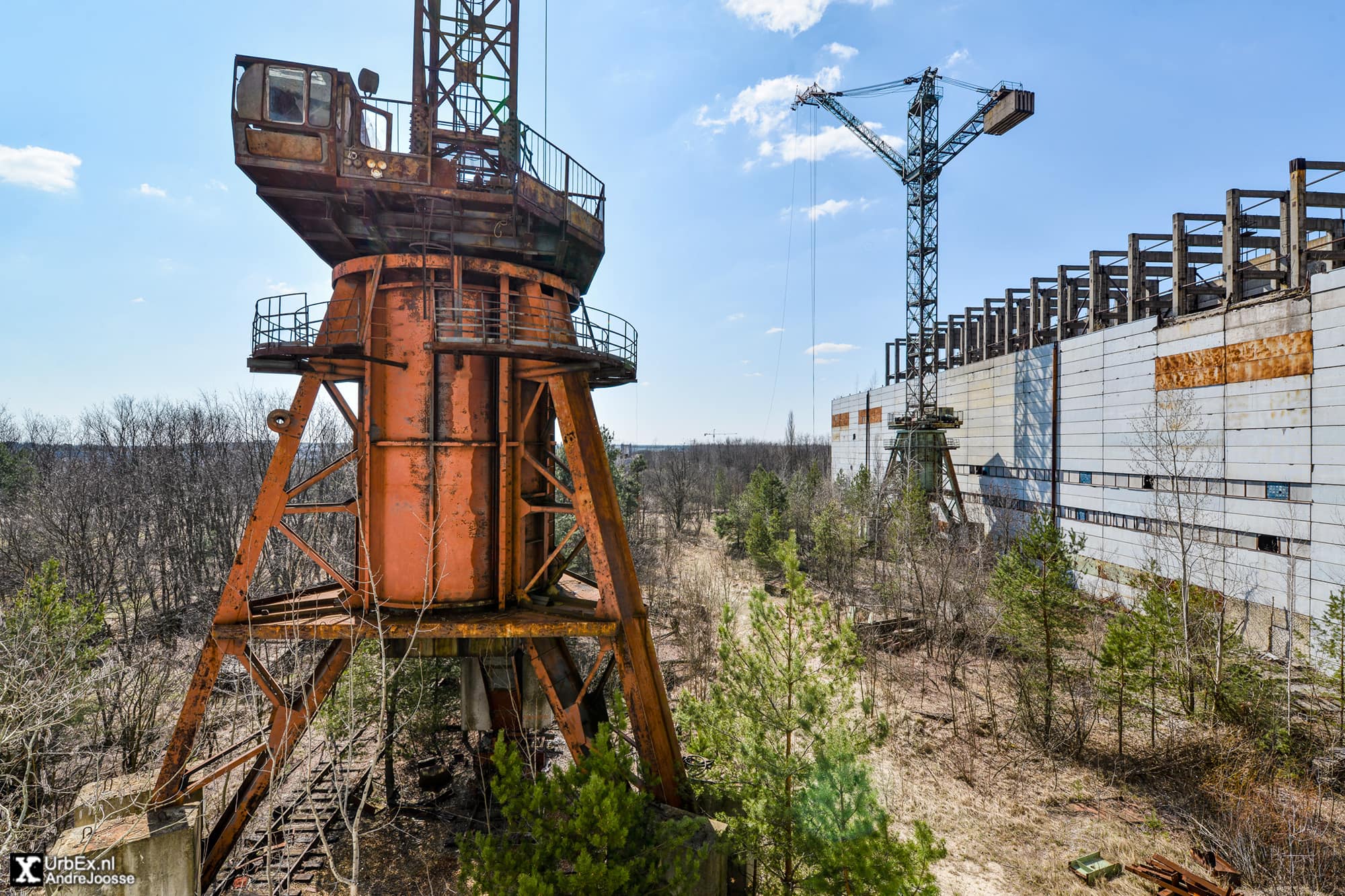
Old rusty crane near Reactor No. 5 and 6. 
Old rusty crane near Reactor No. 5 and 6. 
Old rusty crane near Reactor No. 5 and 6. 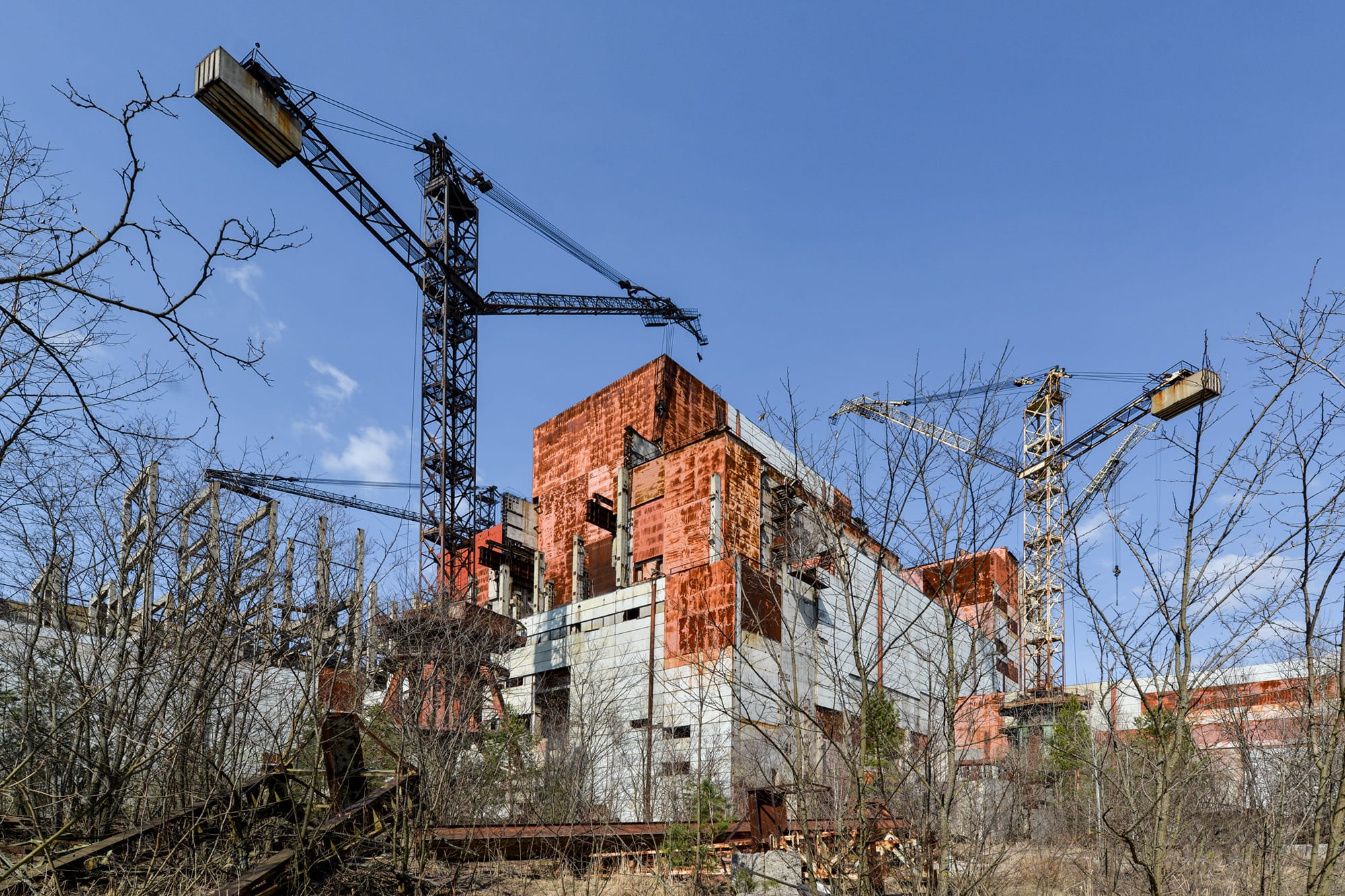
Reactor No. 5.