Chernobyl-2 Officers’ Club
Чернобыль-2 Офицерский Клуб

The Officers’ Club was the heart of social life for the families living in the secret town of Chernobyl-2. This building offered a place to relax and gather in a community hidden deep within the Ukrainian forest. Keep reading to see how this club provided entertainment for soldiers stationed at one of the world’s most powerful radar sites.
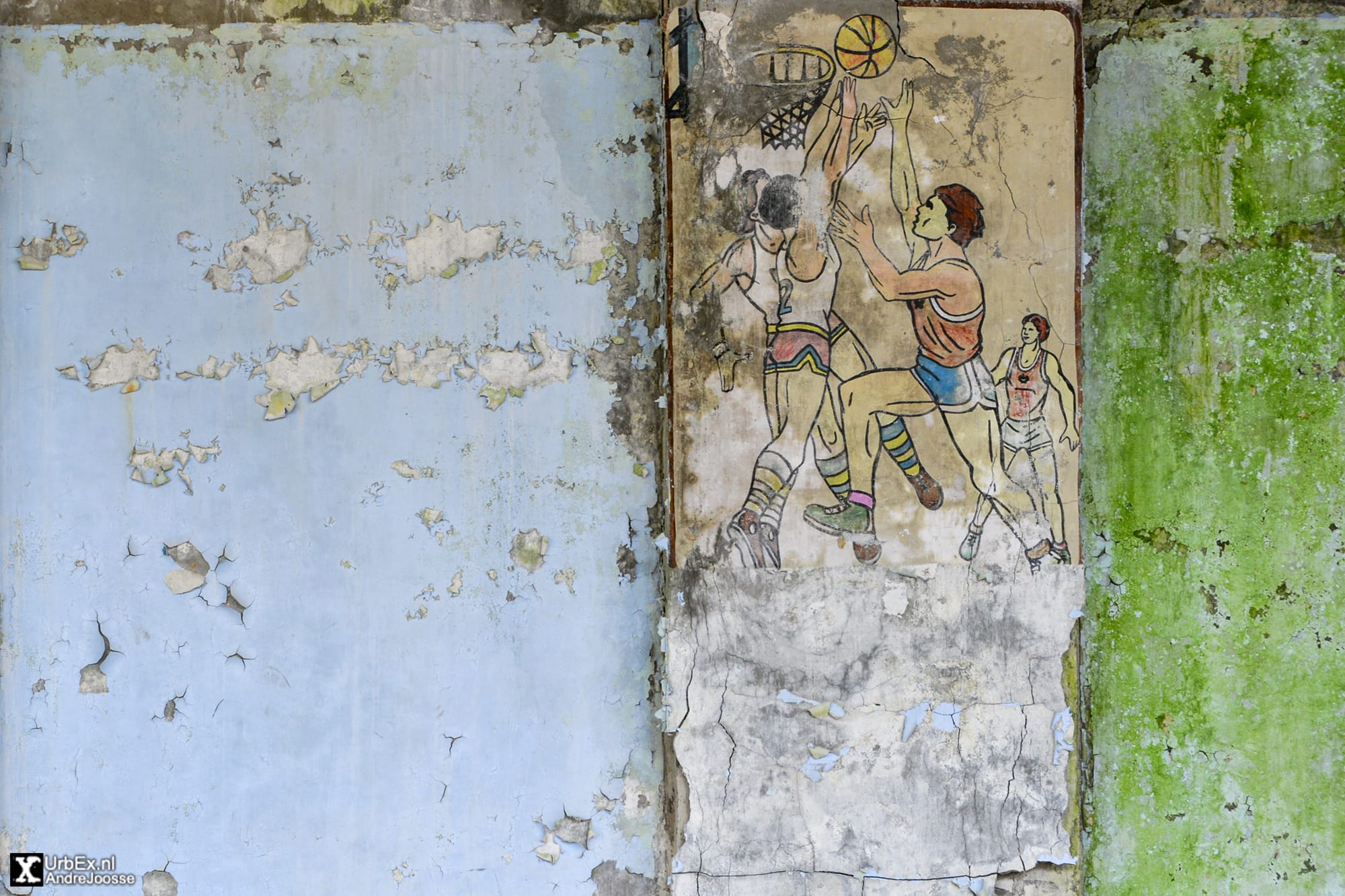
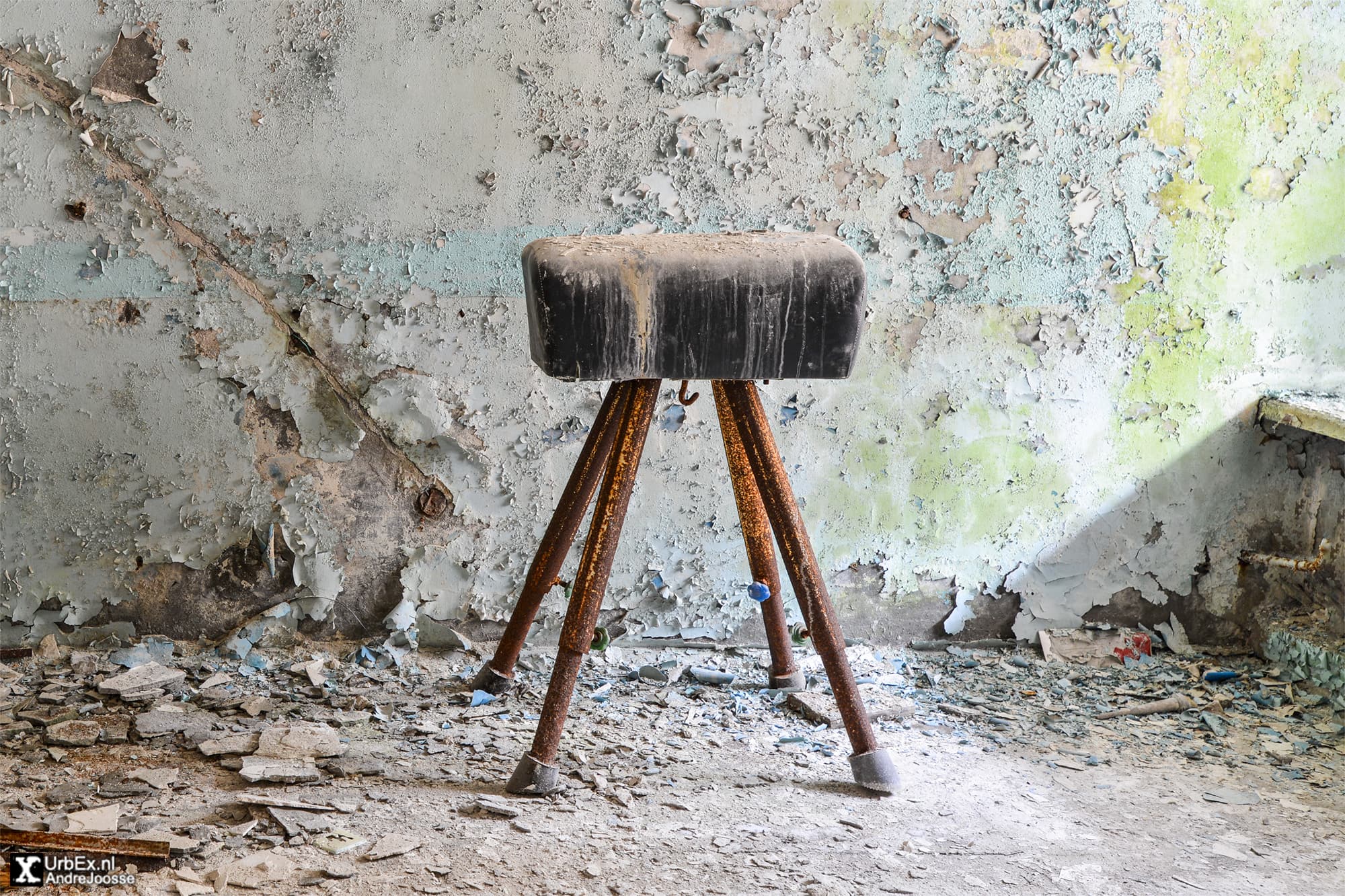
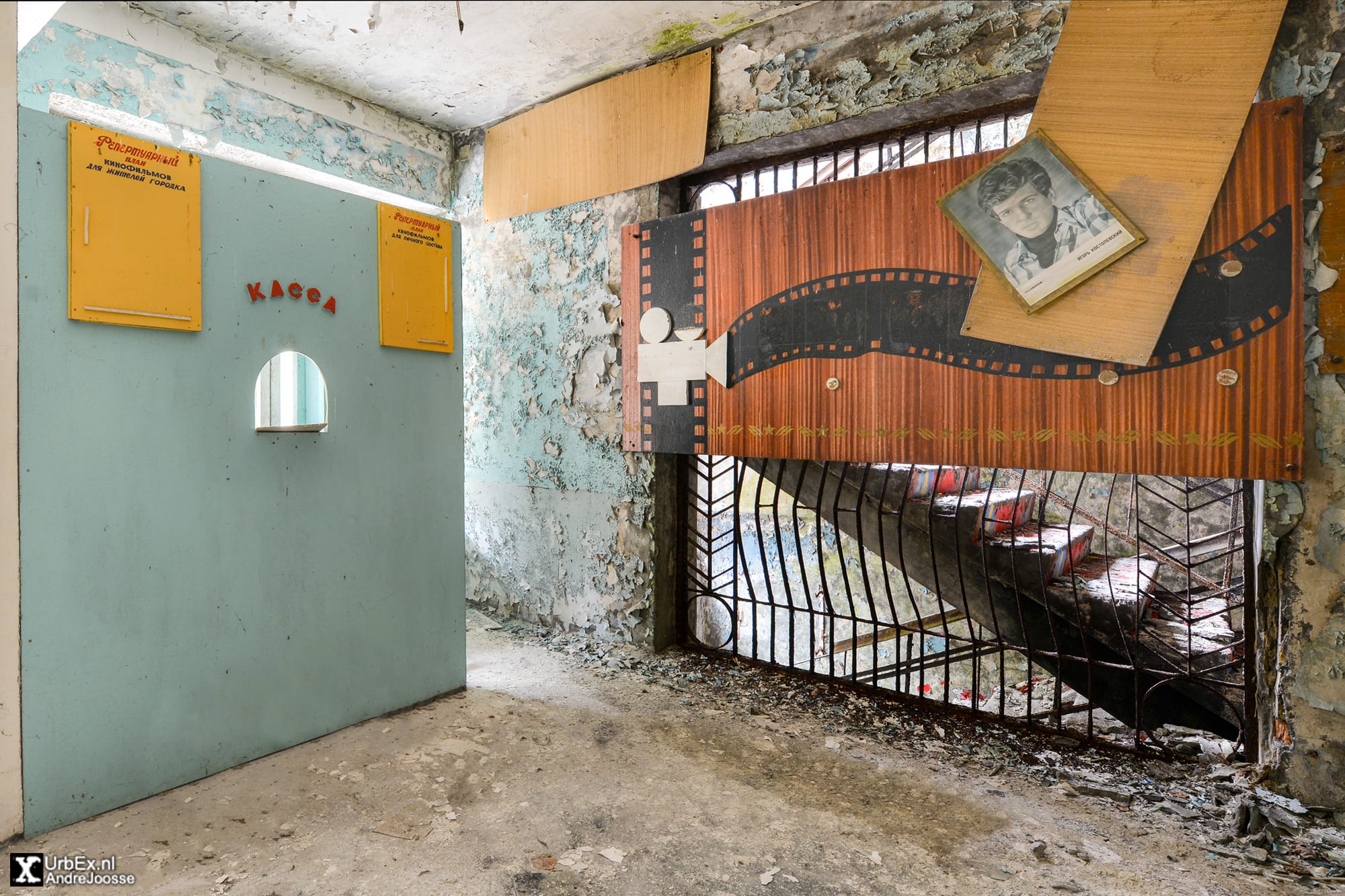
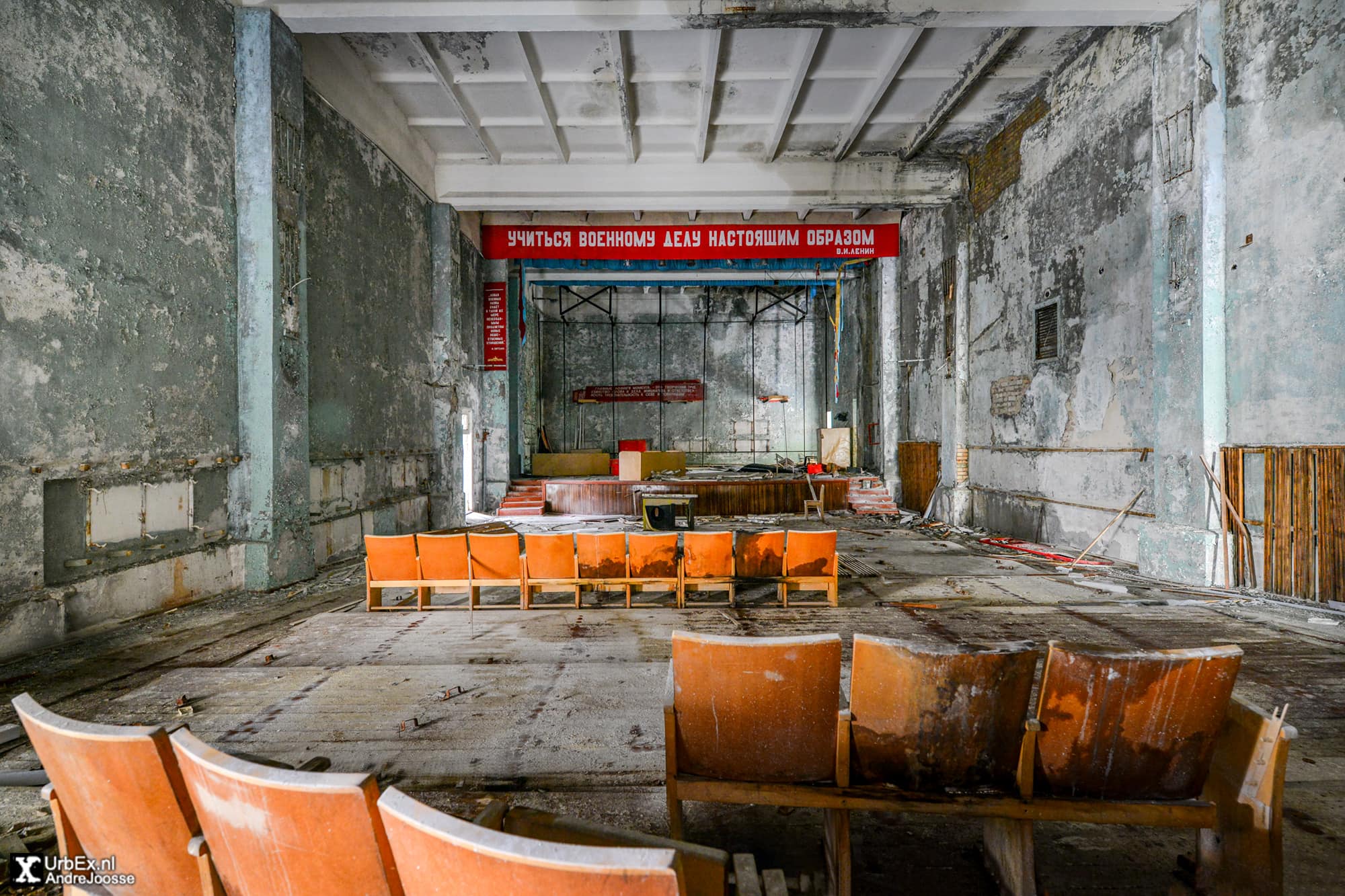
Because Chernobyl-2 was a restricted military zone, the people living there could not simply leave for a night out. The Officers’ Club was built to bring the fun to them. It was the main meeting point where soldiers and their families could spend their free time. Inside, the building featured a large cinema for movies and a gym for staying fit. There were also several meeting rooms where local clubs and groups could gather to talk or play games.
Books and Movies
The club was also home to the town’s library. Originally, the library sat inside the local hotel, but it eventually moved here to give residents more space to read. This was a very important resource for the families, as it provided books and news in a town that officially did not exist on any map. From film screenings to quiet afternoons of reading, the club made life in the forest feel much more normal for the officers and their spouses.
Life Near the Radar
The residents of this town had a very important job. They operated the Duga radar, a massive system designed to watch for enemy missiles. Because the work was so serious and top-secret, having a place like the Officers’ Club was vital for morale. It allowed the personnel to disconnect from the pressure of the Cold War for a few hours.
The Final Curtain
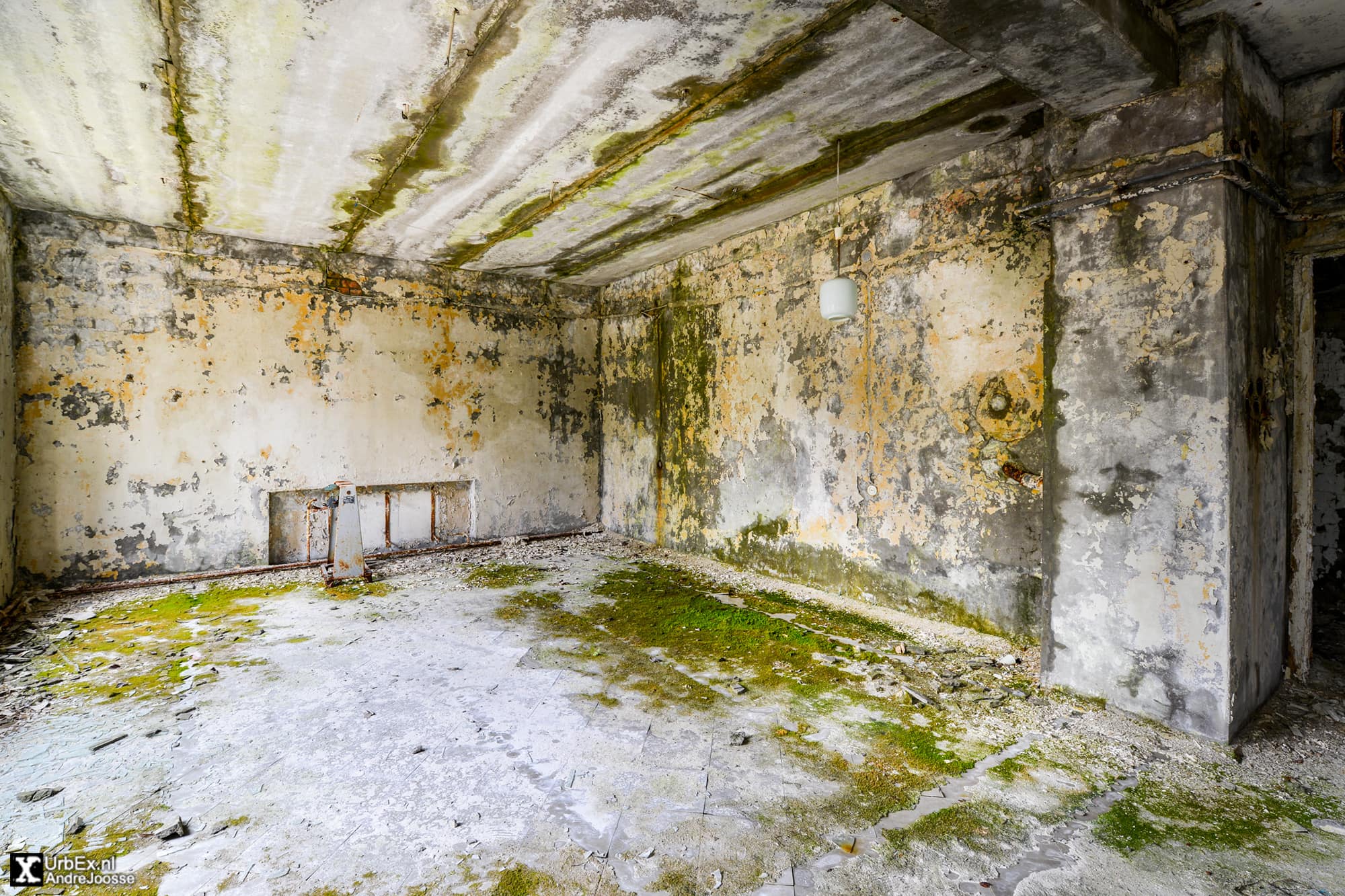
The music and movies stopped forever on 27 April 1986. Following the explosion at the Chernobyl Nuclear Power Plant, the government ordered a total evacuation of the area. Families left the club and their homes in a great hurry. Today, the cinema seats are empty and covered in thick dust. The books still sit on the library shelves, but no one has turned their pages in many years.
The Officers’ Club remains a silent witness to the community that once thrived behind the barbed wire.