Pripyat Secondary School № 5
Припять средняя школа № 5

Pripyat Secondary School № 5 is one of the five secondary schools in the atom city Pripyat. This school is located in Hidroproektovska street. The course of school training in the Soviet Union lasted 10 years.
Pripyat was officially proclaimed a city in 1979, and had grown into a city of 49,360 citizens by the time it was evacuated. It was a city full of young families. The small city had 15 kindergartens for 4980 kids. This building, Secondary School № 5 is one of the five secondary schools that combined could educate up to 6786 students. After graduation, they could go work at the power plant or study at the technical school in Pripyat.
Most of the buildings in the city are practically empty. But not the schools. They managed to preserve the attributes that reflect the presence of children. Also there is much Soviet design, characterizing the previous era.


ABCD-123….8? 

Entrance of the school. 
Lockers. 
Flight of stairs. 
Flight of stairs. 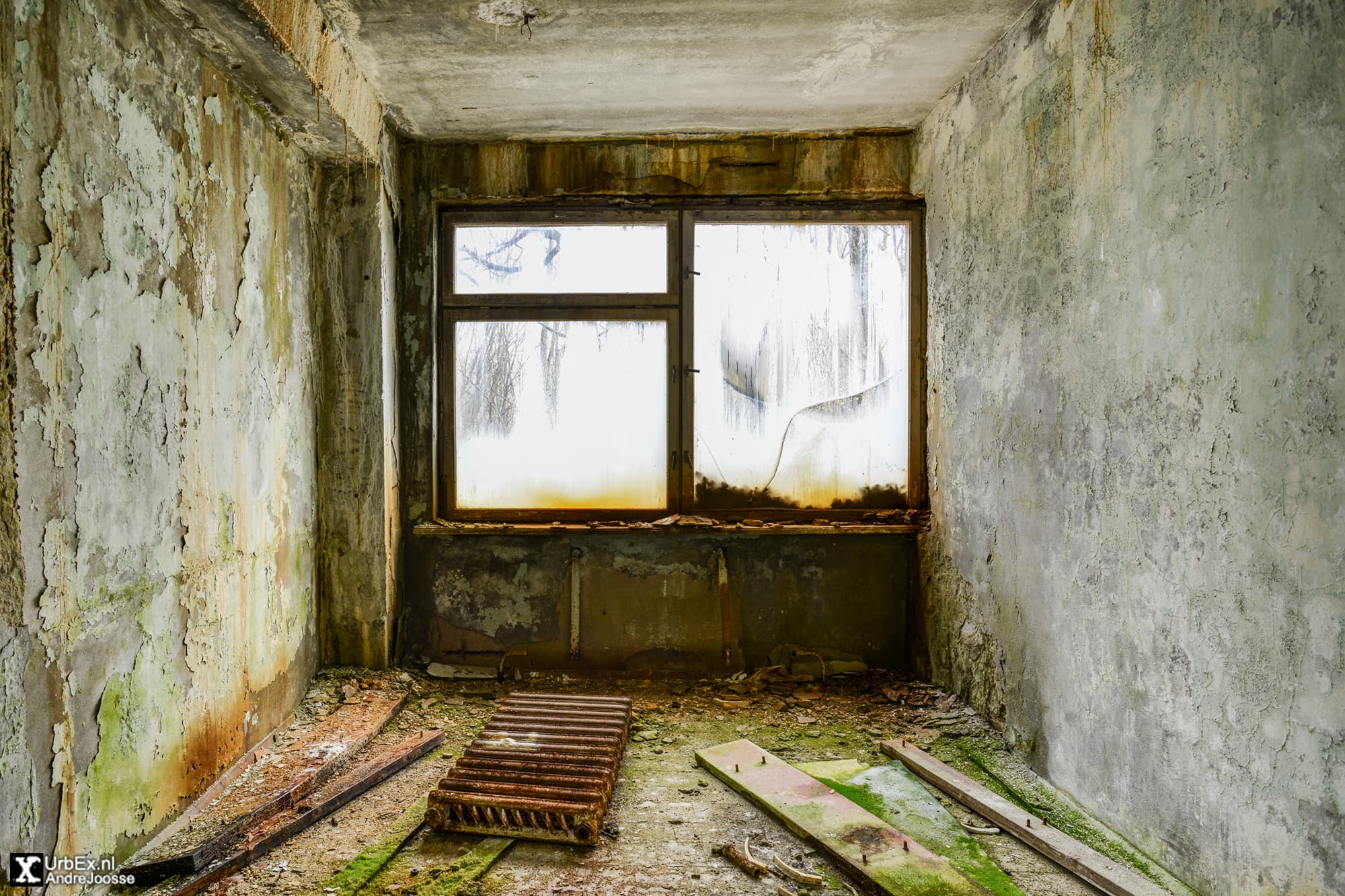
A room full of decay. 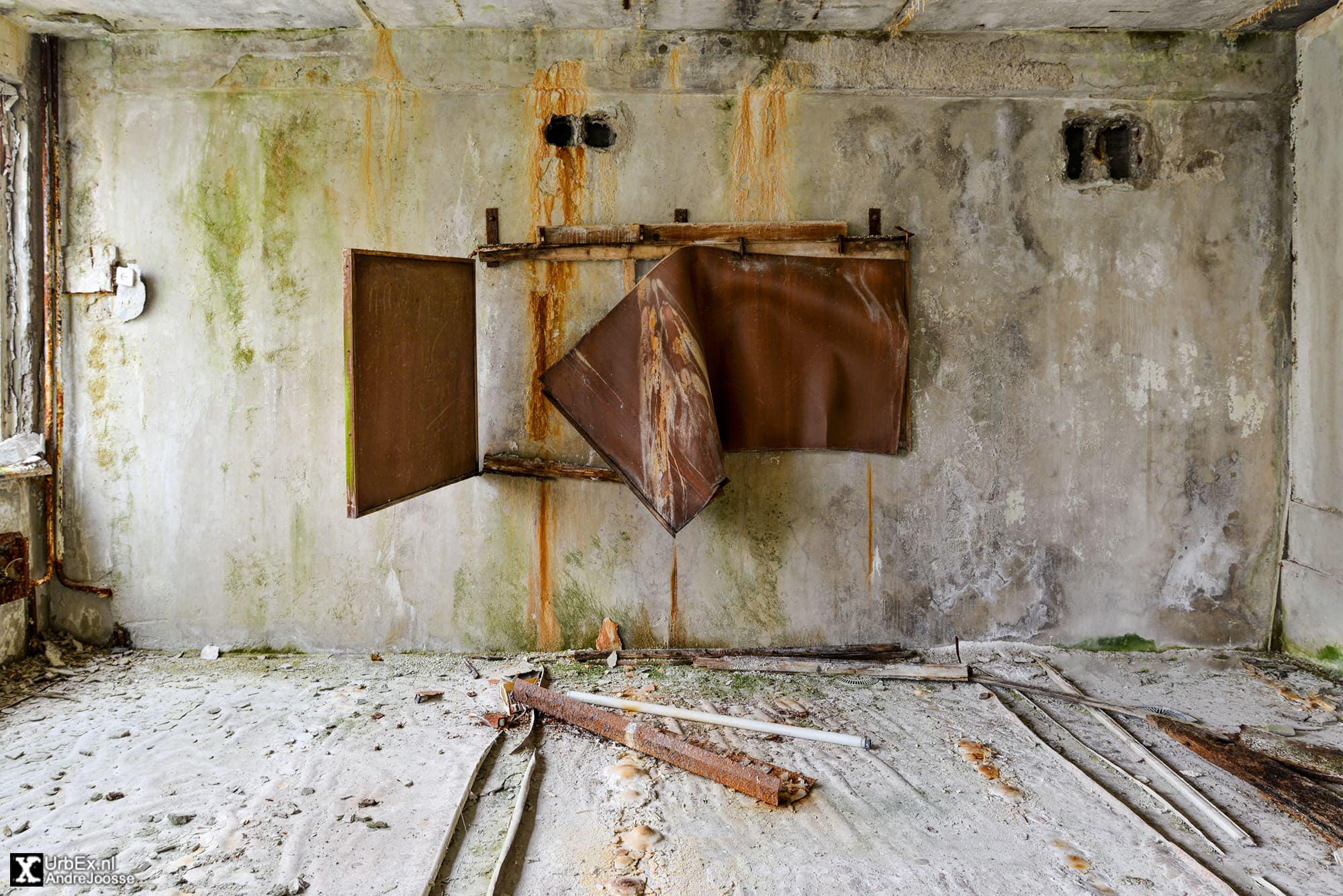
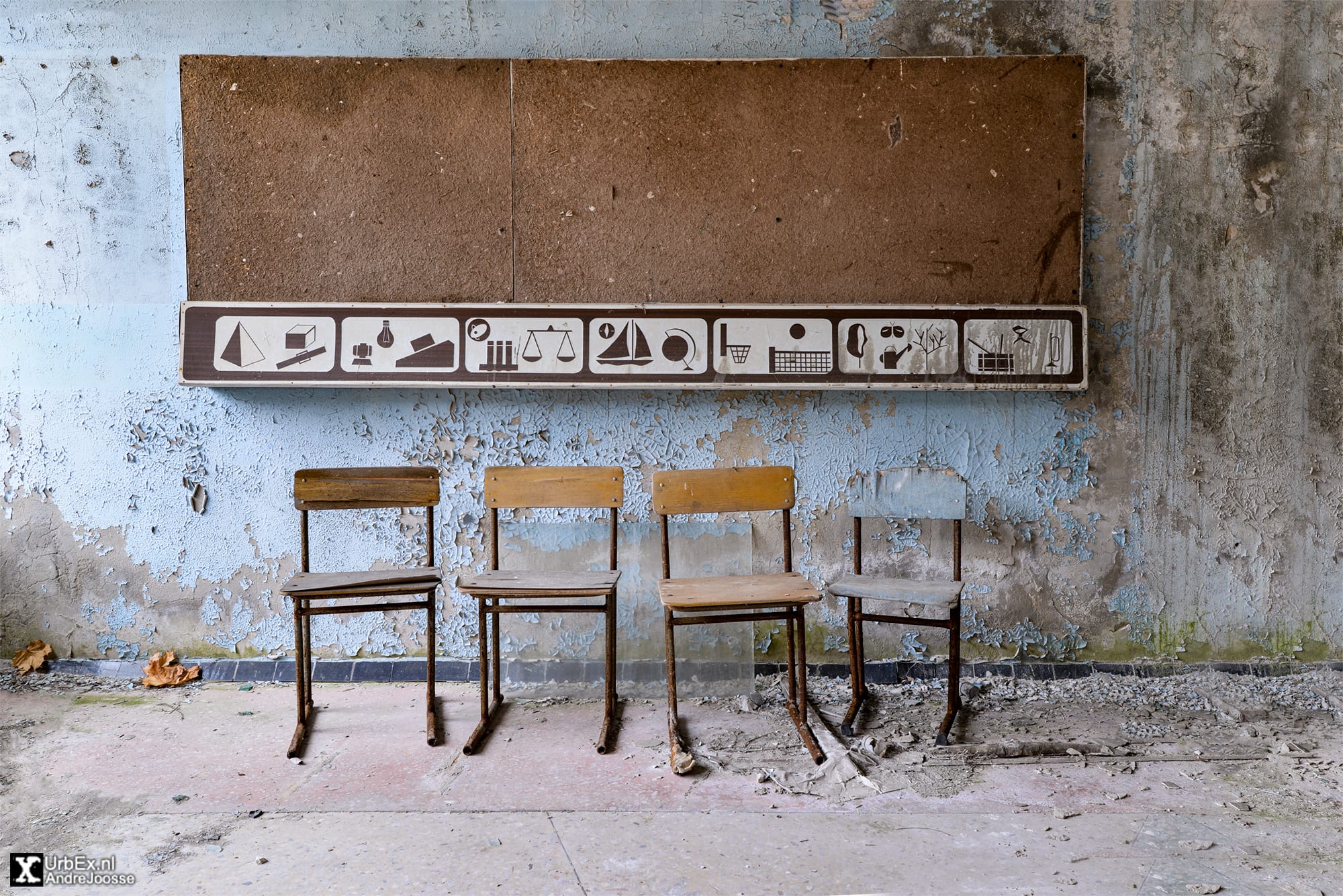
Abandoned classroom. 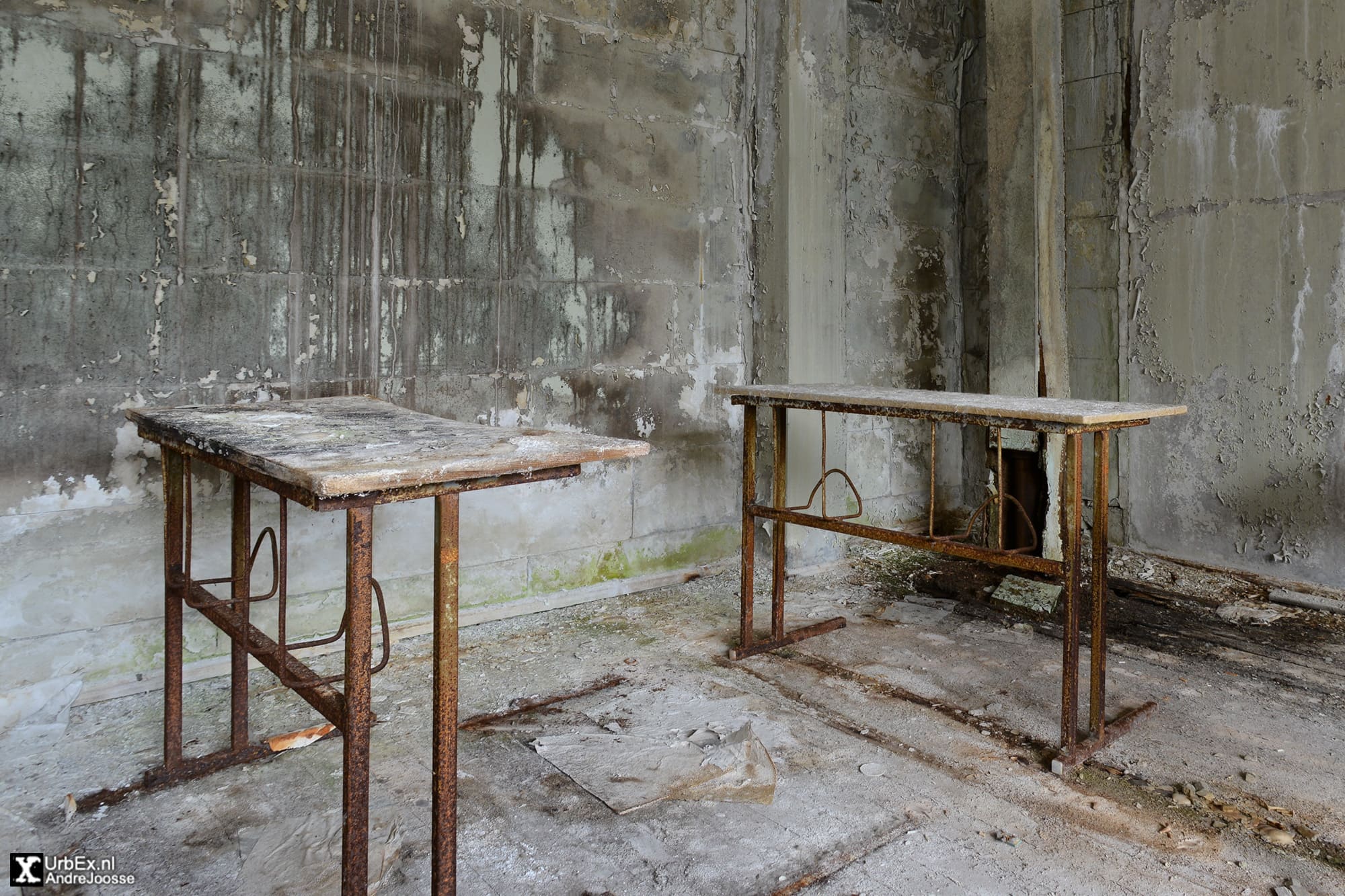
Rusty school desks. 
Rusty school desks. 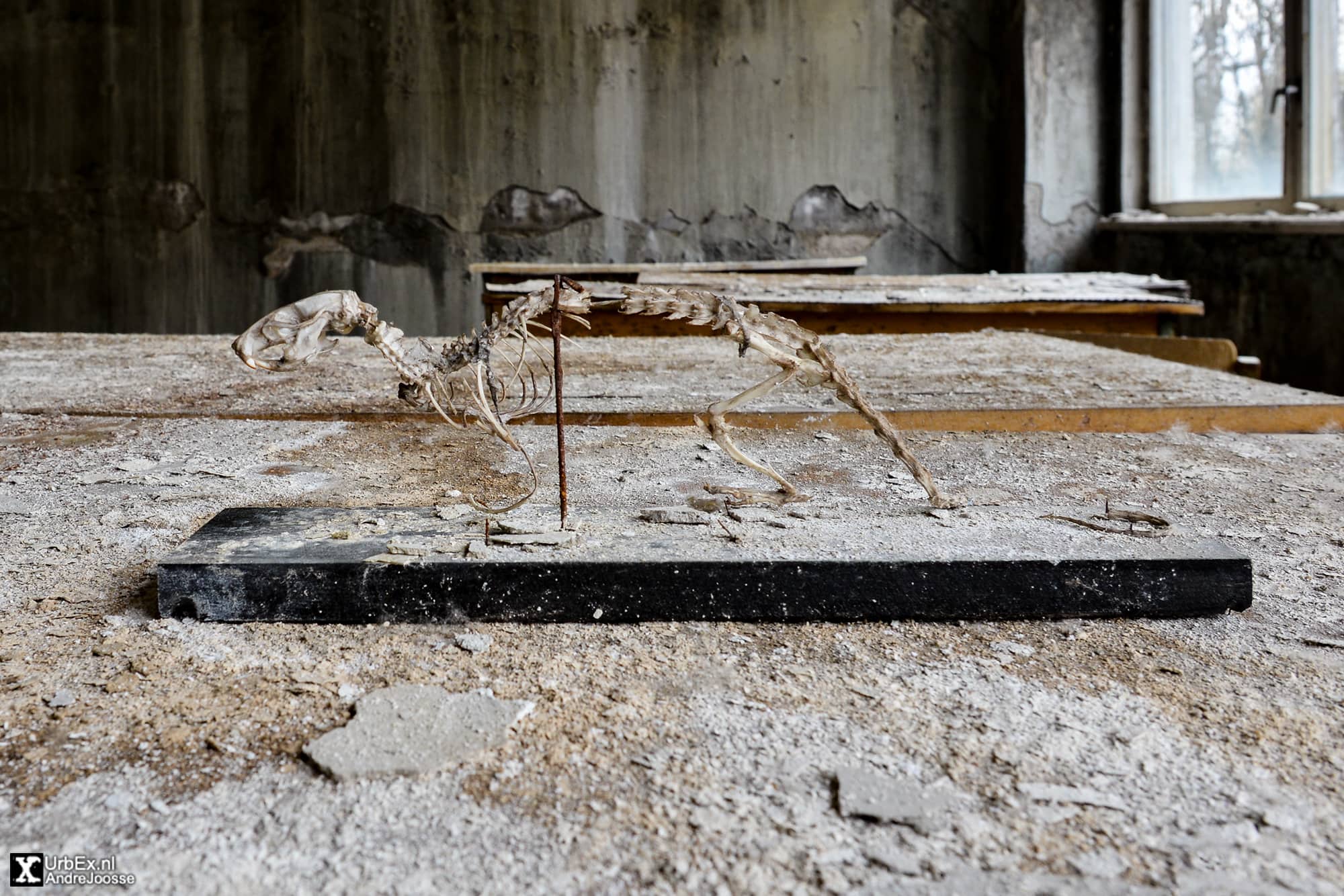

Biology. 
Doll in a classroom. 
Biology. 
Black board. 
Old writings on the board. 
The chemistry classroom. 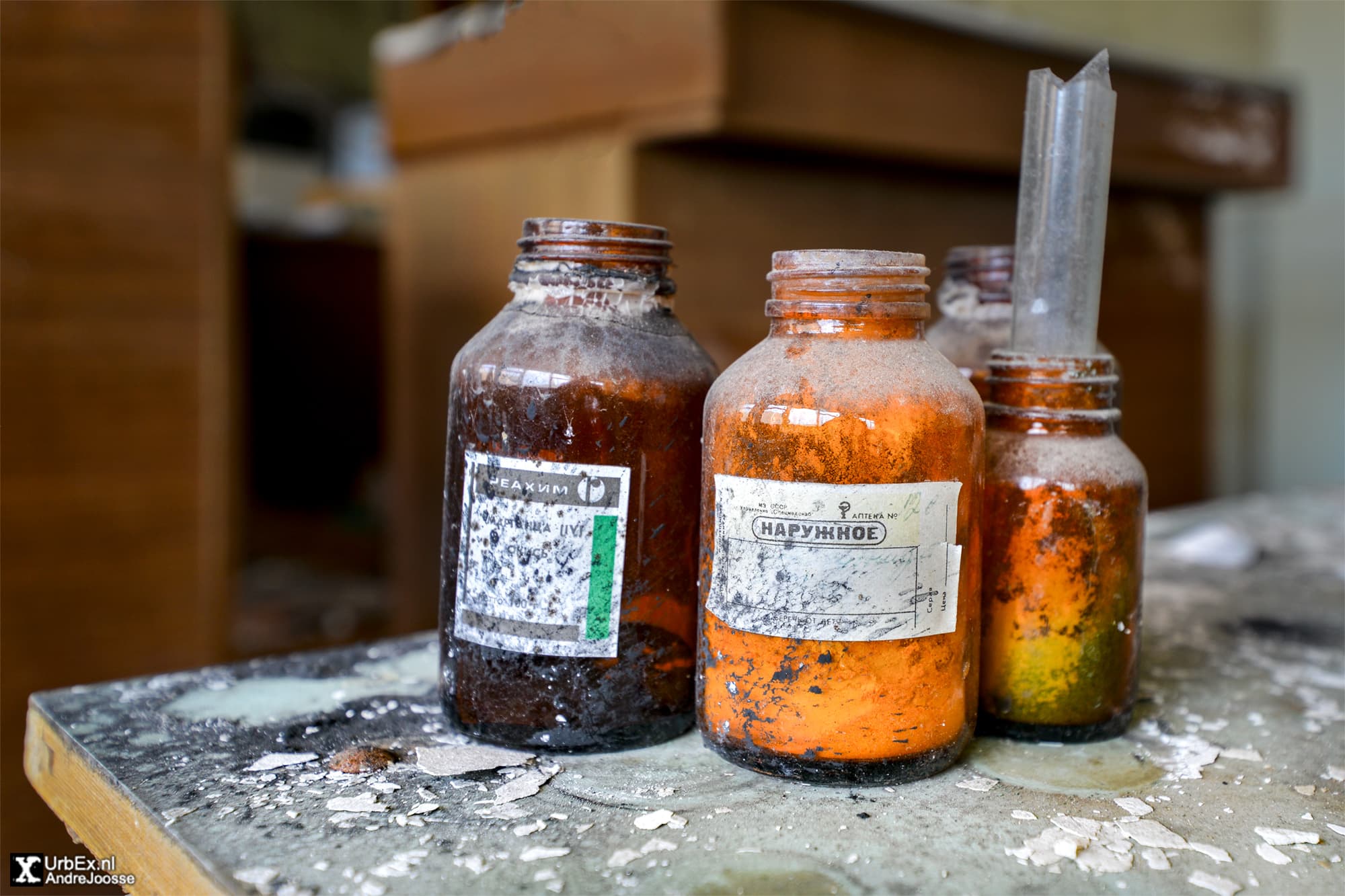
Chemistry. 
Chemistry. 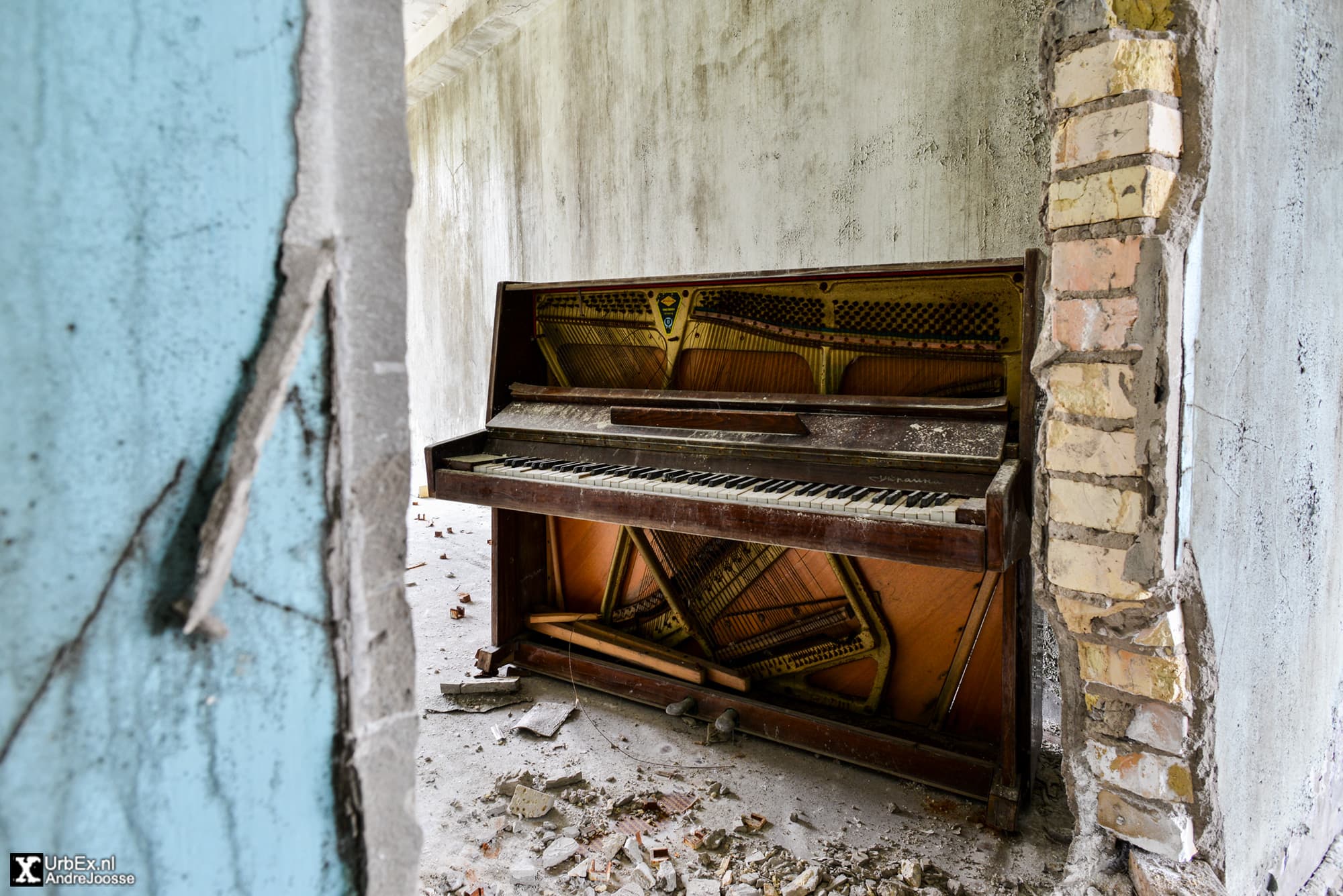
Derelict piano. 
Eerie classroom. 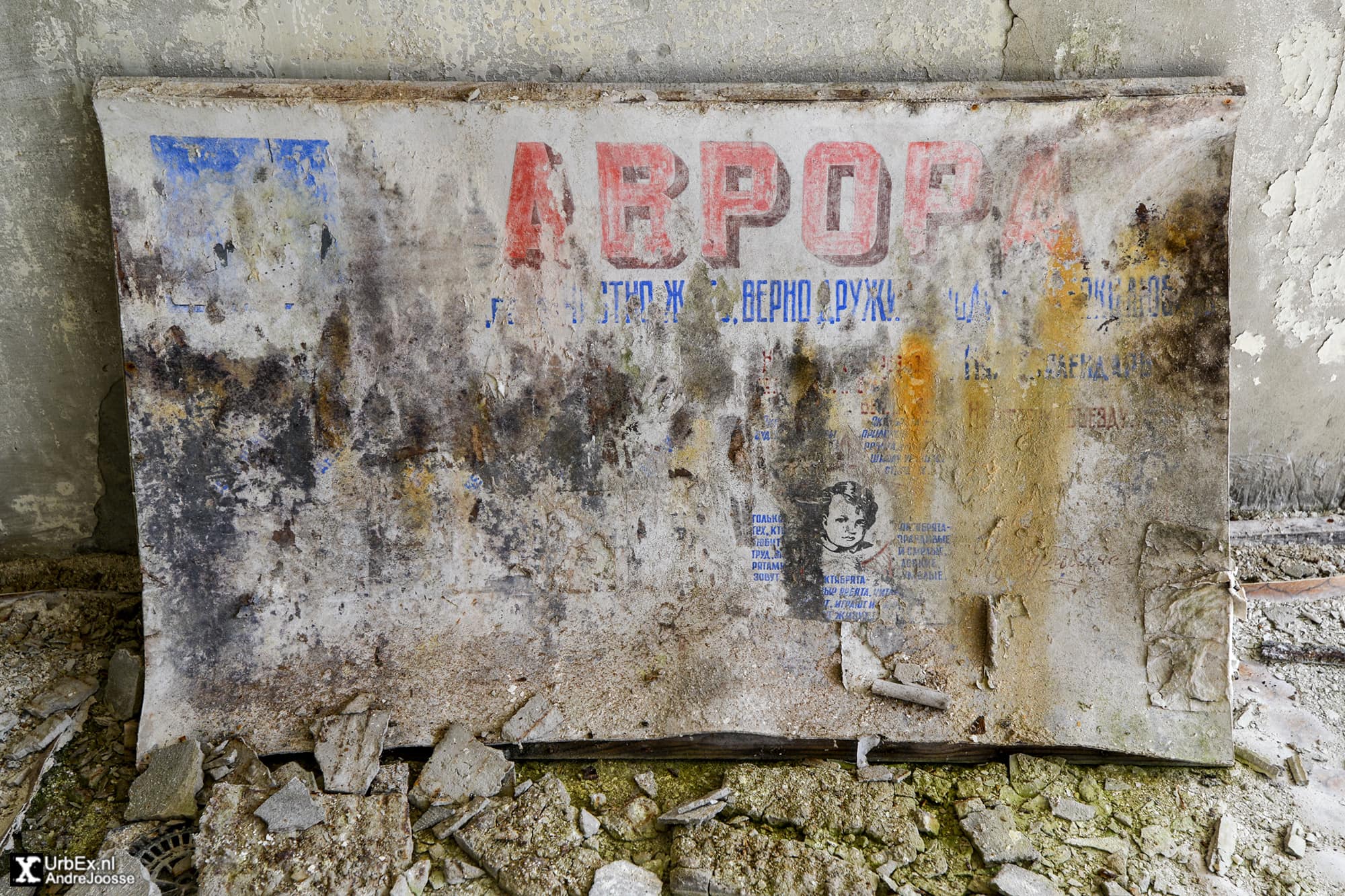
Poster. 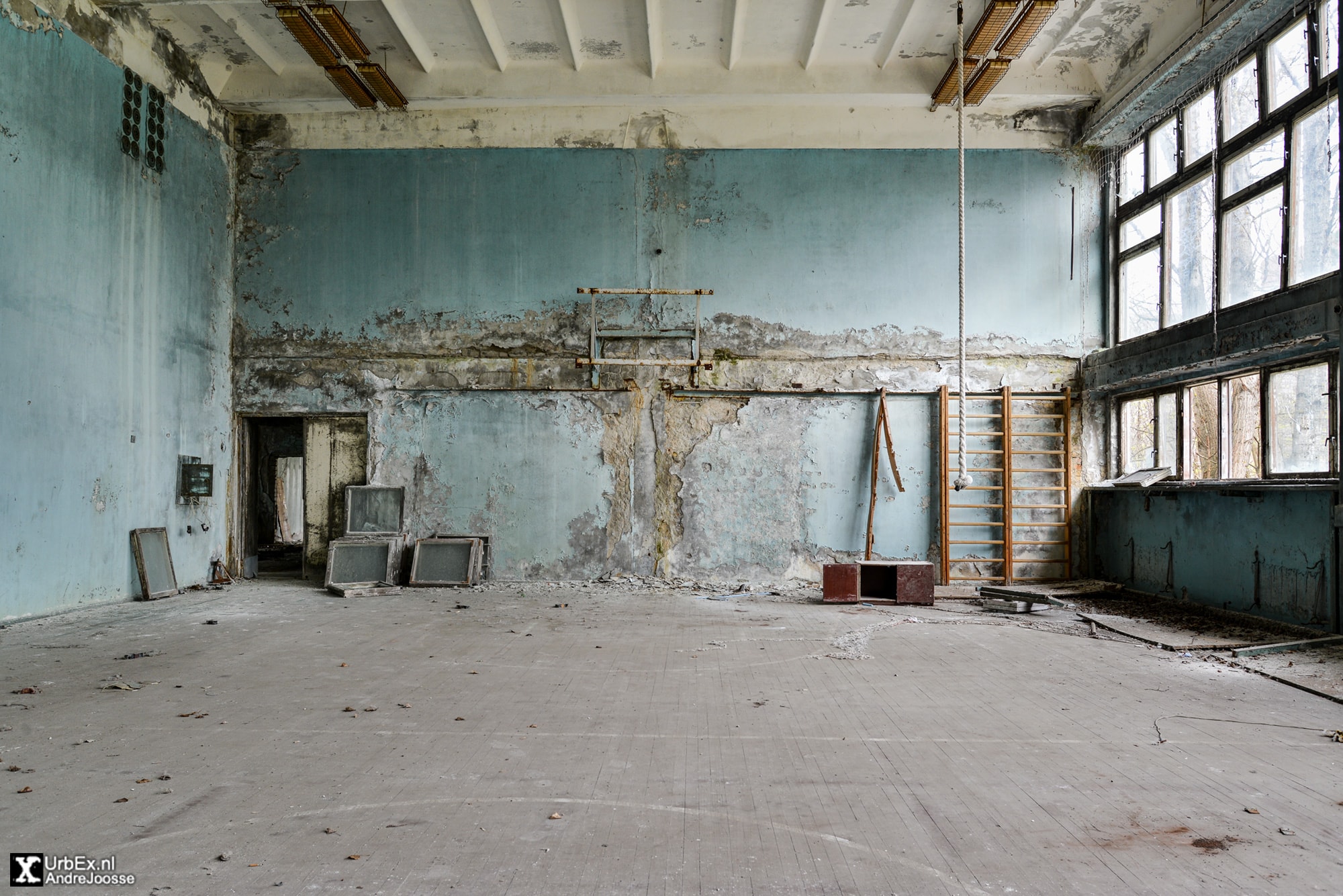
The gym. 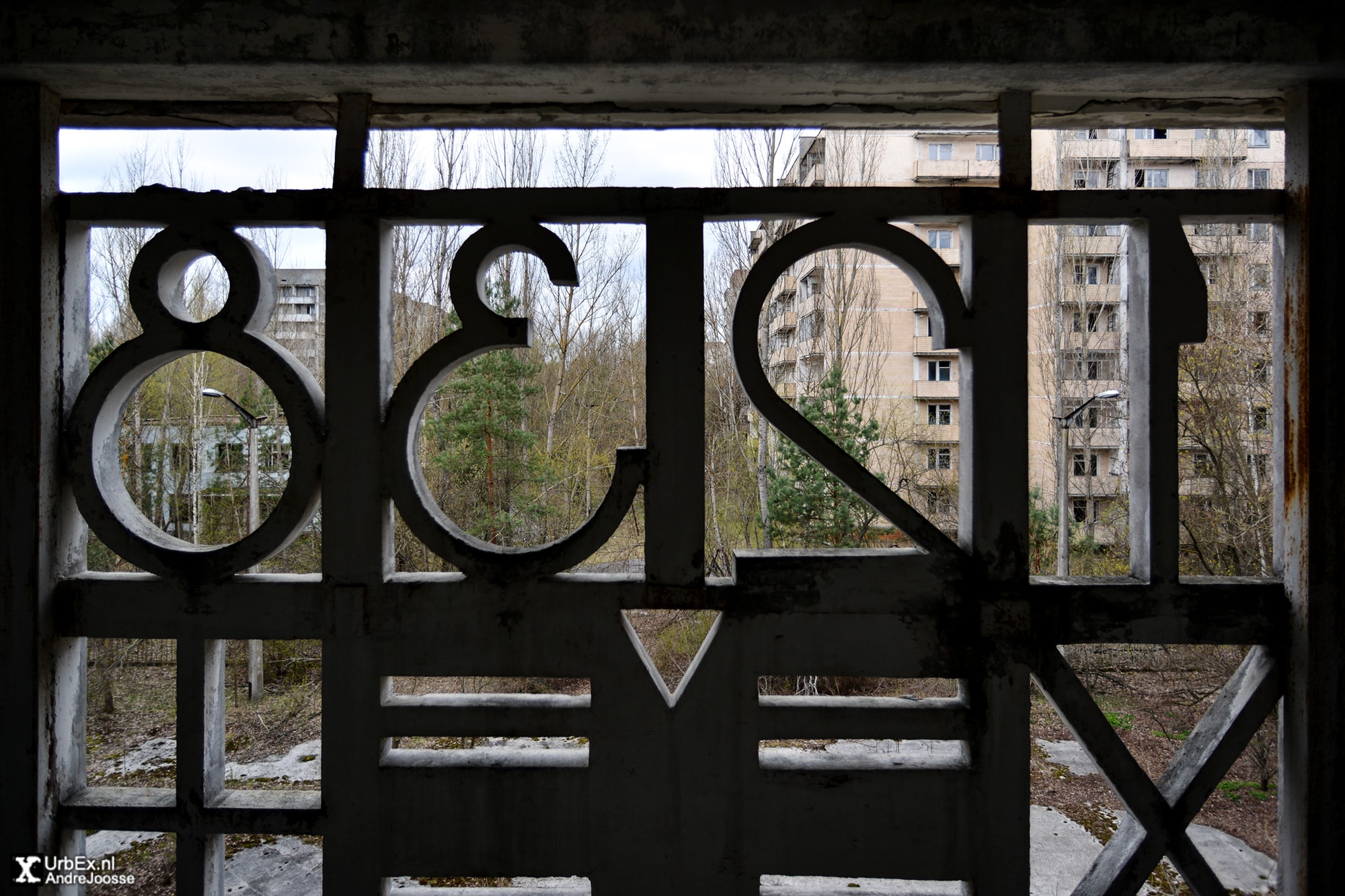
1-2-3-8