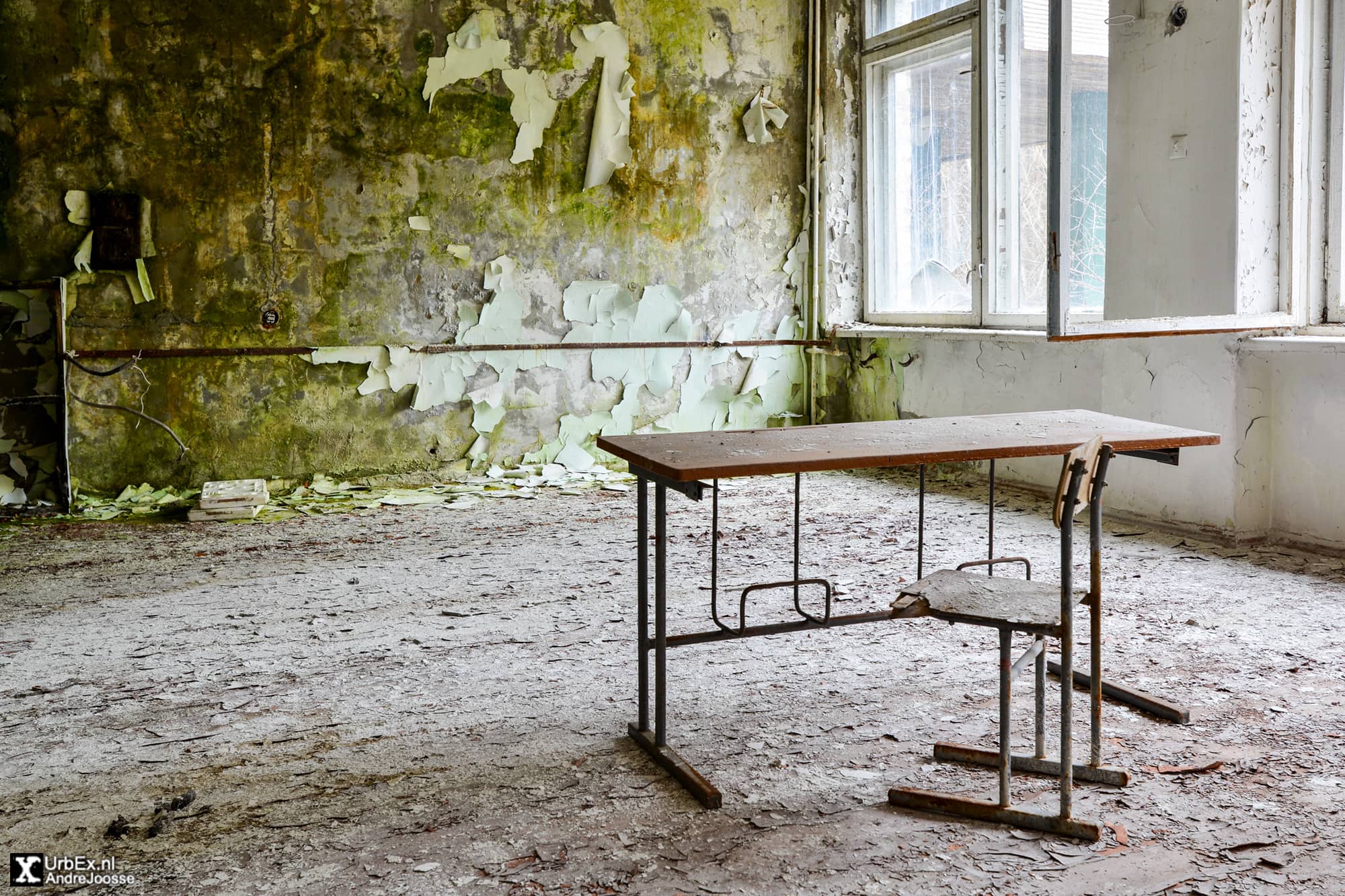
Duga-1 Radar Station
Дуга радиолокационн станция
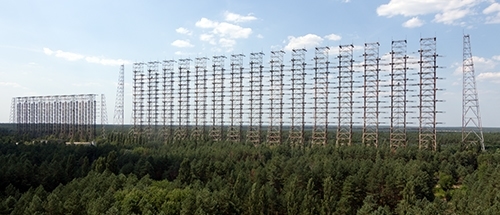
Duga-1 is one of the three Soviet ‘over the horizon’ radar stations. A system made for early detection of attacks by ballistic rockets. This radar system was developed in the Soviet Union in the 1950s, during the cold war. The array station was hidden in a forest together with the secret military town Chernobyl-2.
In Soviet countries, all the secret military objects were named after the neighboring cities. Probably the military tried to confuse enemy intelligence this way. Chernobyl-2 was home for families of military personnel that worked at the radar site. The infrastructure of the secret town consisted of two parts. Firstly the Soviet over-the-horizon radar system Duga-1. Secondly the town for military personnel and their family.
Russian Woodpecker
The array was put into use at the end of May 1982. Its systems were extremely powerful, over 10 MW in some cases. It broadcasted in the shortwave radio bands. They appeared without warning, sounding like a sharp, repetitive tapping noise, which led to it being nicknamed by shortwave listeners as ‘Russian Woodpecker’. The random frequency hops disrupted legitimate broadcast, amateur radio, commercial aviation communications, utility transmissions, and resulted in thousands of complaints by many countries worldwide.
A transmitter and a receiver
The Duga-1 consisted of two sites, Chernobyl-2 and Lyubech-1, not far from the town of Chernihiv. The two transmitting antennas were located in Liubech and the two receiving antennas, here in Chernobyl-2. Because of different ways of counting the installations and the secrecy that surrounded them the radar is quite frequently, but incorrectly referred to as Duga-3, when in fact Duga-3 was never constructed.
Until 1985, the Duga was undergoing a series of improvements. In 1986, the radar installation was completely improved and began to undergo a state inspection. No one knows whether it would be possible for developers to bring the system to perfection or not, everything changed on April 26, 1986.
Duga today
The entire population of the town was hastily evacuated from the radioactive disaster zone a day after the Chernobyl disaster. In this case the site was on stand-by for over a year, until it became clear that the operation of the radar in an environmental disaster was impossible. Today, the site is still abandoned and only visited by the guard and tourists. The radar in Lyubech was demolished in 2000.
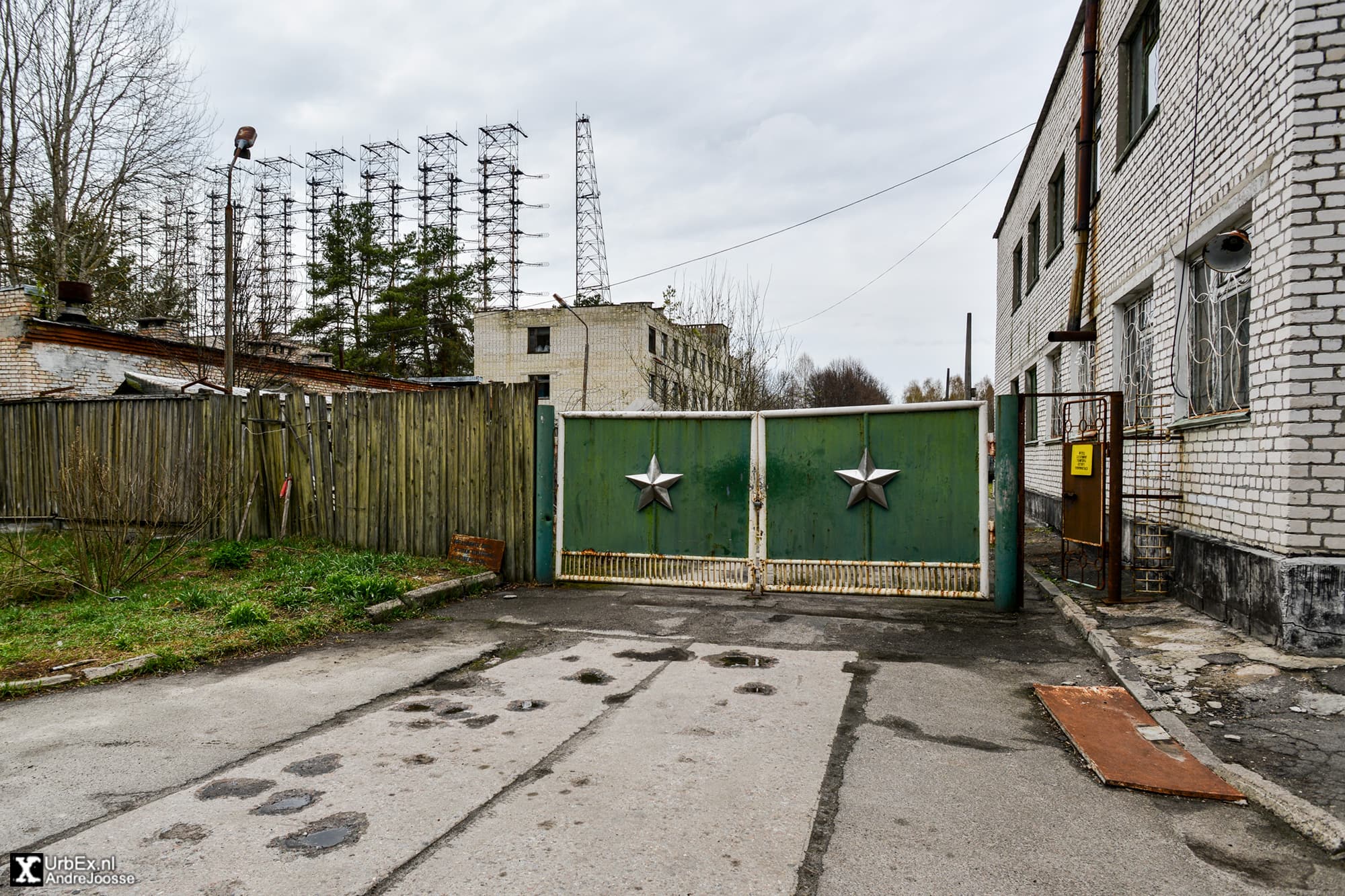

Gates to Chernobyl-2. 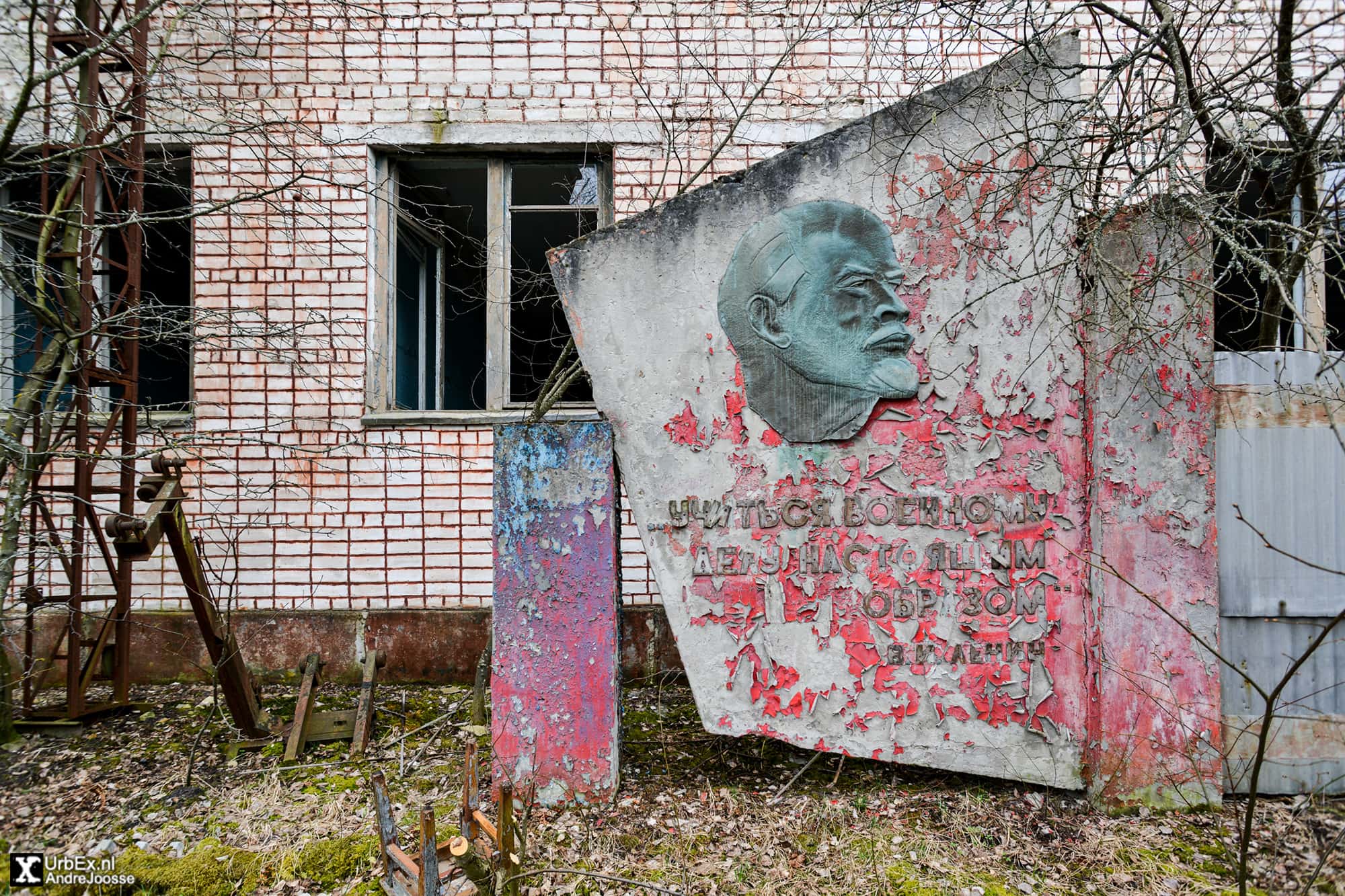
Lenin in front of the office building. 
Duga-1 Offices. 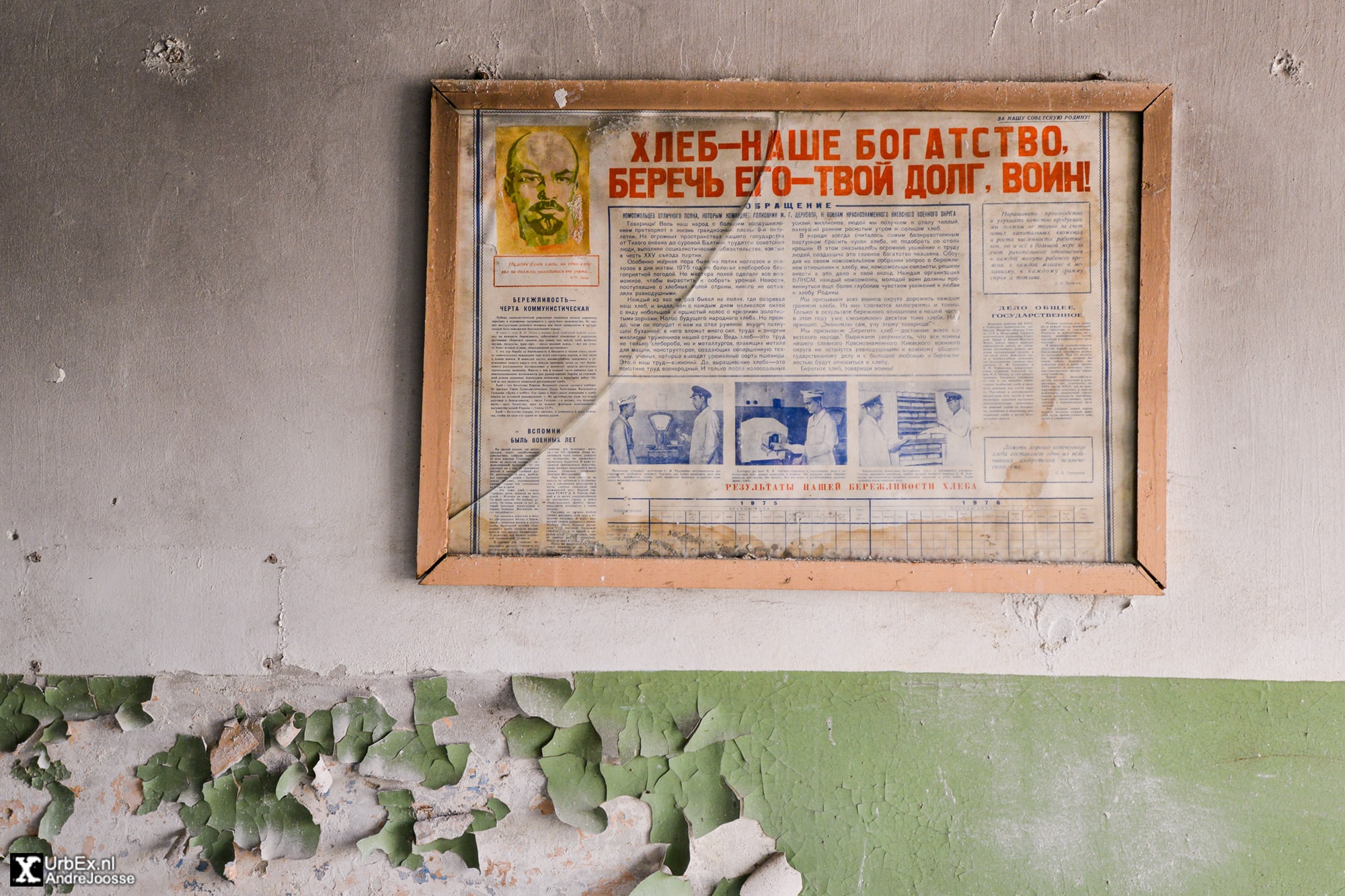
Propaganda. 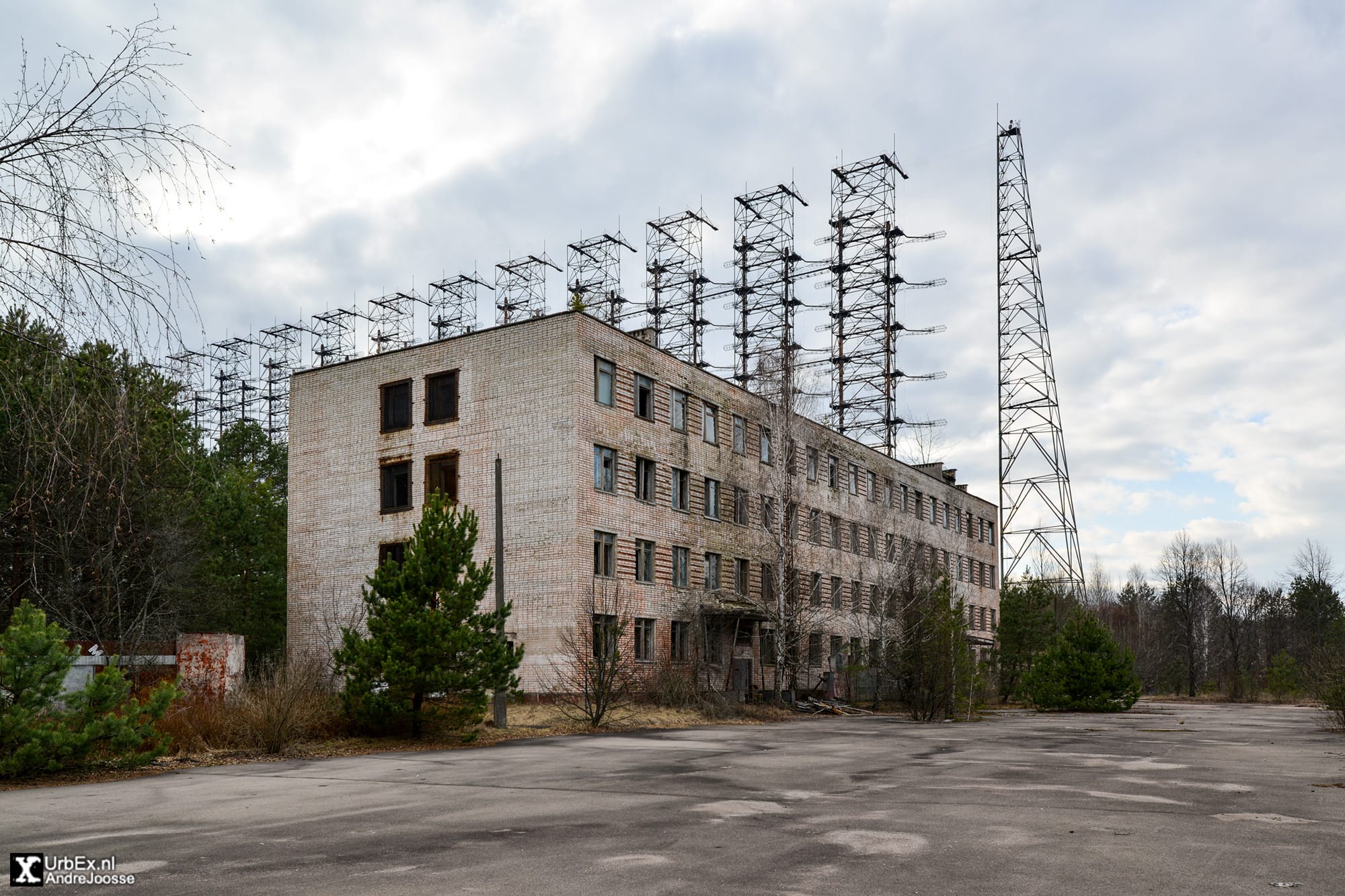
The abandoned offices. 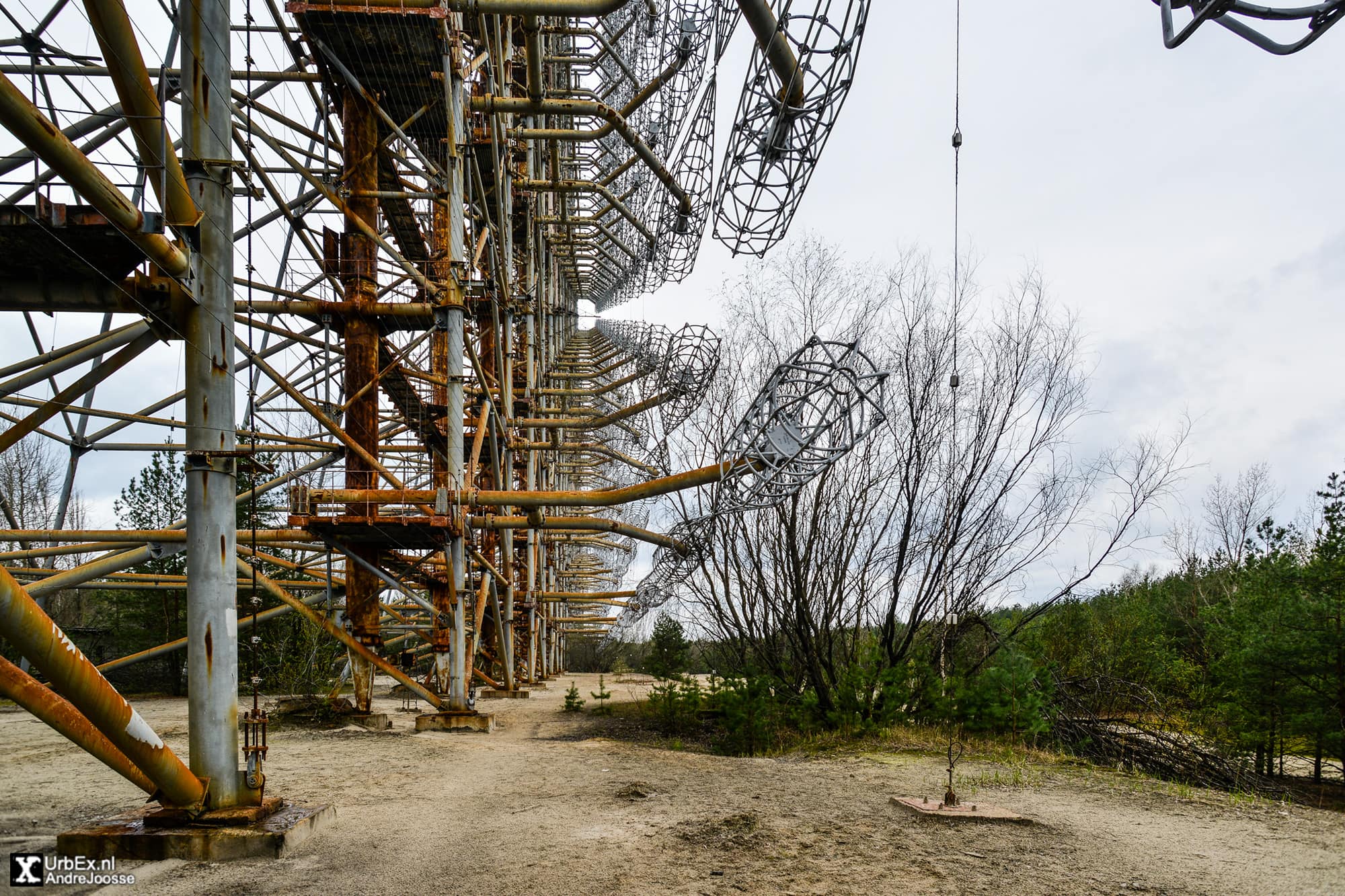
The rusty array. 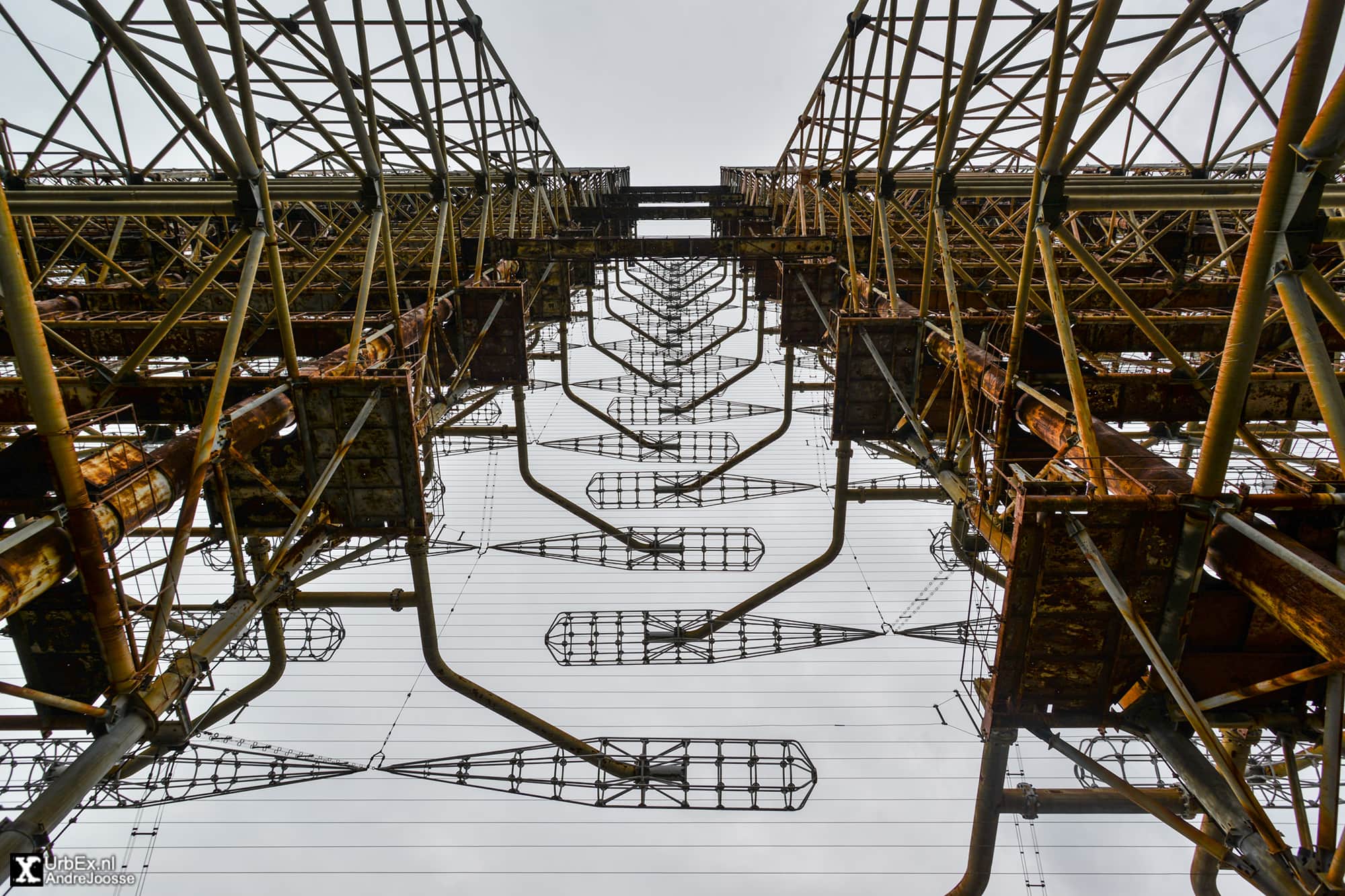
Duga-1 or Steel Yard as the NATO called it. 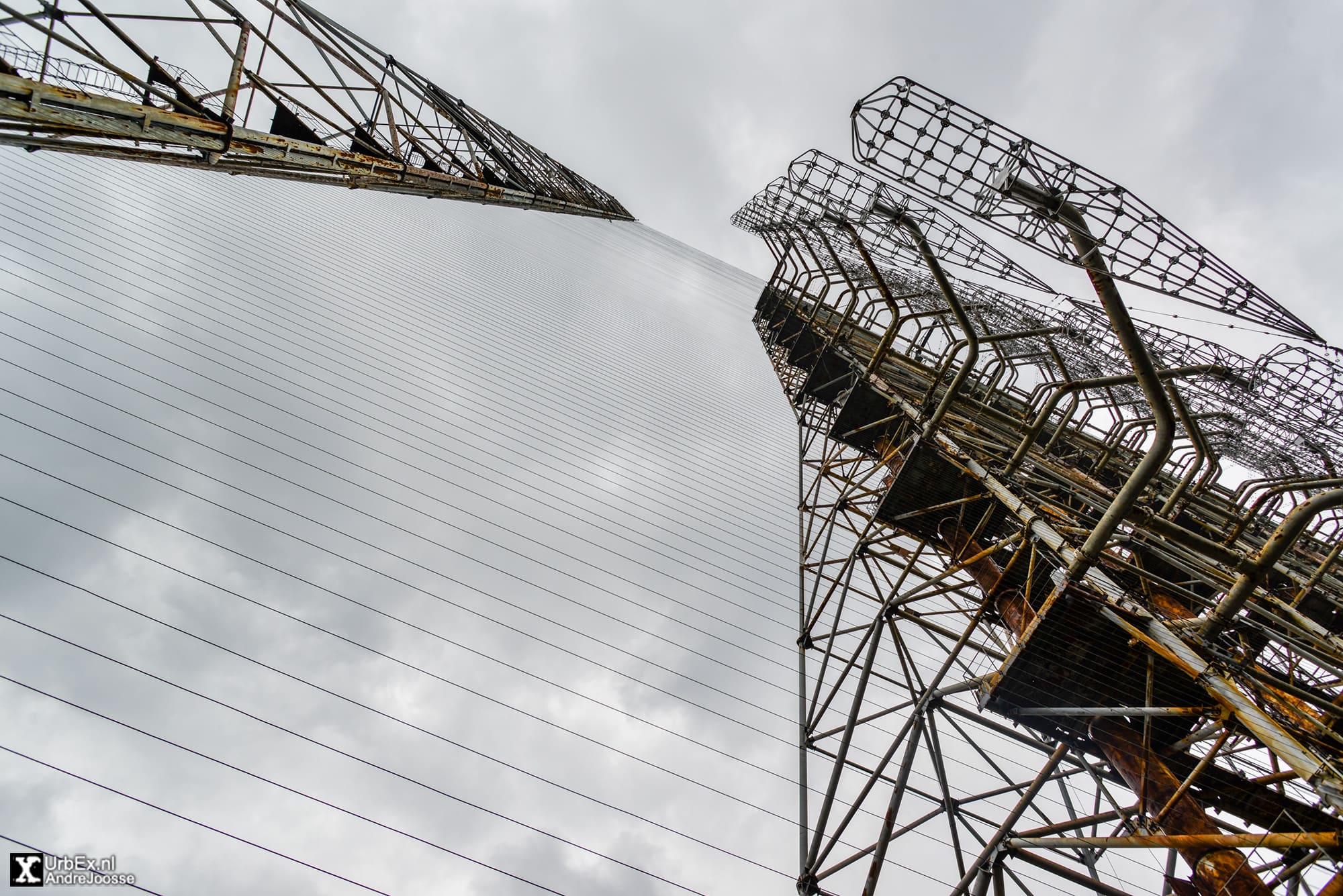

Soviet over-the-horizon radar system Duga-1. 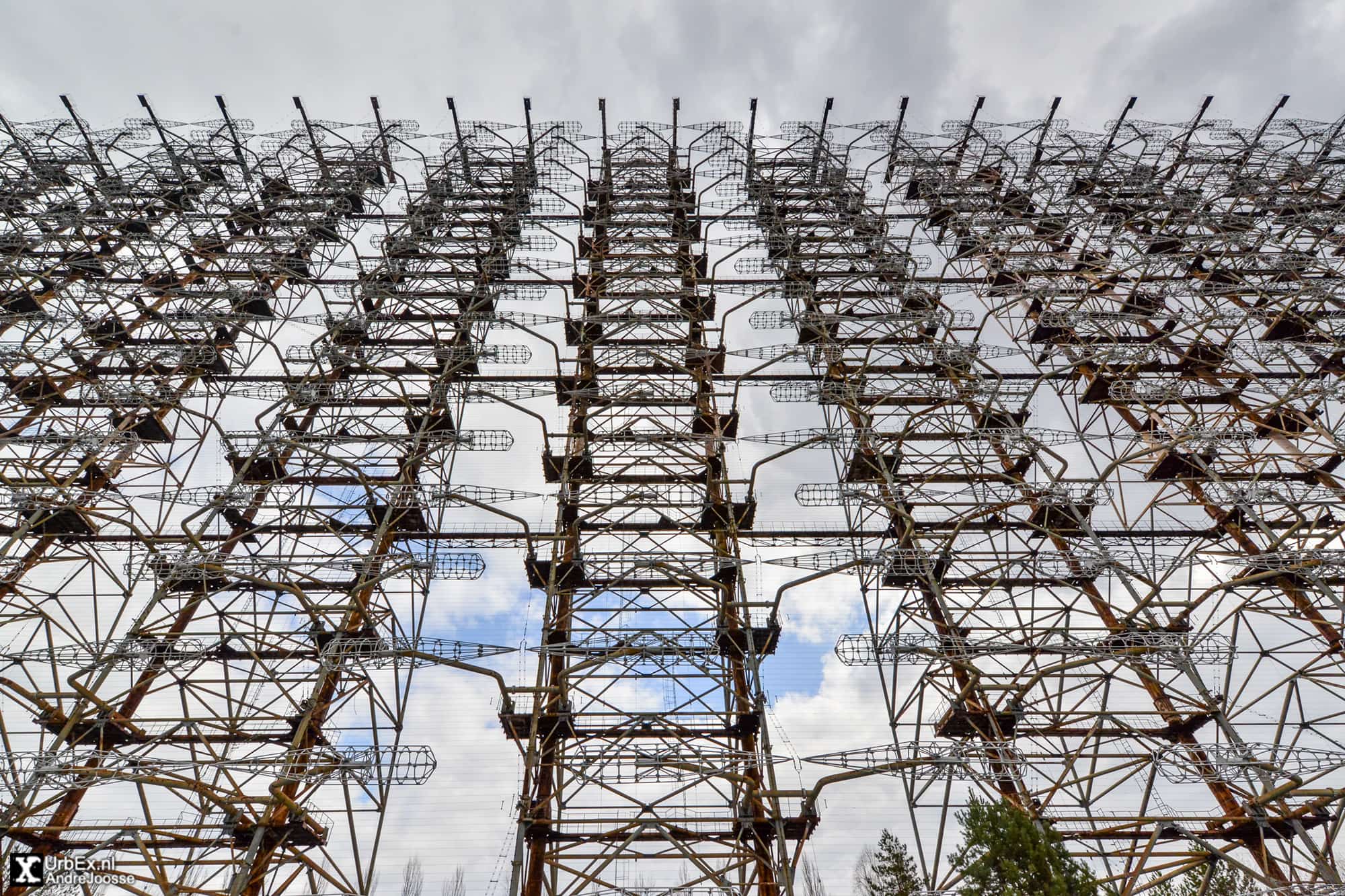
Duga array, or the Arc. 

The Russian Woodpeker. 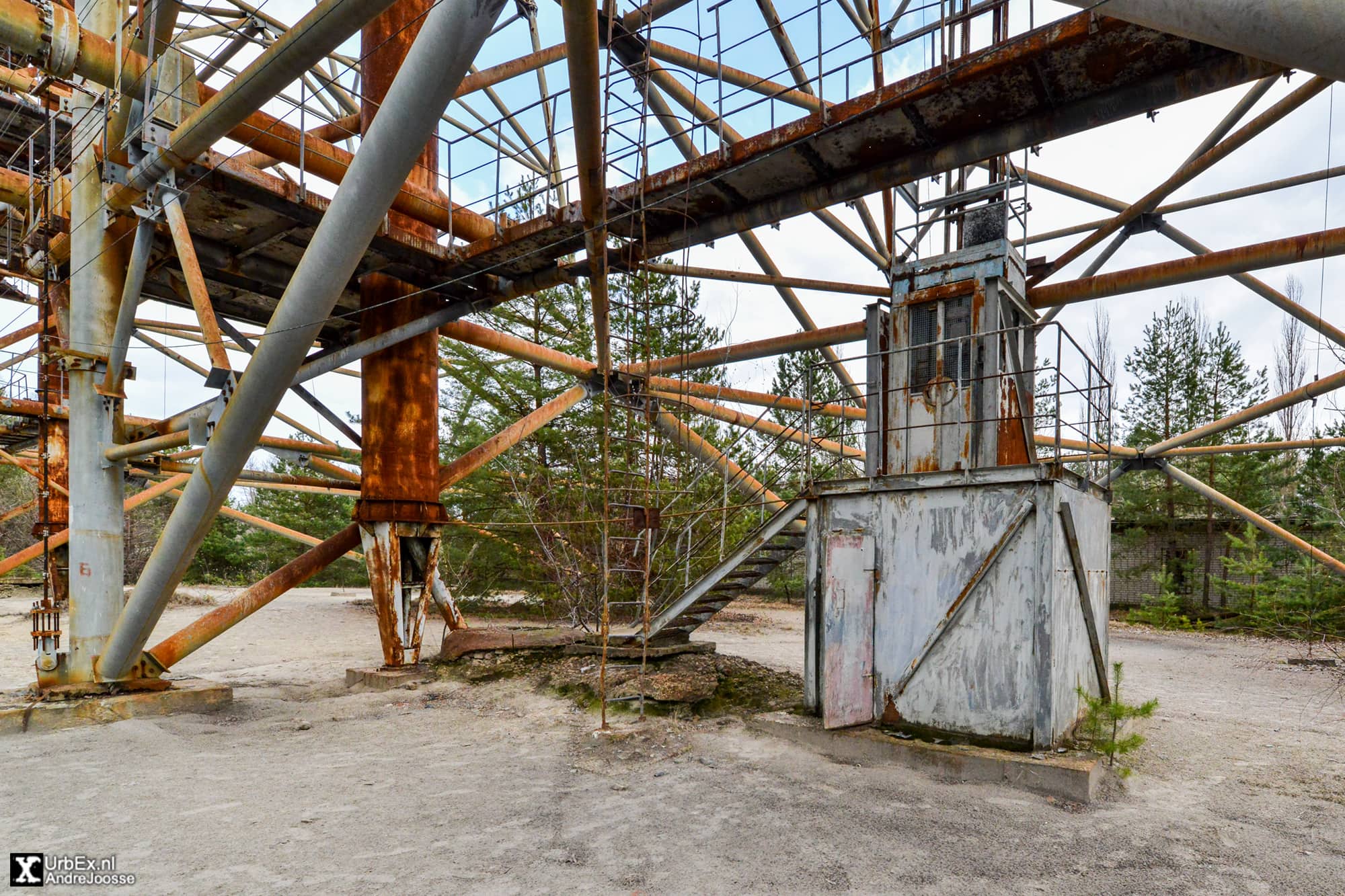
Out of order, this elevator. 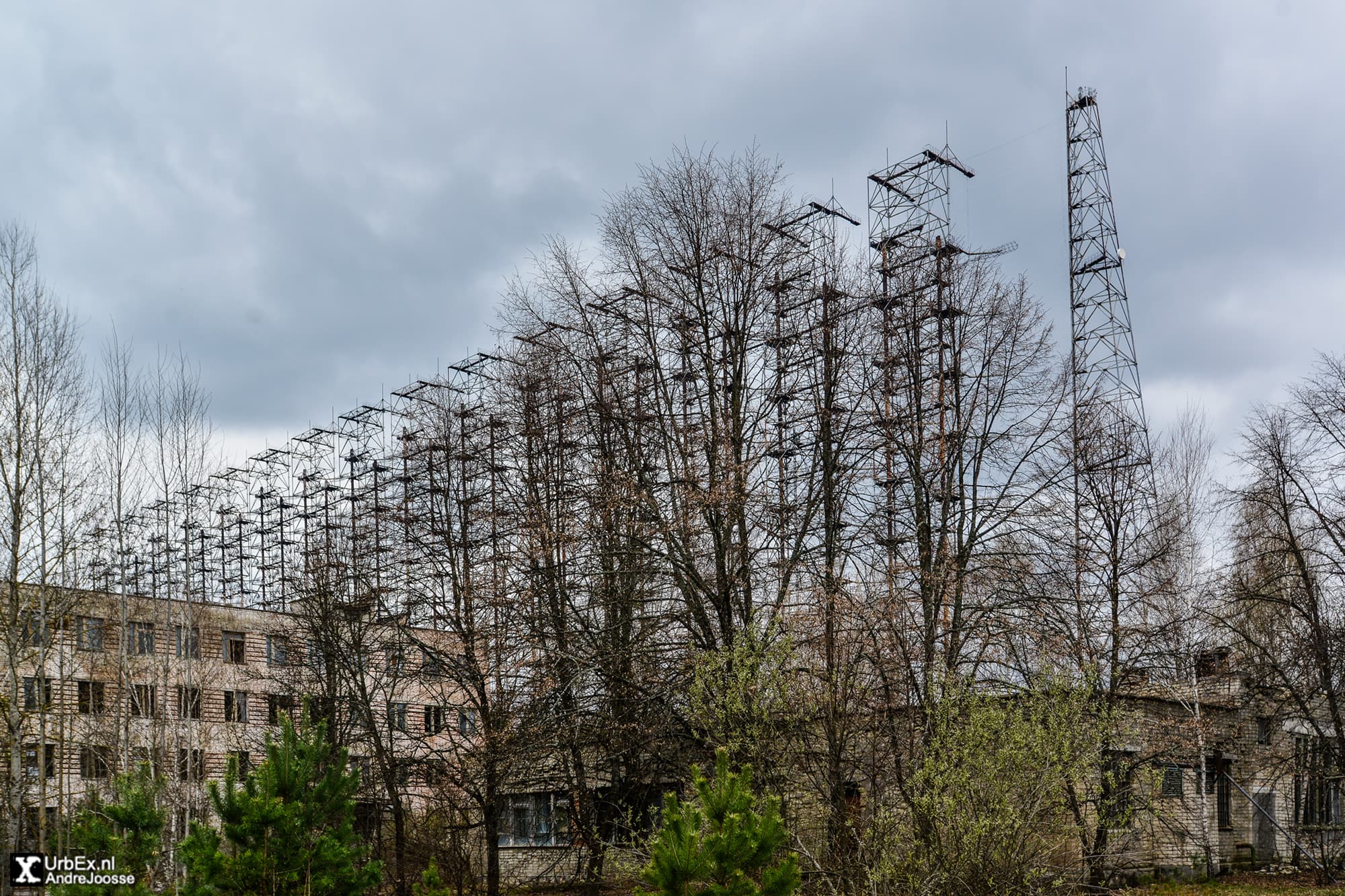
Duga-1 array. 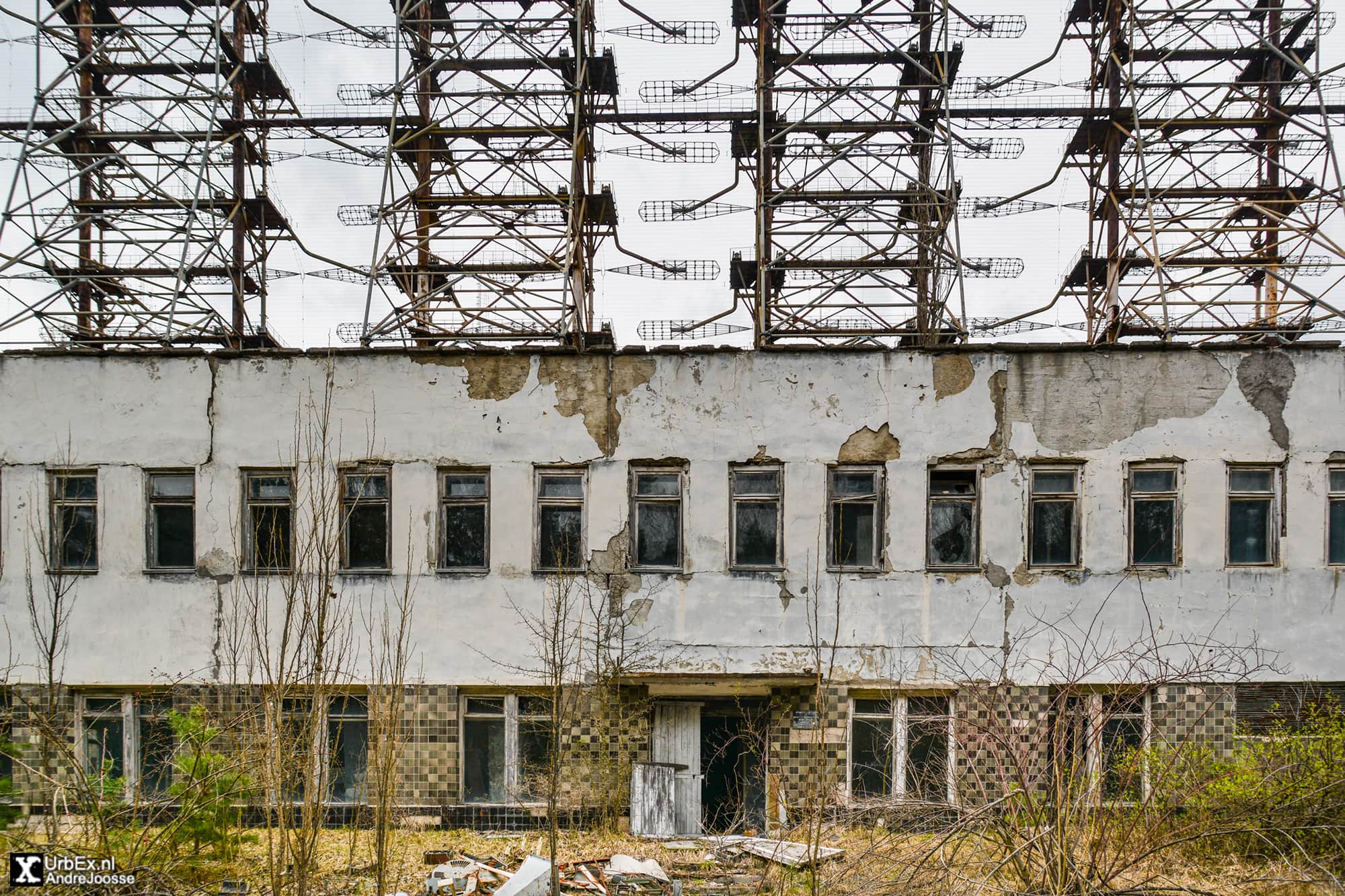
The workshops and the array. 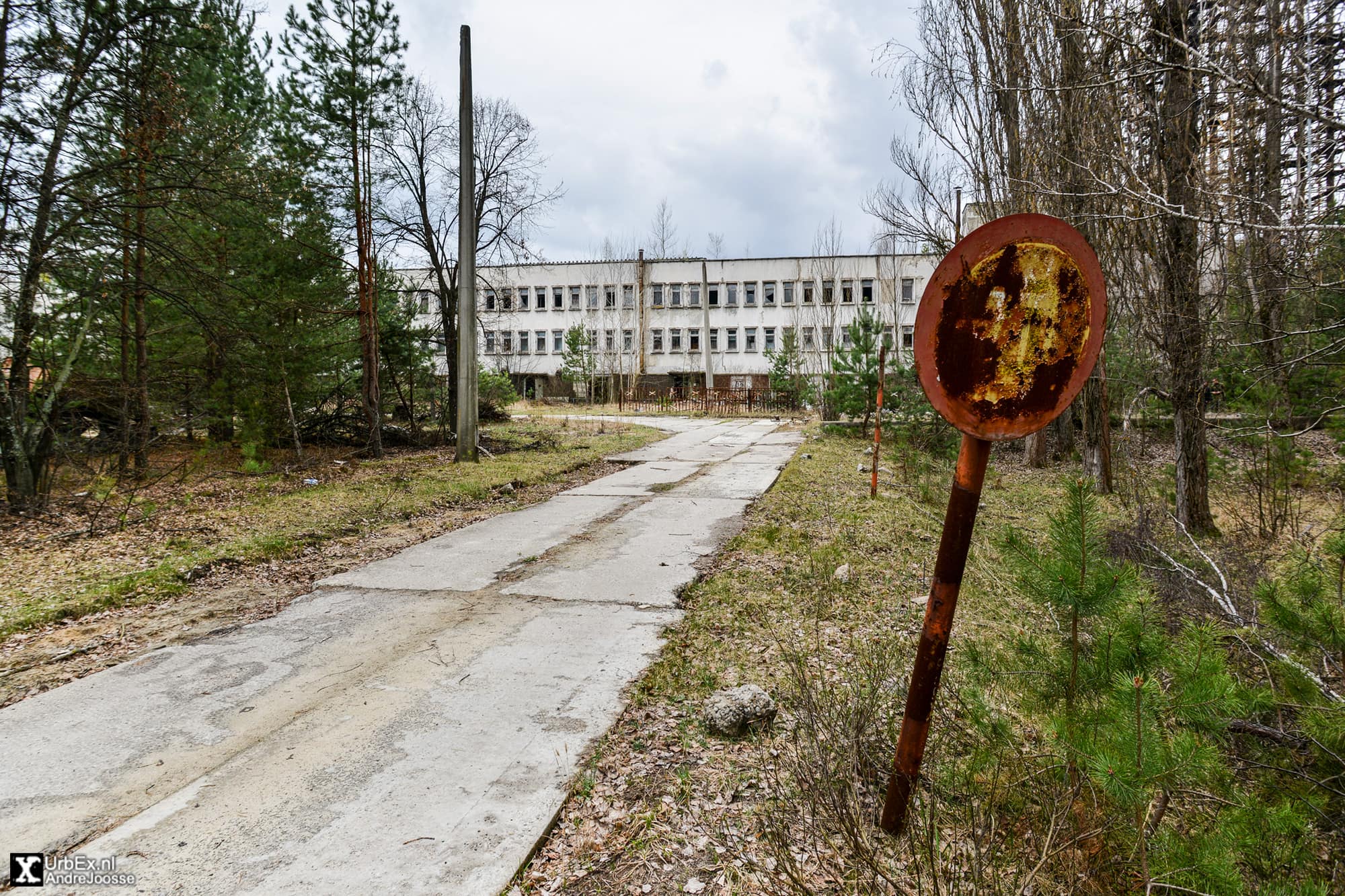
The Duga offices and workshops. 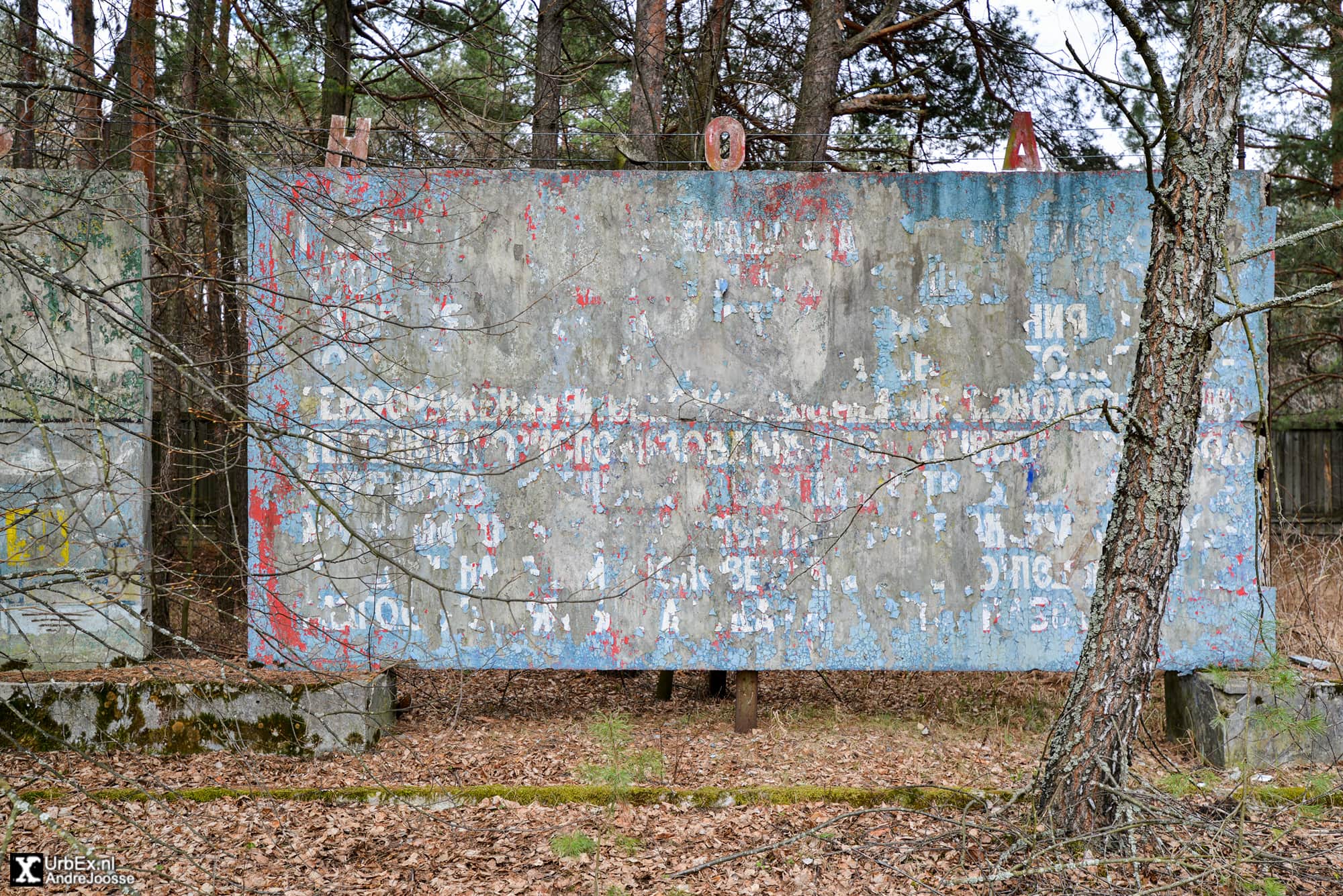
Duga-1. 
Duga Control Room. 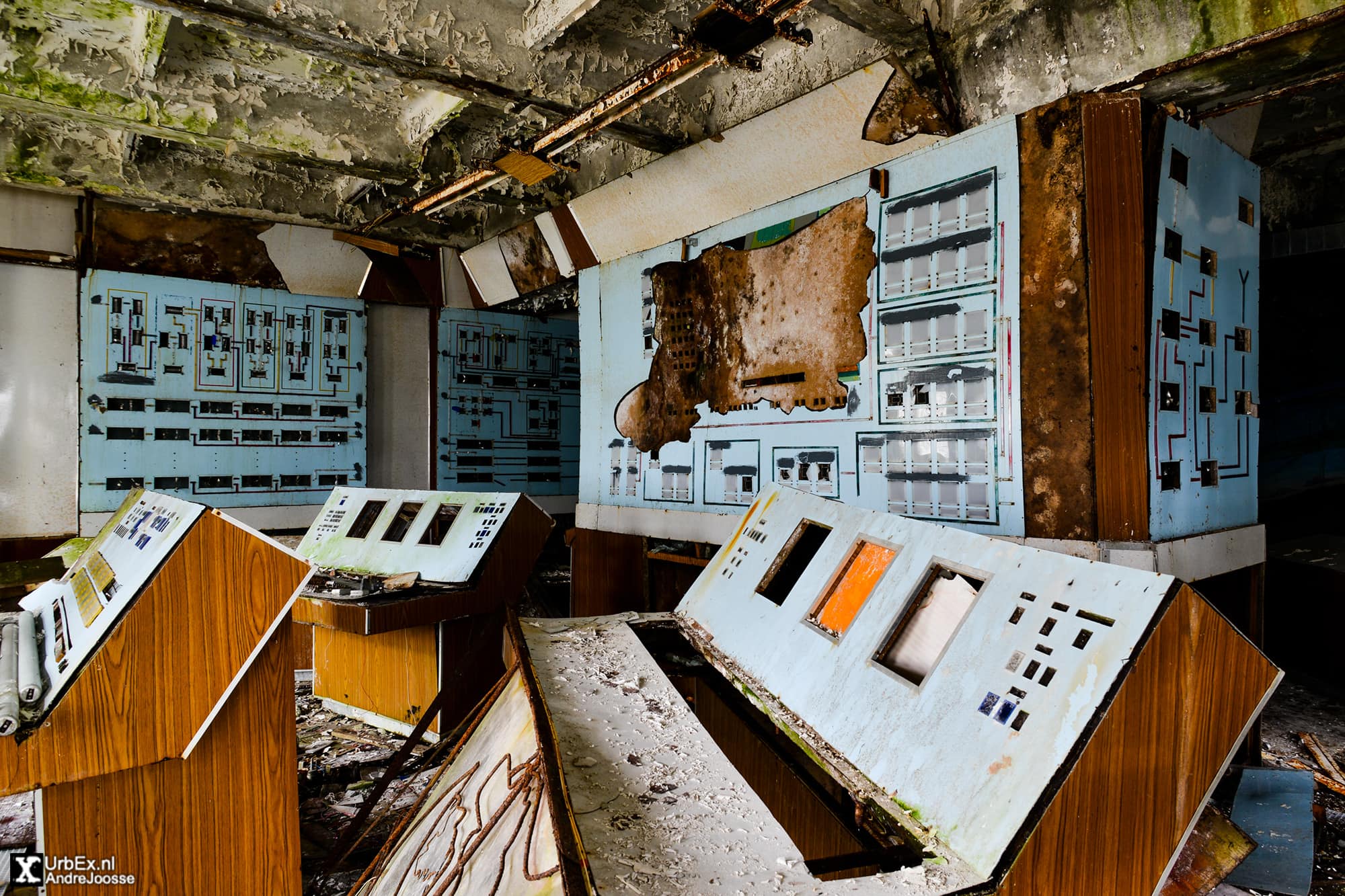
The Control Room. 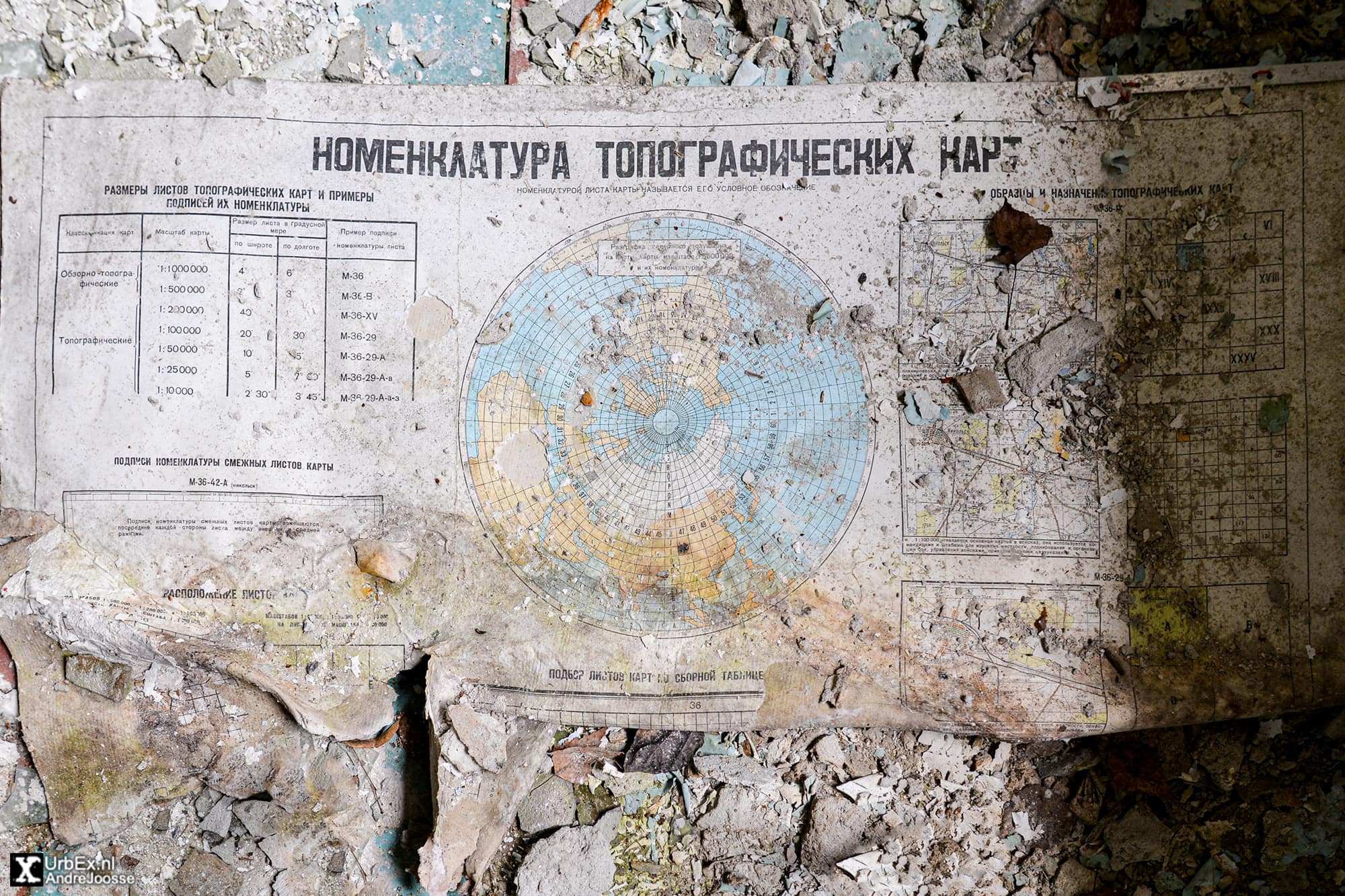
Tопография. 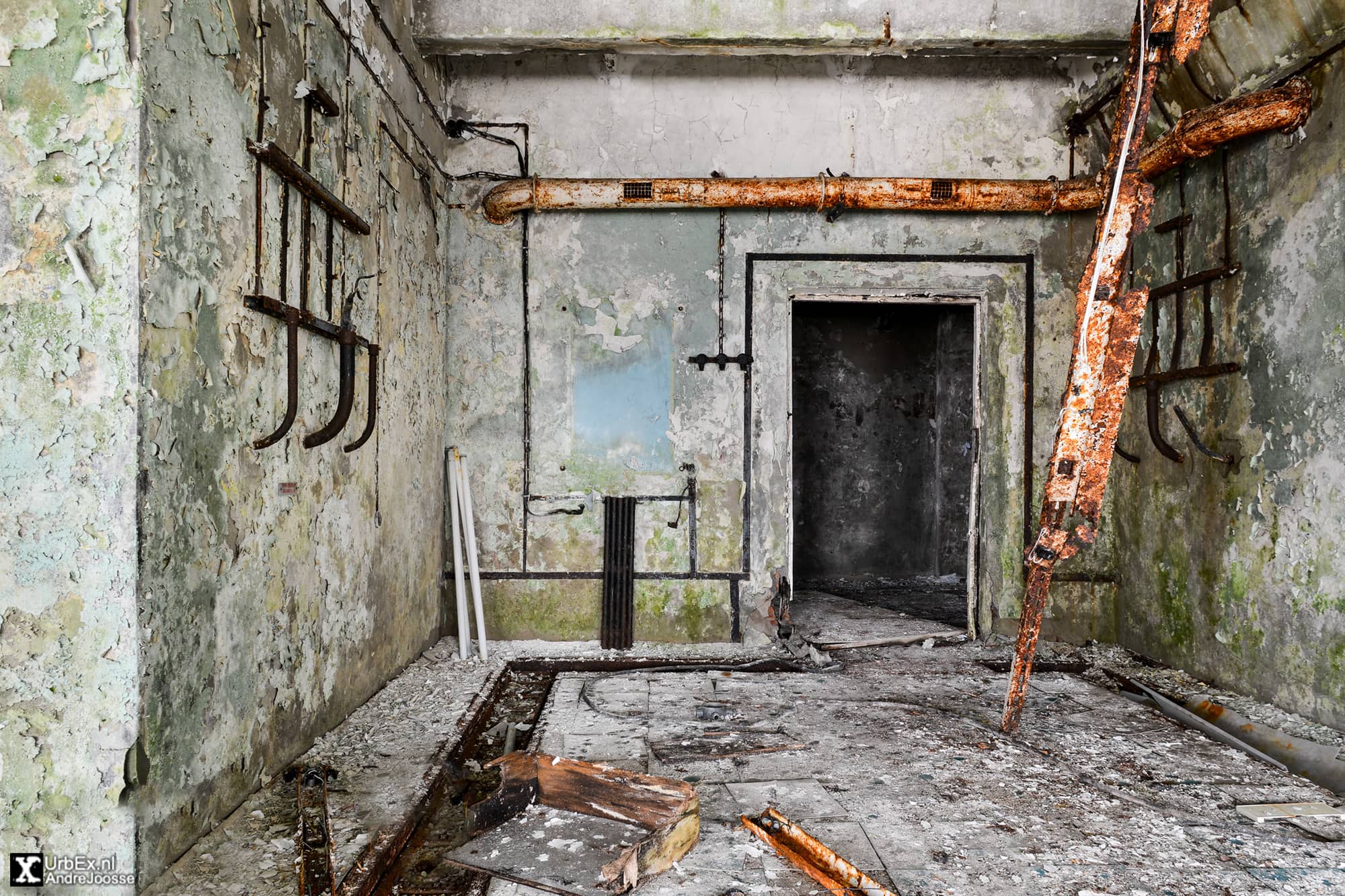
The Duga-1 workshops. 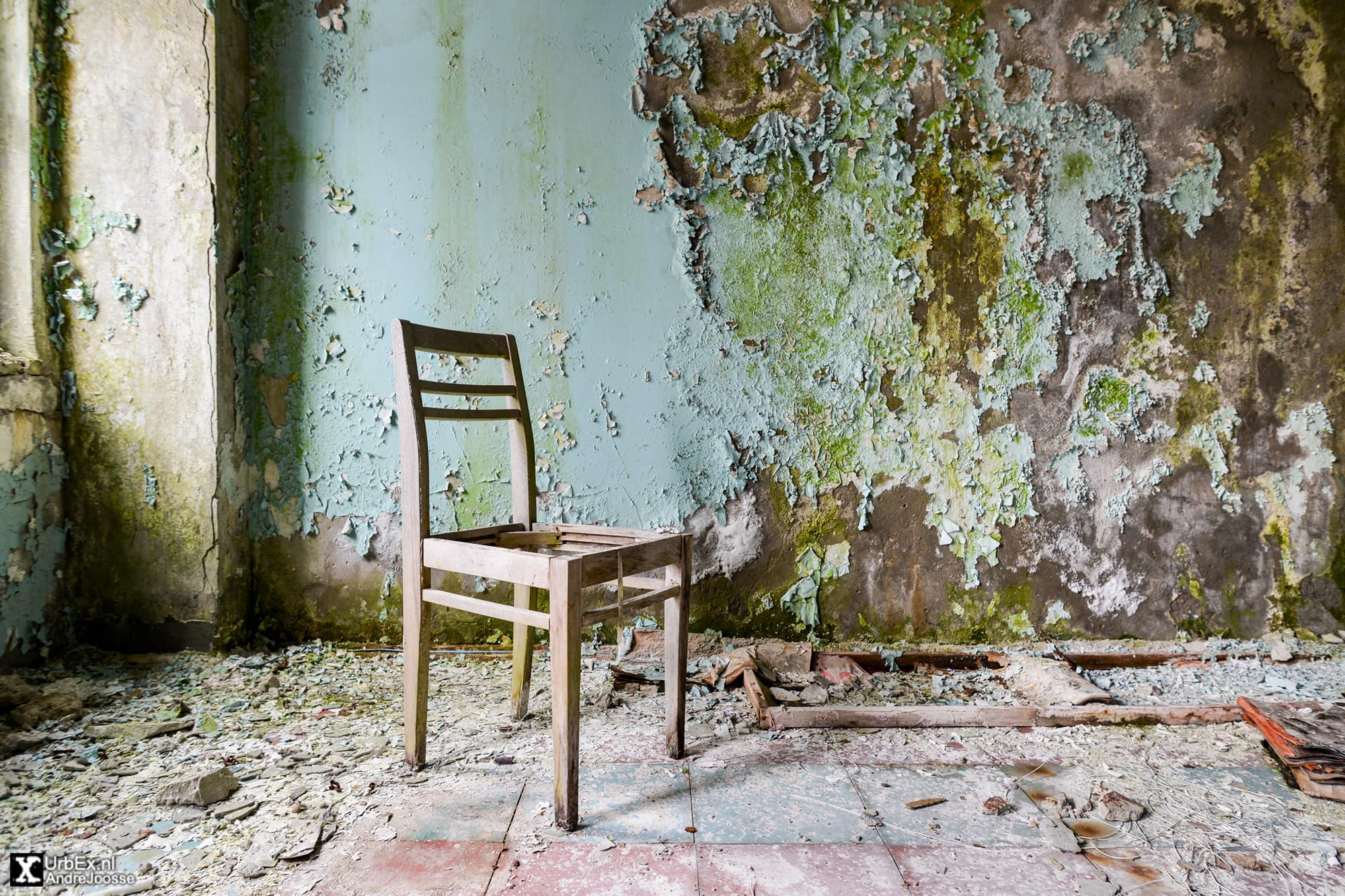
Decay in the workshops. 
Decaying workshop. 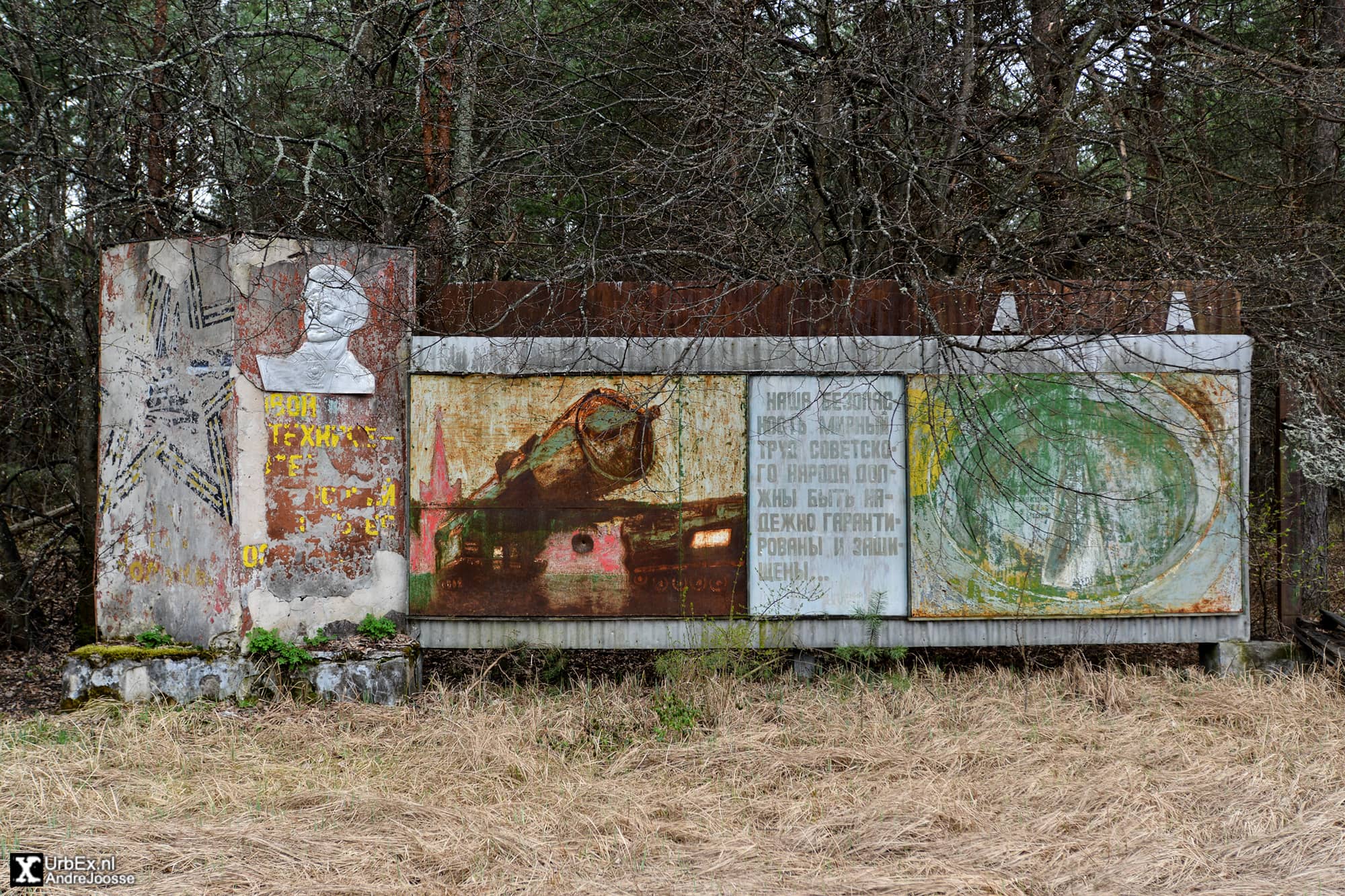
Soviet art. 
Technical room. 
The gass depot. 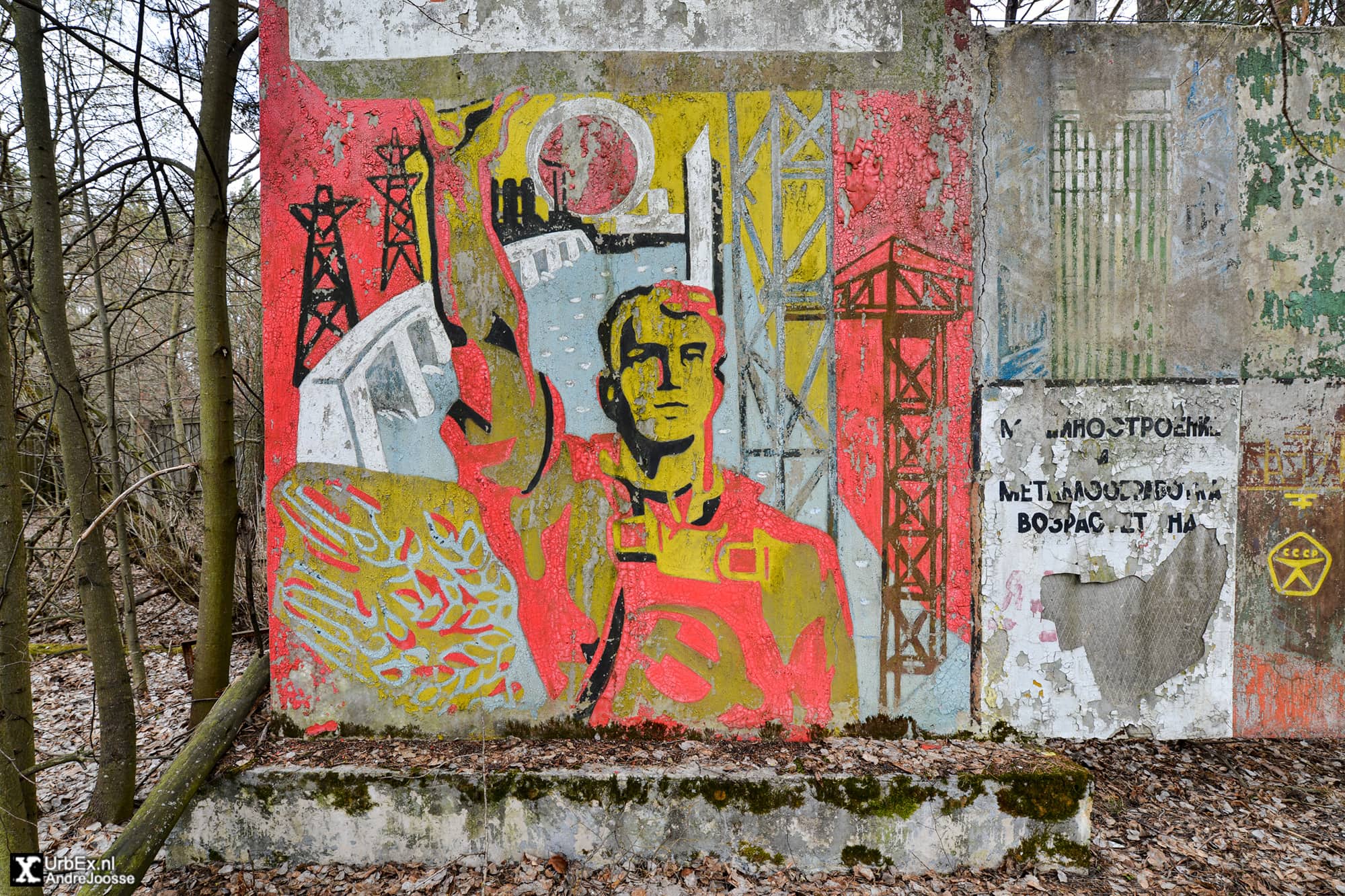
Soviet mural at Duga-1. 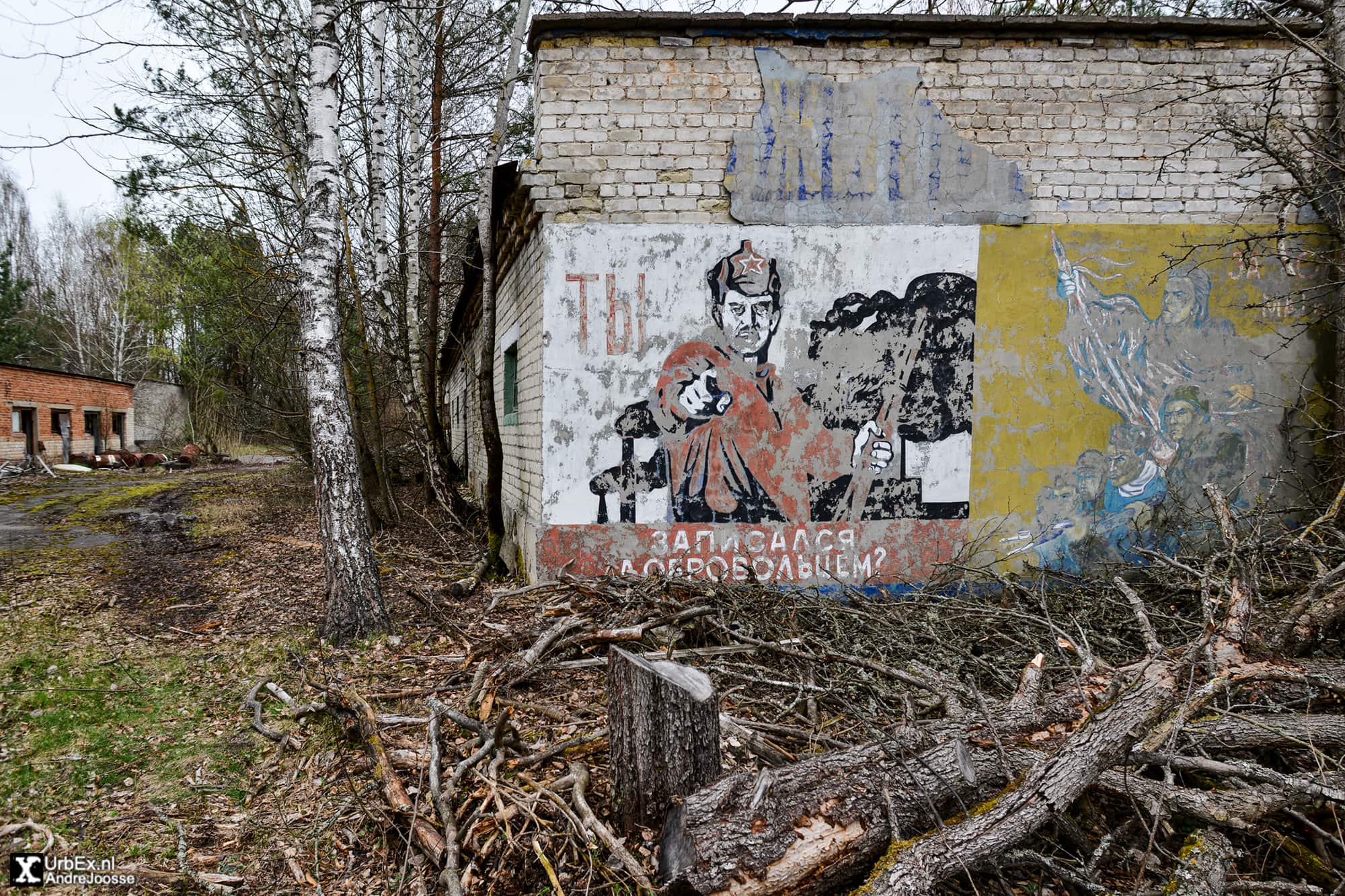
Soviet propaganda mural. 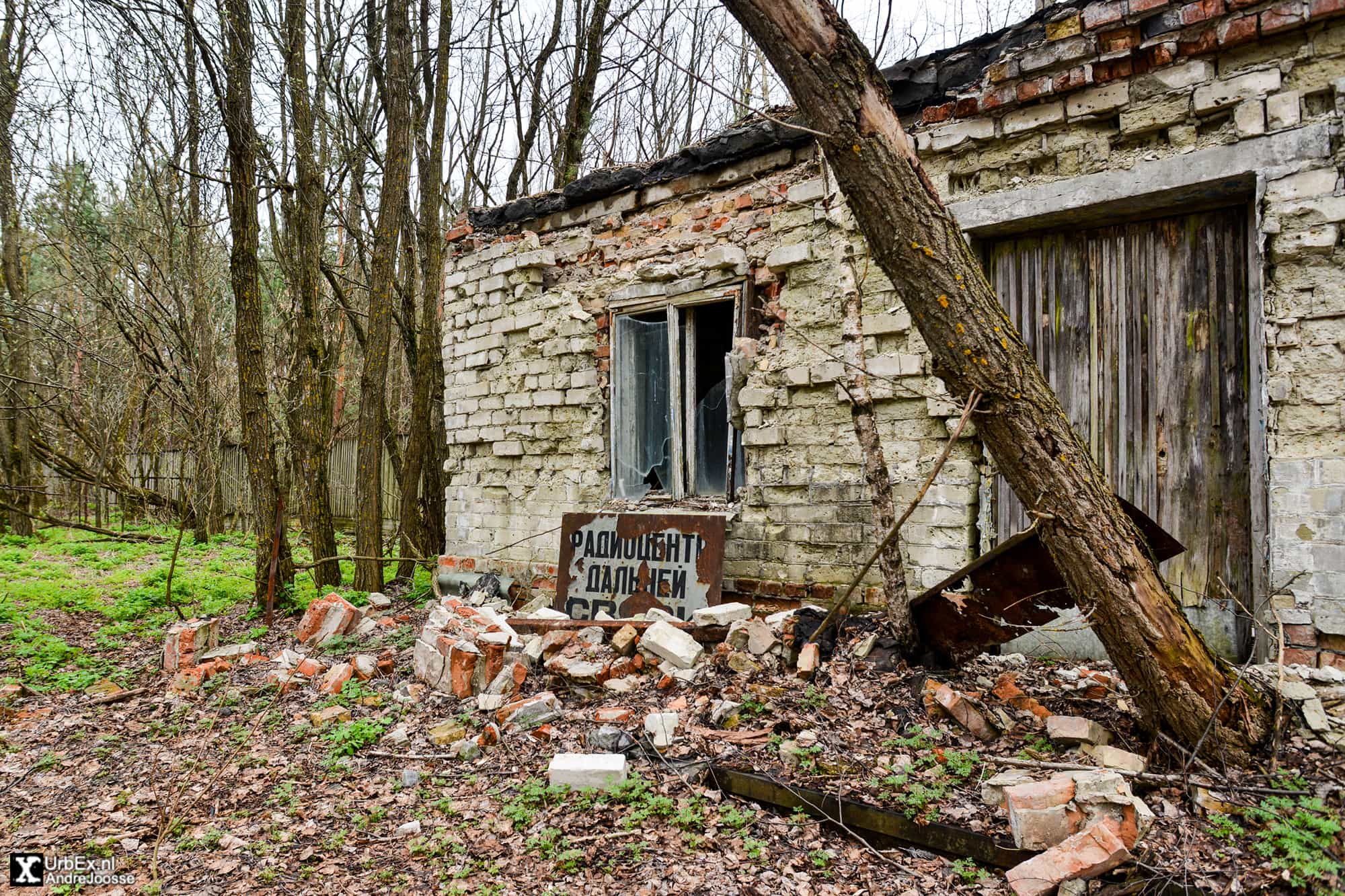
Abandoned Duga-1 site. 
Stop before leaving Duga-1 . 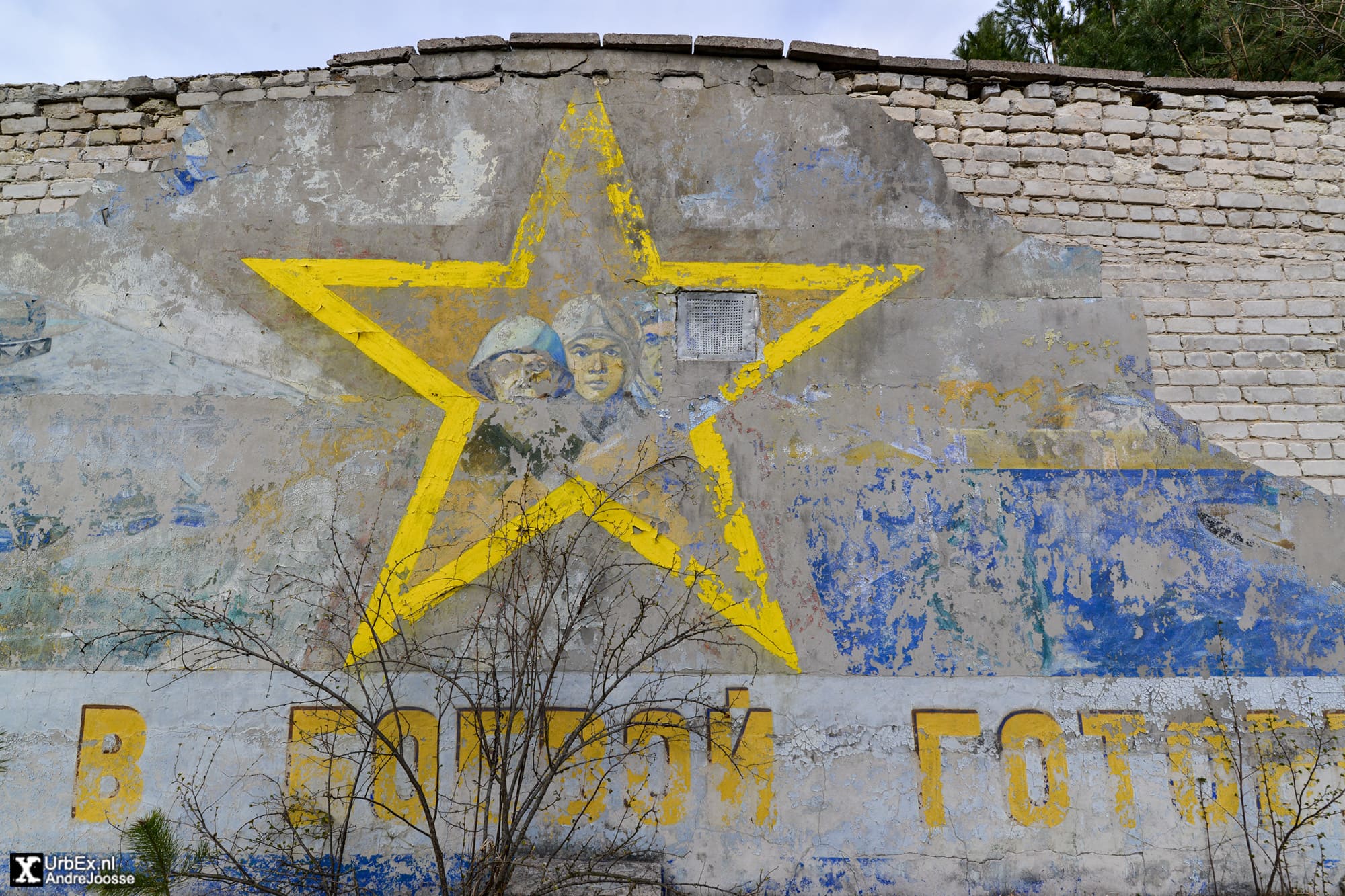
Soviet mural at Duga.