Radek Laboratory Pripyat
лаборатории «Радэк» Припять

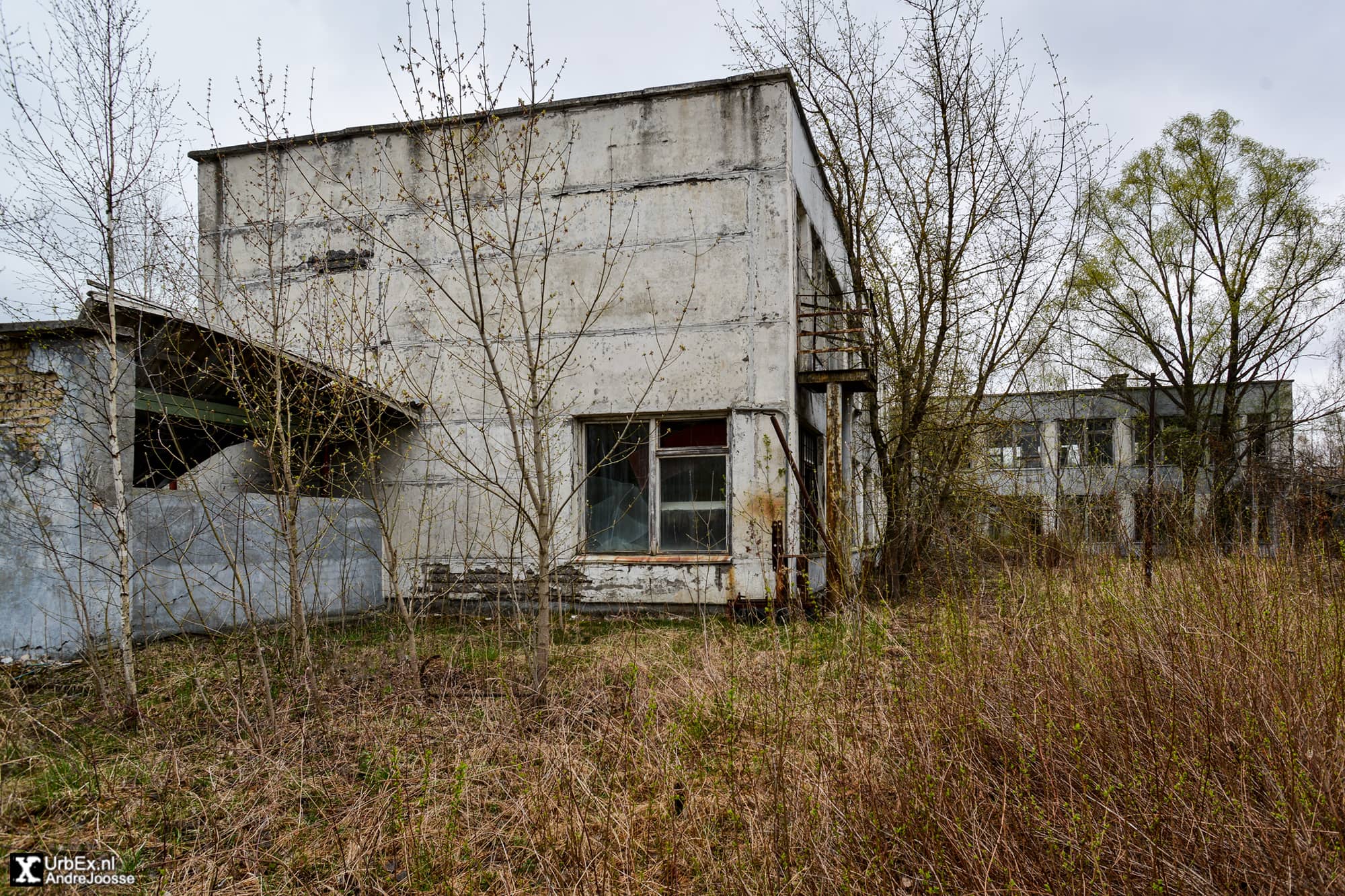
The Radek Laboratory is a unique site in Pripyat that shows how the city’s buildings were repurposed after the 1986 disaster. What was once a place of laughter and play for children became a high-tech center for scientists studying the poisoned earth. This former kindergarten served as a front line for research for over a decade before finally being left to the elements.
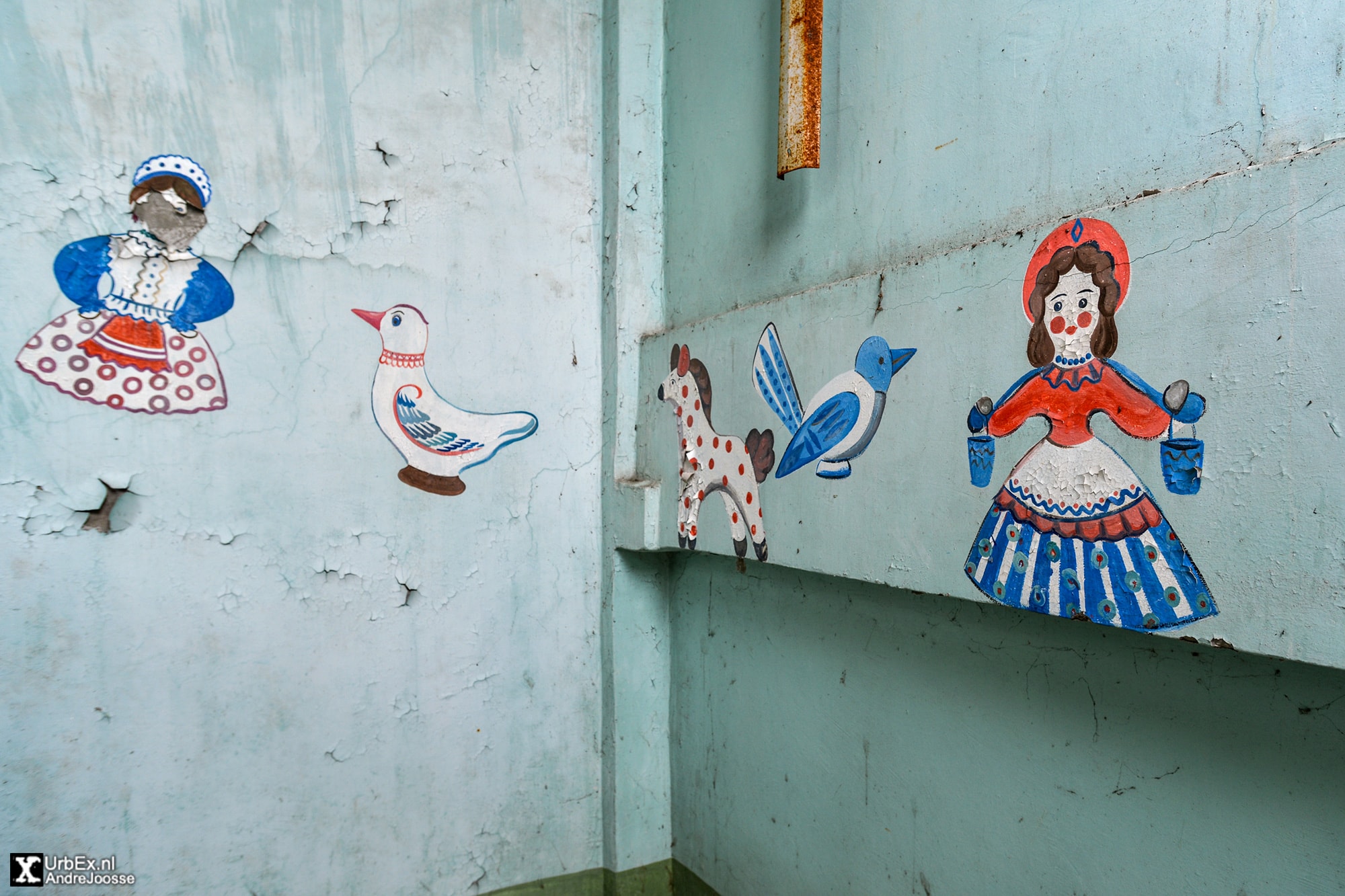
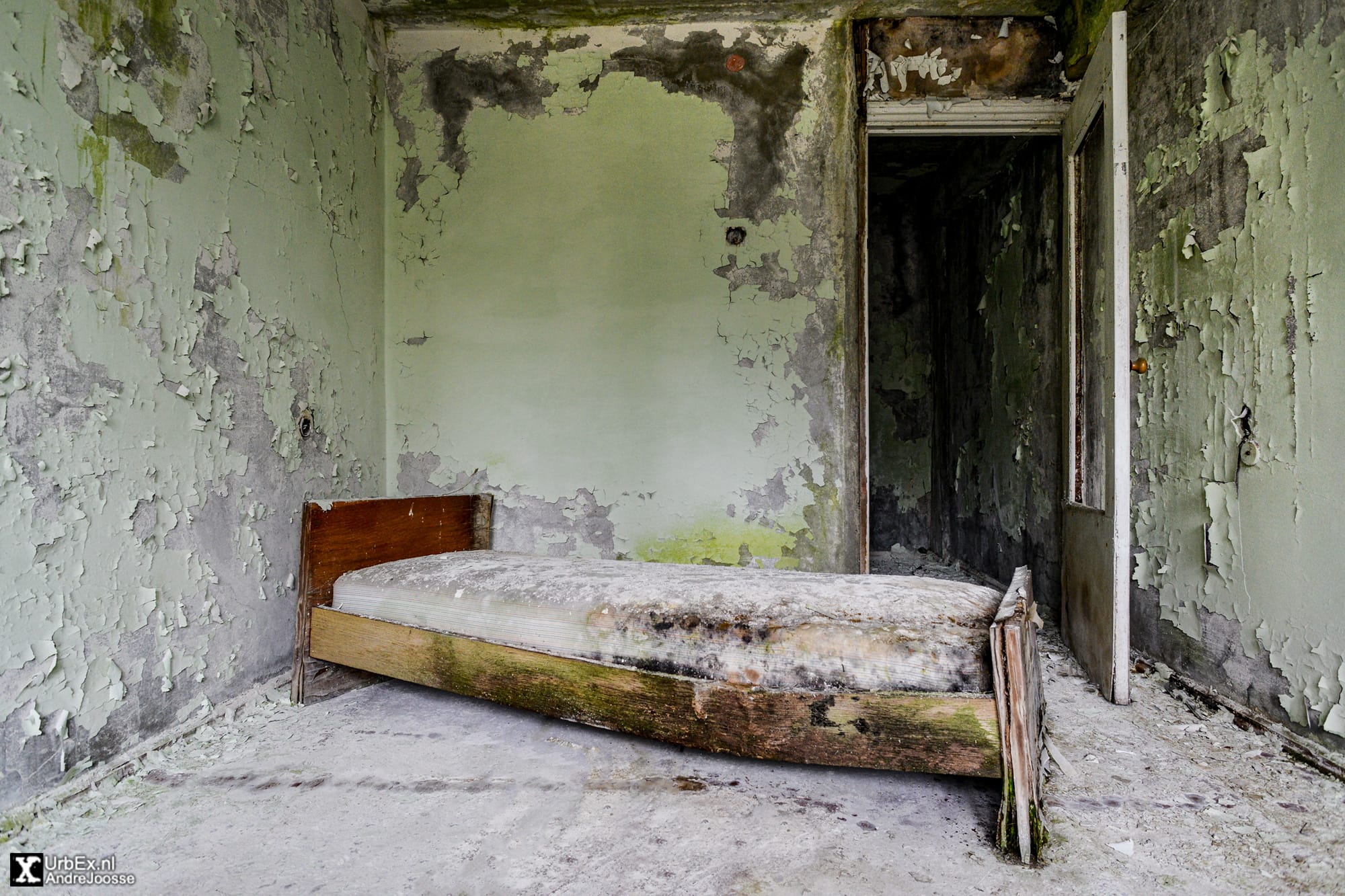
Before the accident, this building was known as “Kindergarten Joy” (or Radost in Russian). It was one of the largest and newest preschools in the city, located on the northern side of Pripyat. It was designed to handle both infants in the nursery and older children preparing for school. While most of the city was abandoned quickly, this building found a new, serious purpose shortly after the evacuation.
The Radek Laboratory
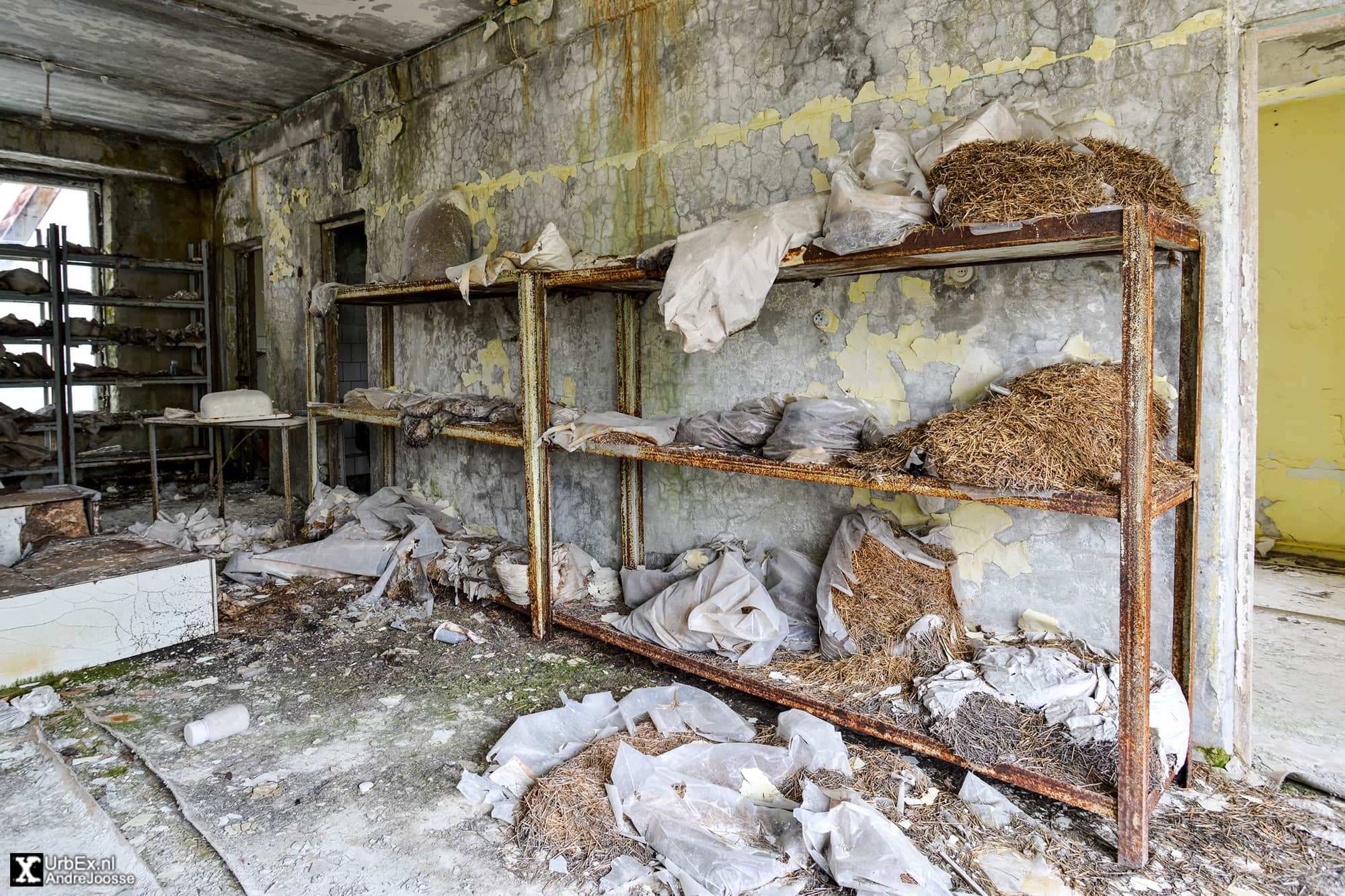
Instead of letting the building crumble, the government turned it into a laboratory for the state-owned enterprise. It is known as GNPP Radek. Because researchers didn’t want to carry radioactive samples outside of the 30-kilometer exclusion zone, they set up five laboratories within Pripyat itself. The old kindergarten was the perfect size for testing. Scientists brought contaminated soil from every corner of the zone. Here they measure radiation levels and see how the isotopes were moving through the ground.
A Library of Earth
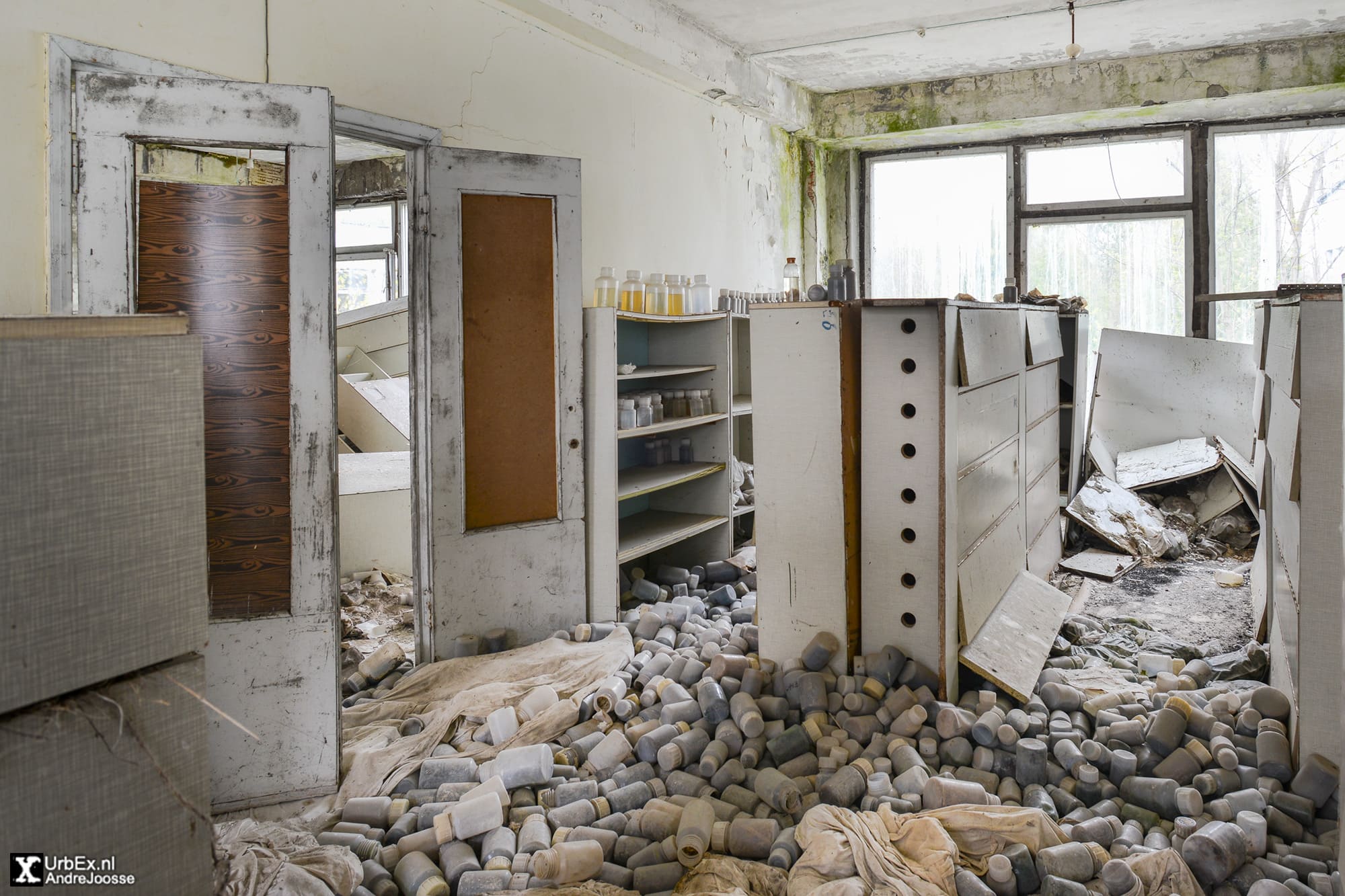
If you were to walk through the building today, you wouldn’t find many toys or beds. Instead, the rooms are filled with thousands of small containers and jars. These contain soil samples collected by liquidators and researchers during the years following the explosion. It acts like a giant library of the disaster. Documenting exactly how much radiation fell on different areas of the forest and nearby villages.
Abandoned for the Second Time
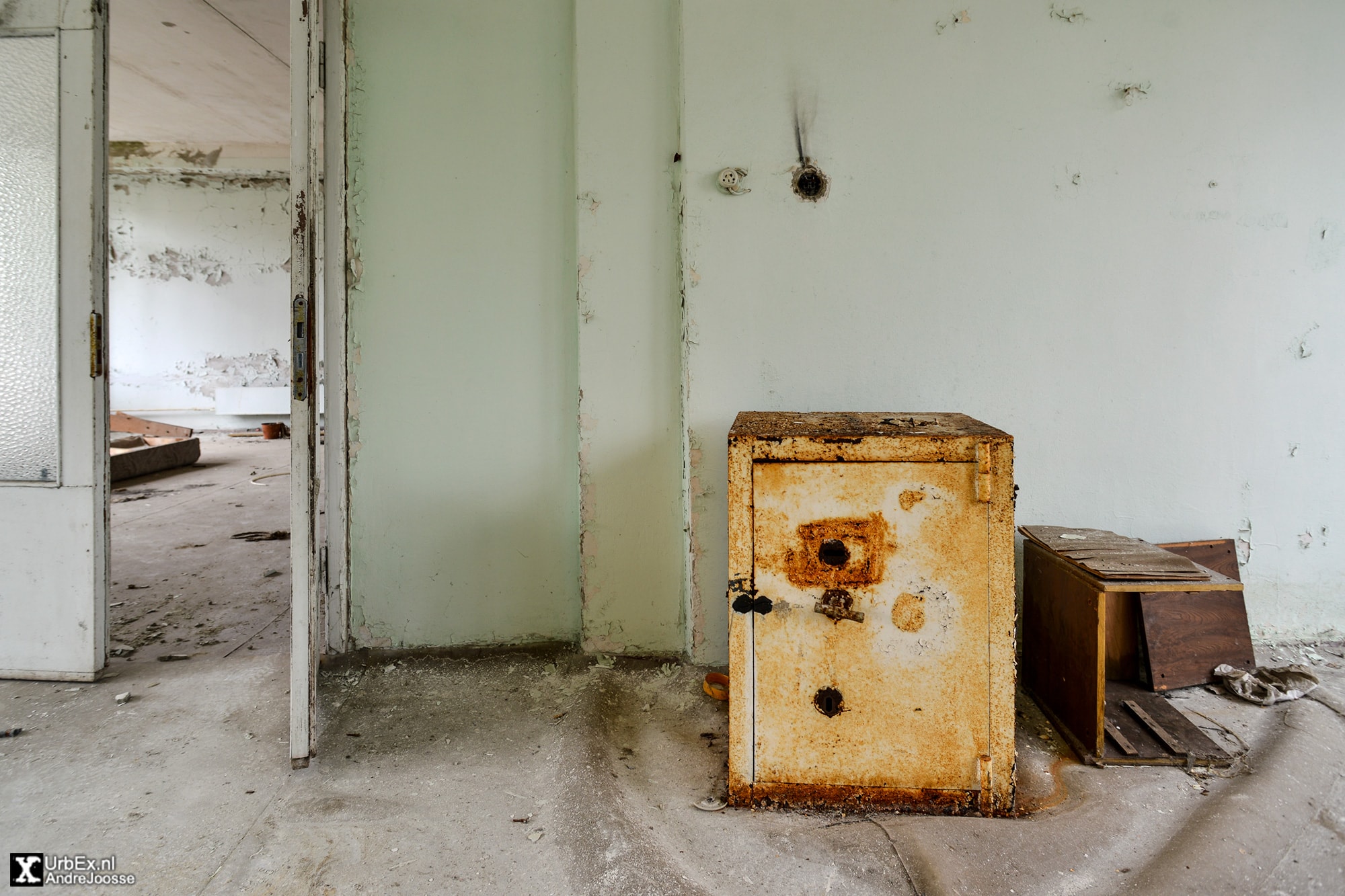
The Radek Laboratory remained active long after most people had forgotten about Pripyat. Scientists worked in these halls until 1998, twelve years after the nuclear accident. When the funding finally stopped and the research goals were met, the building was abandoned for a second time. Today, the glass beakers and soil samples are still there, sitting on shelves in the quiet, dusty classrooms where children once played.
The thousands of soil samples left inside the Radek Laboratory remain as a scientific record of the day the earth changed forever.